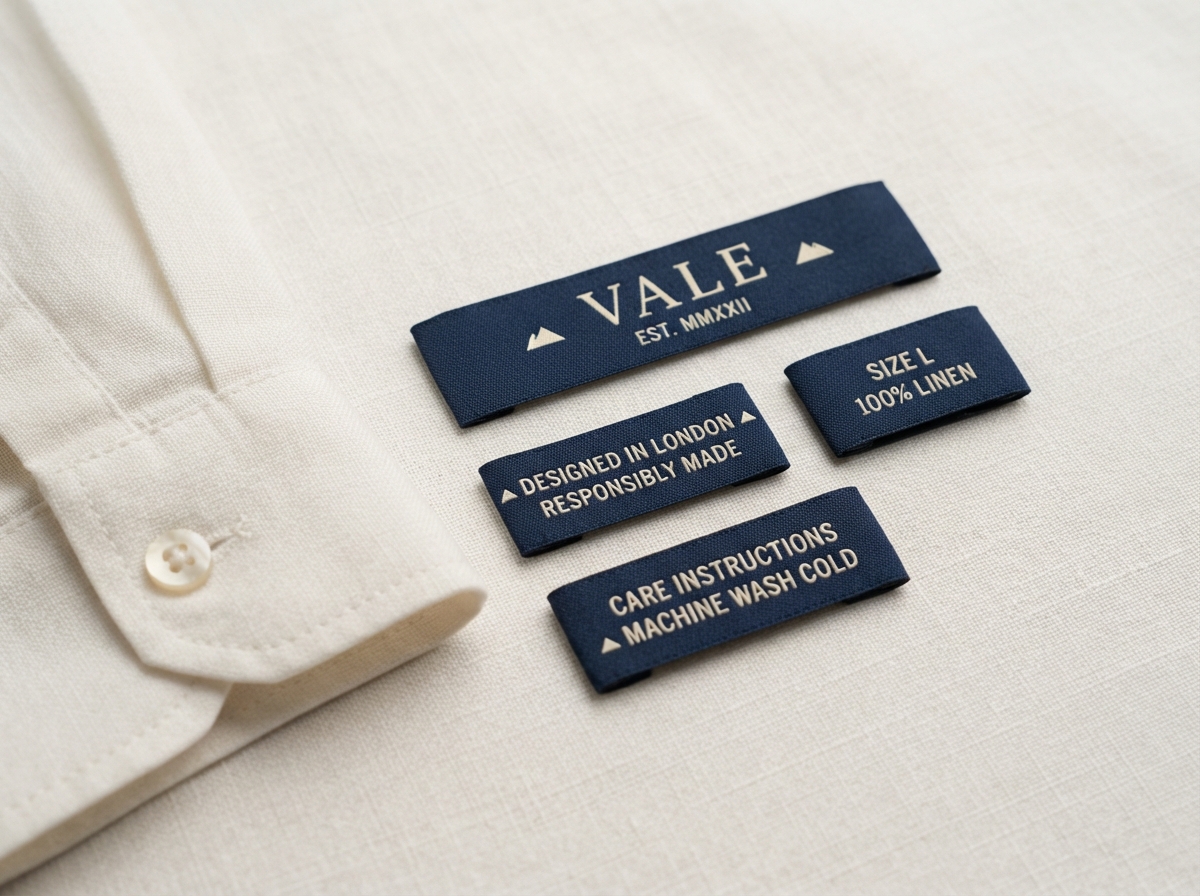
Choosing high-quality eco-friendly recycled polyester woven labels serves as a foundational step for any modern apparel brand. As consumer awareness grows regarding material origins, brands prioritize sustainable components throughout their supply chains.
Sustainability experts often highlight how small shifts in production significantly impact long-term environmental footprints. By selecting materials that divert waste from landfills, designers create value beyond the finished garment. These labels offer the same durability and professional aesthetic as traditional options, ensuring your brand maintains its standards while supporting circular manufacturing practices.
Why Brands Adopt Sustainable Labeling
Modern consumers demand transparency and responsibility from their favorite labels. Industry organizations like Textile Exchange provide essential frameworks for brands to understand the lifecycle of preferred materials. Incorporating recycled content into your trims acts as a tangible sign of this commitment.
Unlike virgin synthetic fibers, recycled polyester requires significantly less energy and fewer resources during production. It transforms post-consumer plastic bottles into high-performance threads. Furthermore, these materials withstand repeated washing cycles, keeping branding crisp for the life of the garment. This durability builds trust, as customers perceive longevity as a hallmark of quality craftsmanship.
Eco-friendly Recycled Polyester Woven Labels: The Technical Advantage

Designers often wonder if recycled fibers sacrifice aesthetic appeal for environmental gains. In reality, modern weaving technology makes the difference between recycled and virgin polyester virtually indistinguishable. You receive the same fine damask jacquard clarity while reducing your dependence on petroleum-based inputs.
The production process utilizes advanced mechanical or chemical recycling techniques to ensure fiber integrity. Consequently, the resulting thread remains strong, colorfast, and soft against the skin. This ensures your branding remains comfortable for the wearer, preventing irritation during daily use. By utilizing these materials, you align your brand with global standards like those promoted by OEKO-TEX STANDARD 100, which tests textiles for harmful substances to ensure safety.
Integrating Sustainable Trims into Your Design Process
Transitioning your supply chain involves thoughtful planning and coordination with your manufacturers. Start by auditing your current trim requirements to identify where sustainable alternatives provide the most impact. Many designers begin by replacing neck labels or exterior hem tags, as these items feature prominently in the customer experience.
You should view your labels as an extension of your brand story. When you communicate the switch to recycled materials, you engage your audience directly. This transparency fosters loyalty and justifies the investment in high-quality components. At HiLabels, we emphasize that consistent branding helps small businesses grow, a strategy frequently discussed in the Etsy Seller Handbook for independent creators.
Common Questions About Sustainable Woven Labels
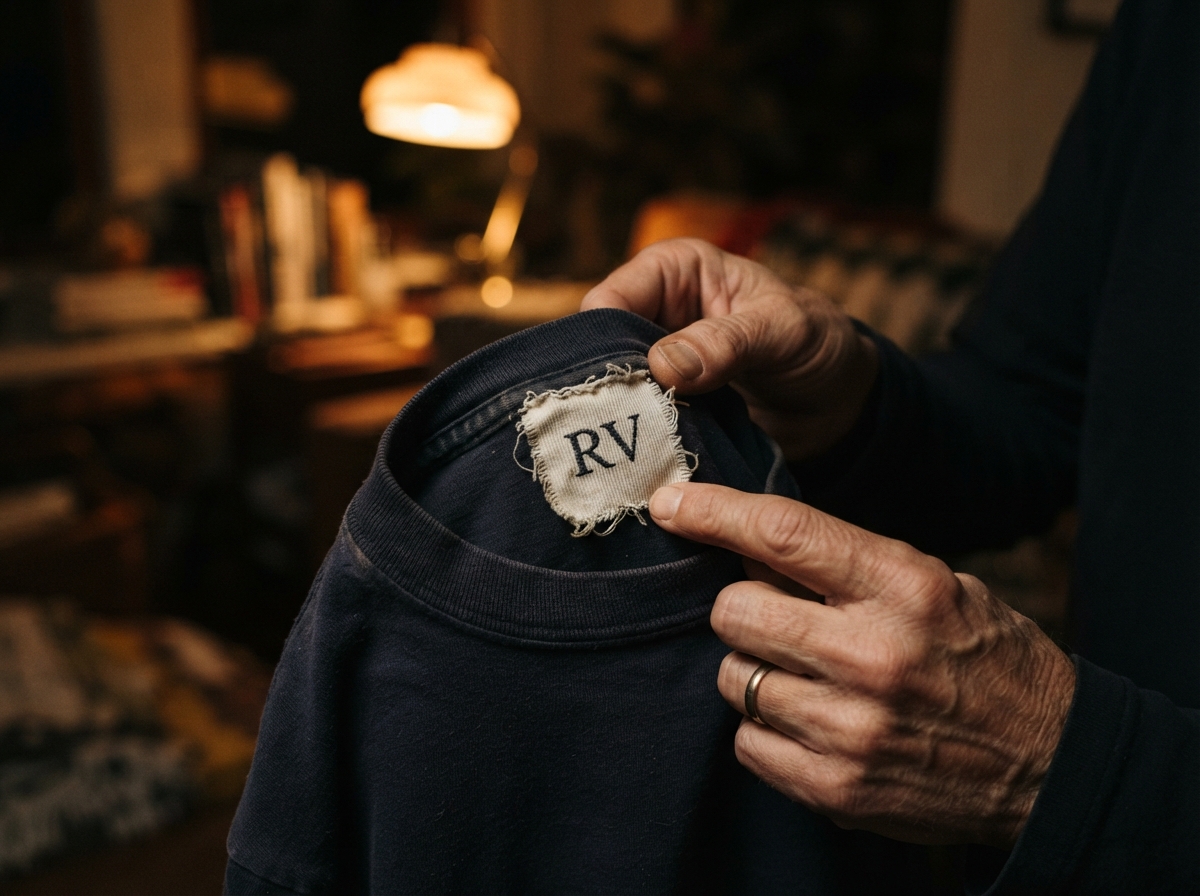
Frequently, our partners ask about the lead times and design limitations of these materials. Because the weaving process functions similarly to standard polyester, you retain full creative freedom over your logos and color palettes. We recommend reviewing your project timeline early to ensure optimal production scheduling.
Another common query concerns the cost compared to traditional options. While recycled fibers may have a slight price premium due to the processing involved, the long-term brand equity often outweighs these initial costs. Many brands find that their customers appreciate the initiative, which leads to higher retention and improved word-of-mouth marketing.
Frequently Asked Questions
Are recycled polyester labels as durable as standard ones? Yes, they match the strength and longevity of conventional polyester, ensuring your branding stays intact after multiple washes.
Can I use complex designs on recycled materials? Absolutely, as the weaving process allows for intricate patterns and precise text reproduction consistent with traditional damask quality.
Do these labels feel different to the touch? They feel soft and professional, making them perfect for direct contact with the skin in neck or side-seam applications.
How do I start an order for these labels? You can explore our customization options and begin your project by visiting https://hilabels.com to discuss your specific design requirements with our team.
Investing in your brand means paying attention to every detail, from the largest fabric panels to the smallest woven details. Make your choice count today.


