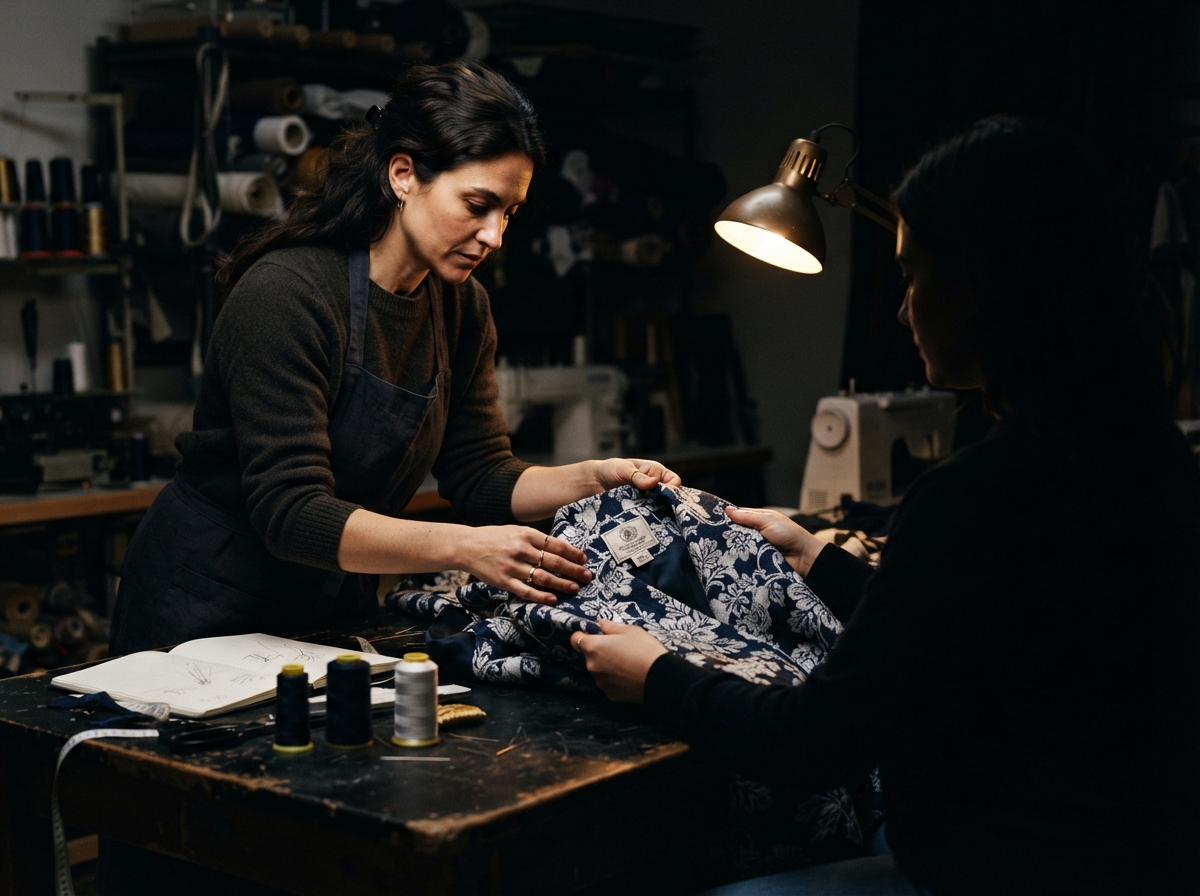
Adding a custom woven ribbon to your handmade goods provides a professional touch that immediately elevates the perceived value of your work. Many makers overlook this versatile trim, yet it serves as both a functional component and a subtle branding tool. When you integrate high-quality trims into your designs, you signal to your customers that you care about every detail, from the structural seams to the finishing touches.
Why Custom Ribbon Matters for Small Brands
Designers often choose trims based purely on aesthetic appeal, but material durability matters just as much. A well-crafted woven ribbon holds its shape through repeated washing and wear. Furthermore, it offers a tactile experience that printed alternatives simply cannot replicate. High-end textiles rely on the depth and texture created by the weaving process. If you want to ensure your branding remains intact, focus on the weave density and color fastness. You should also consult the international standards for textile care to ensure any attached components survive standard laundry cycles. By prioritizing these elements, you build trust with your audience through long-lasting quality.
Creative Design Styles for Your Business
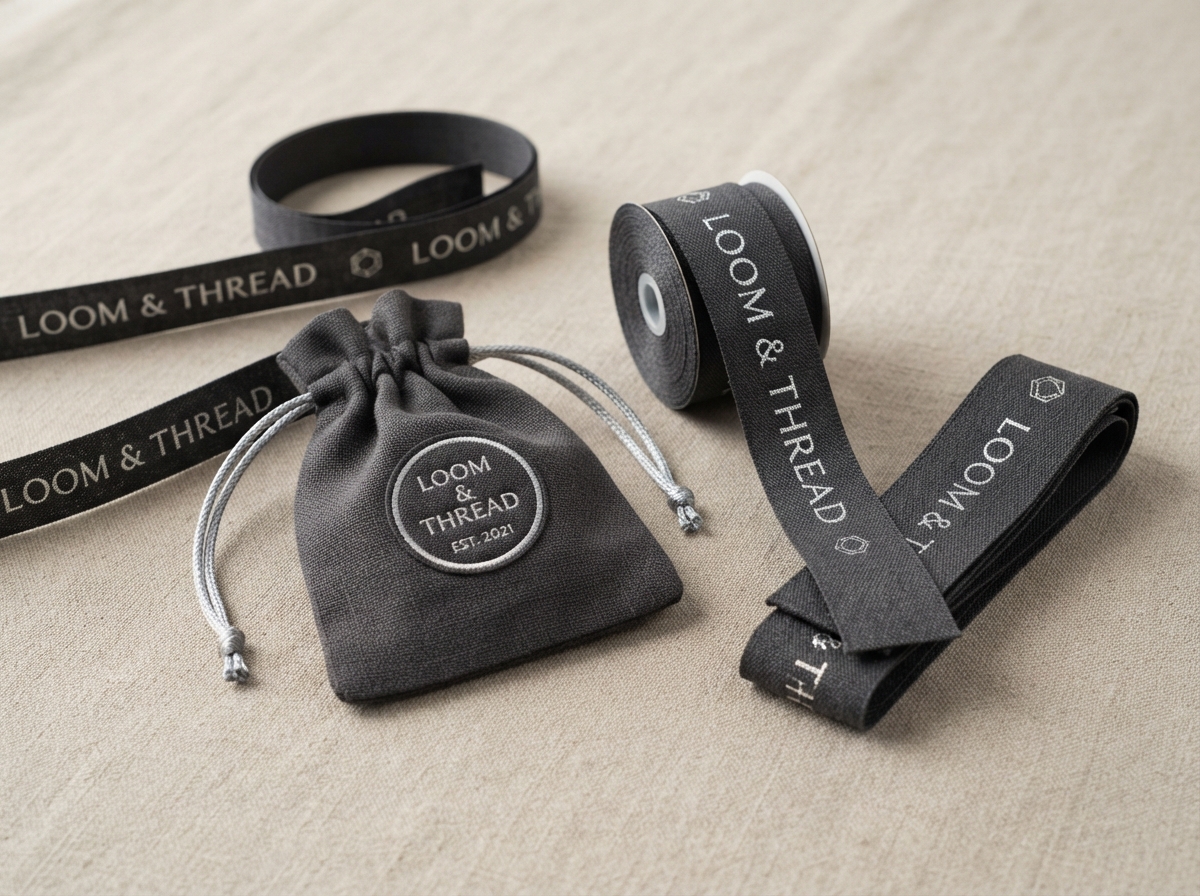
Makers often experiment with various aesthetics to find what suits their brand voice. For instance, minimalist designs often use a simple, single-color base with a thin repeating pattern or a small icon. In contrast, complex jacquard weaves allow for intricate motifs that tell a deeper story about your craft. Some makers prefer a grosgrain finish, which provides a distinct texture, while others lean toward smooth taffeta for a sleek, modern look. Regardless of the style, consistency across your collection creates a cohesive look that customers recognize instantly. As you grow, you might consider how these small details align with larger business strategies outlined in the Etsy Seller Handbook for scaling your shop.
Strategic Placement for Maximum Impact
Where you place your trim changes how the customer interacts with your brand. Some designers tuck it inside the garment as a neck or hem detail, creating a surprise for the wearer. Others prefer placing it on the exterior, perhaps along a zipper or a side seam, turning the branding into a visible design feature. Think about the physical movement of the garment or accessory. Does the trim get in the way, or does it enhance the flow of the fabric? Testing different placements during your prototyping phase prevents functional issues later. HiLabels offers a variety of options that handle these specific needs with precision and care.
Choosing the Right Materials and Finishes
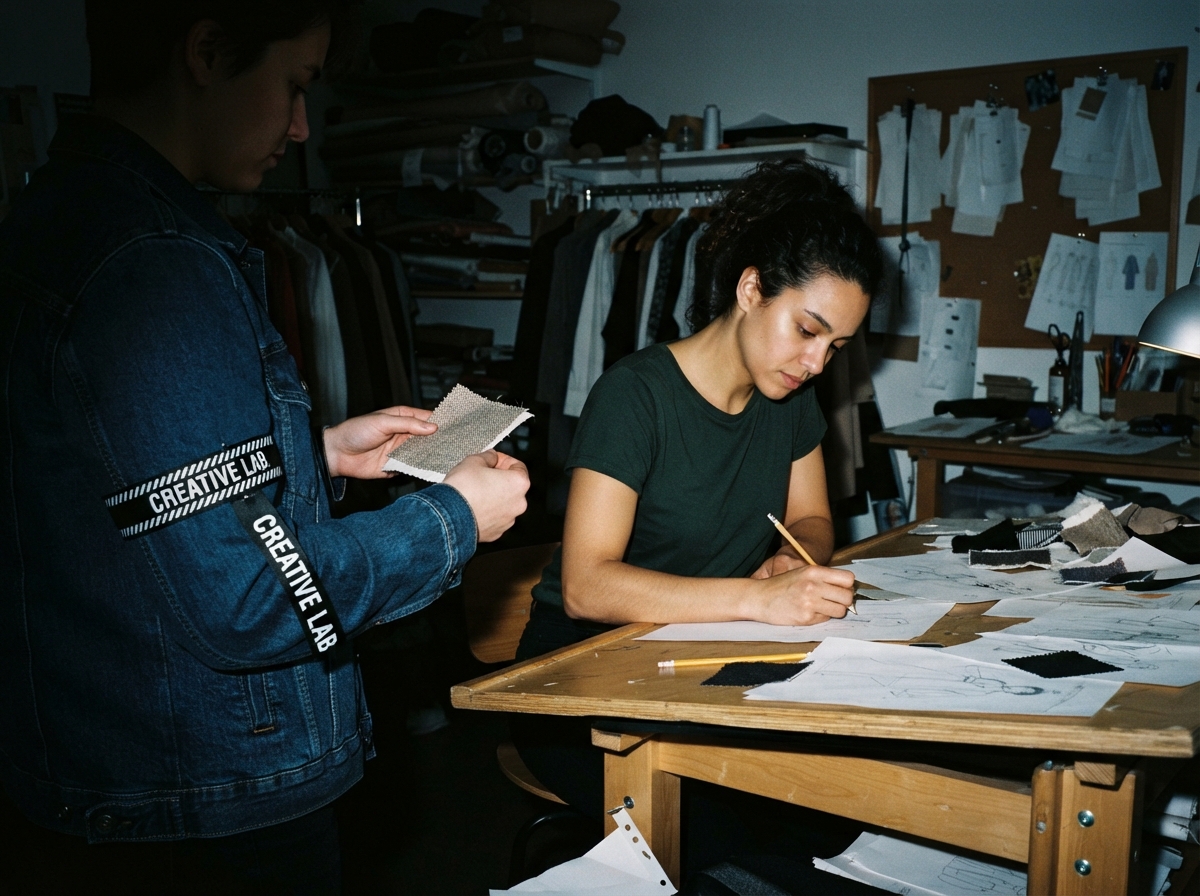
Not all materials perform the same way under stress. Natural fibers like cotton feel soft against the skin but require careful handling to avoid fading. Synthetic options offer superior color retention and structural integrity, which makes them ideal for items that see heavy daily use. When you select your custom components, ask about the loom quality. Expert weaving techniques prevent fraying and ensure the edges stay crisp. If you are uncertain about the right choice, exploring the custom options available at HiLabels can provide the clarity you need. Remember that the right choice balances visual impact with the physical requirements of your specific product category.
Frequently Asked Questions
How do I ensure my ribbon design stays legible? Focus on high-contrast color combinations and avoid overly thin fonts that might get lost in the weave. Simple, bold motifs often perform best on smaller widths.
Can I use woven ribbons on outdoor gear? Yes, but choose durable, color-fast synthetic threads that can withstand sun exposure and moisture. Always test your chosen materials for weather resistance.
What is the typical minimum for custom orders? Most specialized manufacturers offer tiered pricing, allowing small brands to start with smaller batches before scaling up. HiLabels provides flexible solutions for makers at various growth stages.
Should I prioritize embroidery or weaving? Woven designs provide a smoother, more integrated feel, while embroidery offers a raised, textured look. Choose based on whether you want the design to sit flush with the fabric or pop off the surface.
To start designing your custom trims today, visit the experts at https://hilabels.com to view their full range of professional textile solutions.


