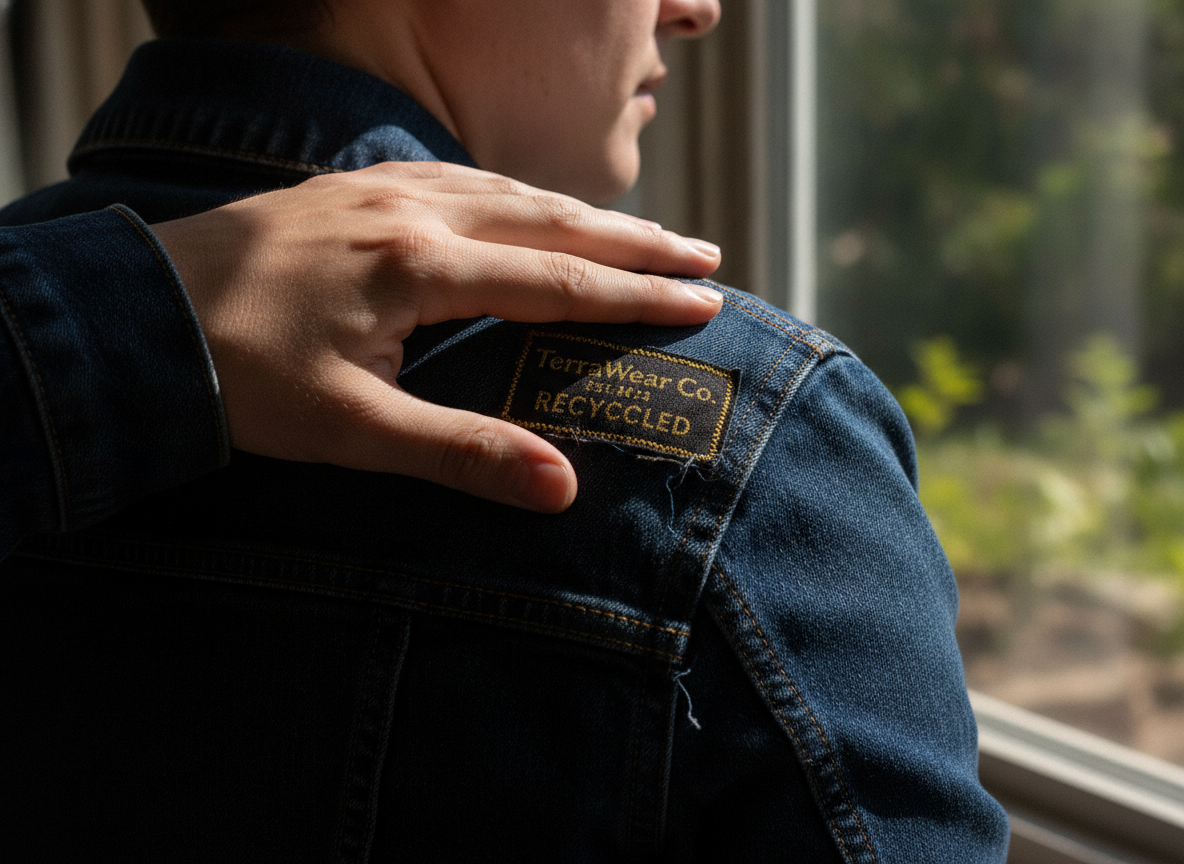
In today's conscious consumer landscape, brands increasingly seek sustainable solutions. Integrating recycled material patches for eco-friendly brands offers a powerful way to demonstrate this commitment, aligning values with tangible product features. These innovative patches allow businesses to enhance their products with a clear message of environmental responsibility. Consequently, they resonate deeply with consumers who prioritize sustainability in their purchasing decisions.
Moving beyond mere aesthetics, recycled material patches carry a significant narrative. They speak to resourcefulness, waste reduction, and a circular economy, thereby adding depth and authenticity to any product. This article explores the multifaceted benefits of these patches, delving into their material science, design considerations, and strategic integration into brand identity. We will also provide practical advice for selecting the best options for your unique brand.
Why Recycled Material Patches Matter for Eco-Friendly Brands
The demand for sustainable products continues to grow exponentially. Consumers are more informed than ever before, actively seeking brands that champion environmental causes and offer transparent production processes. Recycled material patches provide a visible, tactile indicator of a brand's dedication to these principles. Therefore, they serve as a powerful differentiator in a crowded market.
Environmental Impact and Waste Reduction
Utilizing recycled materials directly addresses the pressing global issue of waste. Textile waste, in particular, poses a significant environmental challenge, with millions of tons ending up in landfills annually. By choosing patches made from recycled fibers, brands contribute directly to reducing this burden. Furthermore, the production of recycled materials often requires less energy and water compared to virgin materials, minimizing the overall ecological footprint. The EPA actively promotes sustainable materials management, highlighting the importance of reducing, reusing, and recycling to lessen environmental impact. This focus aligns perfectly with the ethos of recycled patches.
Enhanced Brand Storytelling and Authenticity
Every element of a product tells a story, and a recycled patch narrates a compelling tale of responsibility and innovation. Brands can weave this narrative into their marketing efforts, explaining the journey of the materials and their commitment to a better planet. This transparency fosters trust and builds a stronger emotional connection with consumers. Authenticity becomes a key currency in today's market, and tangible commitments like recycled patches validate a brand's green claims. Consequently, they help build a loyal customer base who believe in the brand's mission.
Competitive Advantage in a Conscious Market
For eco-friendly brands, incorporating recycled material patches is not just an ethical choice; it is also a strategic business decision. It positions the brand as a leader in sustainability, attracting environmentally conscious customers who are often willing to pay a premium for ethically produced goods. This proactive approach to sustainability can help brands stand out from competitors who may not prioritize such visible commitments. Ultimately, it strengthens market position and enhances brand reputation.
Understanding Different Types of Recycled Patch Materials
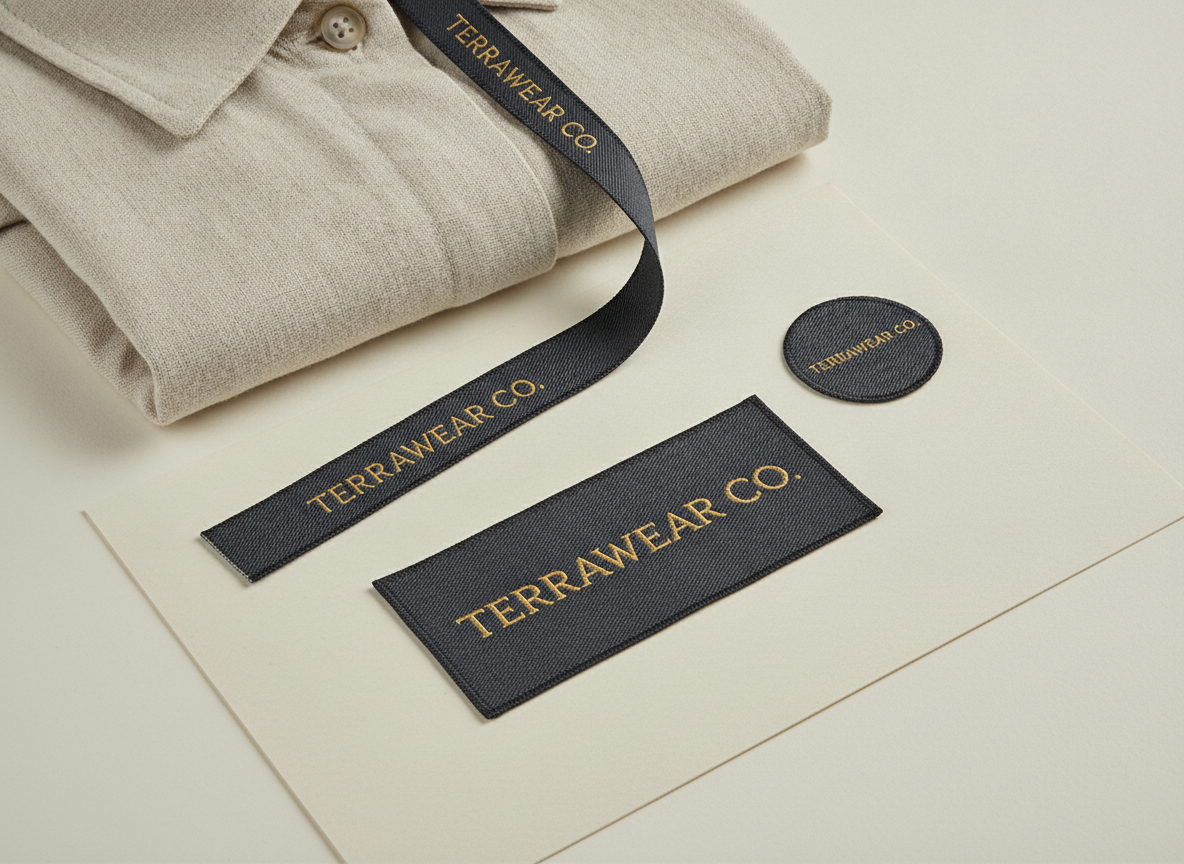
The landscape of recycled materials has expanded significantly, offering a diverse range of options for patch manufacturing. Each material brings unique aesthetic and functional qualities, allowing brands to choose the best fit for their product line and design vision. Understanding these differences helps brands make informed decisions.
RPET (Recycled Polyester)
RPET, derived from recycled plastic bottles, stands as one of the most common and versatile recycled materials. Its production involves collecting, cleaning, and processing plastic bottles into flakes, which are then melted and spun into new fibers. Patches made from RPET boast excellent durability, colorfastness, and resistance to shrinking or stretching. These properties make them ideal for outdoor apparel, activewear, and bags where longevity is crucial. Furthermore, RPET can be woven or embroidered, offering flexibility in design and finish.
Recycled Cotton and Blends
Recycled cotton originates from pre-consumer (manufacturing scraps) or post-consumer (discarded garments) textile waste. This process reduces the demand for virgin cotton cultivation, which requires significant amounts of water and pesticides. Patches made from recycled cotton often have a softer, more natural feel, making them suitable for casual wear, denim, and organic-themed products. Brands frequently blend recycled cotton with other fibers to enhance durability or achieve specific textures. Organizations like Textile Exchange certify recycled content through standards such as the Global Recycled Standard (GRS) and Recycled Content Standard (RCS), ensuring transparency and traceability for these materials.
Upcycled and Deadstock Fabrics
Beyond traditional recycling, some brands embrace upcycling or utilize deadstock fabrics for their patches. Upcycling involves transforming discarded materials into new products of higher value, often incorporating unique textures or patterns. Deadstock fabrics are surplus materials from other productions that would otherwise go to waste. Using these materials allows for truly unique, limited-edition patches with distinct stories. Although they may present sourcing challenges due to limited quantities, the exclusivity and minimal environmental impact can strongly appeal to certain niche markets. This approach champions creativity while minimizing environmental footprint.
Designing Impactful Recycled Patches: Aesthetics Meets Ethics
The visual appeal and messaging of a patch are paramount for effective branding. When working with recycled materials, designers must balance ethical considerations with aesthetic excellence. Creating impactful recycled material patches requires thoughtful design that highlights both sustainability and brand identity.
Visual Appeal and Material Characteristics
Designers should consider the inherent characteristics of recycled materials when planning their patches. Recycled polyester, for instance, can offer vibrant colors and crisp details, making it suitable for intricate designs. Recycled cotton might provide a more subdued, earthy palette and a softer texture, ideal for a handcrafted or natural aesthetic. Moreover, the type of patch-woven, embroidered, or printed-will also influence the final look. Woven patches offer fine detail and a premium feel, while embroidered patches provide a classic, textured look. Printed patches, particularly on soft cotton tape, allow for detailed graphics and a smooth finish.
Branding and Messaging Through Design
The design of your recycled patch must effectively communicate your brand's ethos. Consider incorporating elements that subtly hint at sustainability, such as earthy tones, nature-inspired motifs, or minimalist typography. Furthermore, explicitly stating the recycled content on the patch itself can be a powerful statement. For example, a small emblem indicating "Made from Recycled Materials" or "Sustainable Choice" immediately informs the consumer. With over 30 years of experience, HiLabels understands the nuances of crafting durable, high-quality patches using European loom quality that perfectly integrate branding with material integrity. This expertise ensures your patches not only look good but also last.
Quality and Durability for Long-Term Impact
A sustainable product must also be durable. A patch that quickly degrades or frays contradicts the very idea of eco-friendliness. Therefore, brands must ensure their recycled material patches are made to last, maintaining their appearance and integrity through wear and washing. This commitment to quality reinforces the brand's overall dedication to sustainability, demonstrating that their products withstand the test of time. Choosing robust materials and expert manufacturing processes is essential for achieving this longevity. Remember, a high-quality patch signifies a high-quality product.
Integrating Recycled Patches into Your Sustainable Brand Strategy

Placing recycled material patches onto products is only one step in a comprehensive sustainable brand strategy. To maximize their impact, brands must integrate these elements across their entire operation and communication channels. This holistic approach ensures consistency and strengthens the brand's message.
Communicating Value to Consumers
Educate your customers about the significance of recycled material patches. Use your website, social media, and in-store signage to explain the materials used, their environmental benefits, and your brand's commitment. Share the story behind your sustainable choices; for example, highlight how choosing RPET patches helps reduce plastic waste. This transparent communication empowers consumers to make more informed decisions. Moreover, it creates a deeper connection, transforming a simple patch into a meaningful symbol of shared values.
Supply Chain Transparency and Certifications
Authenticity demands transparency. Brands should strive for clarity in their supply chain, detailing the origin of their recycled materials and the manufacturing process of their patches. Certifications from reputable organizations, such as the Global Recycled Standard (GRS) or Recycled Content Standard (RCS), provide independent verification of recycled content claims. These certifications instill confidence in consumers and provide tangible proof of a brand's commitment. When sourcing recycled material patches, look for partners like HiLabels, which boasts 30+ years of experience and a commitment to European loom quality, ensuring both ethical sourcing and product excellence. Furthermore, tools like the Higg Index, developed by Cascale, help brands measure their environmental and social impact across the supply chain, offering valuable insights for continuous improvement.
Broader Sustainable Practices
Recycled material patches work best as part of a wider commitment to sustainability. Consider other eco-friendly practices throughout your business, such as using sustainable packaging, minimizing waste in production, or partnering with ethical suppliers. This comprehensive approach reinforces your brand's dedication to environmental stewardship. It demonstrates that recycled patches are not just a trendy add-on but an integral part of your brand's core values. Explore custom patch options at HiLabels' patch page to see the possibilities for your brand, ensuring your chosen patches align perfectly with your broader sustainability goals.
Common Questions About Recycled Material Patches
Many brands and consumers have questions about the practicality and efficacy of recycled material patches. Here, we address some common concerns, providing clarity and confidence.
Q: Are recycled patches as durable as conventional ones?
A: Yes, absolutely. Modern manufacturing techniques ensure that recycled material patches offer comparable, if not superior, durability to those made from virgin materials. Recycled polyester (RPET), for example, is inherently strong and resilient. The key lies in choosing a reputable manufacturer who adheres to high-quality production standards. They guarantee the longevity and performance of your patches.
Q: What is the difference between recycled and upcycled materials for patches?
A: Recycling involves breaking down materials (like plastic bottles or old textiles) into their base components and then reprocessing them into new products. Upcycling, however, transforms discarded items or materials into products of higher quality or value without breaking them down. For patches, this might mean using deadstock fabric scraps in their original form. Both methods contribute to waste reduction, but upcycling often results in more unique, limited-edition designs.
Q: Can recycled patches be custom designed with complex logos and colors?
A: Definitely. Recycled material patches offer extensive customization possibilities. Whether you require intricate logos, vibrant color palettes, or unique shapes, manufacturers can accommodate diverse design specifications. European loom quality ensures precision in weaving and embroidery, allowing for fine detail and rich color representation, even with recycled fibers. This versatility means your brand's aesthetic vision does not need compromise.
Q: How can I verify that a patch is genuinely made from recycled materials?
A: Look for certifications from recognized third-party organizations. The Global Recycled Standard (GRS) and Recycled Content Standard (RCS) are two prominent certifications that verify the presence and percentage of recycled materials in a product. These standards also address environmental and social practices throughout the supply chain. Always ask your supplier for relevant documentation and certifications to ensure transparency and authenticity.
Embracing recycled material patches for eco-friendly brands marks a significant step towards a more sustainable future. These patches do more than adorn a product; they convey a message of responsibility, innovation, and commitment to the planet. For brands ready to enhance their products with custom recycled patches, visit hilabels.com. We offer superior quality and over three decades of expertise, helping you bring your sustainable vision to life.


