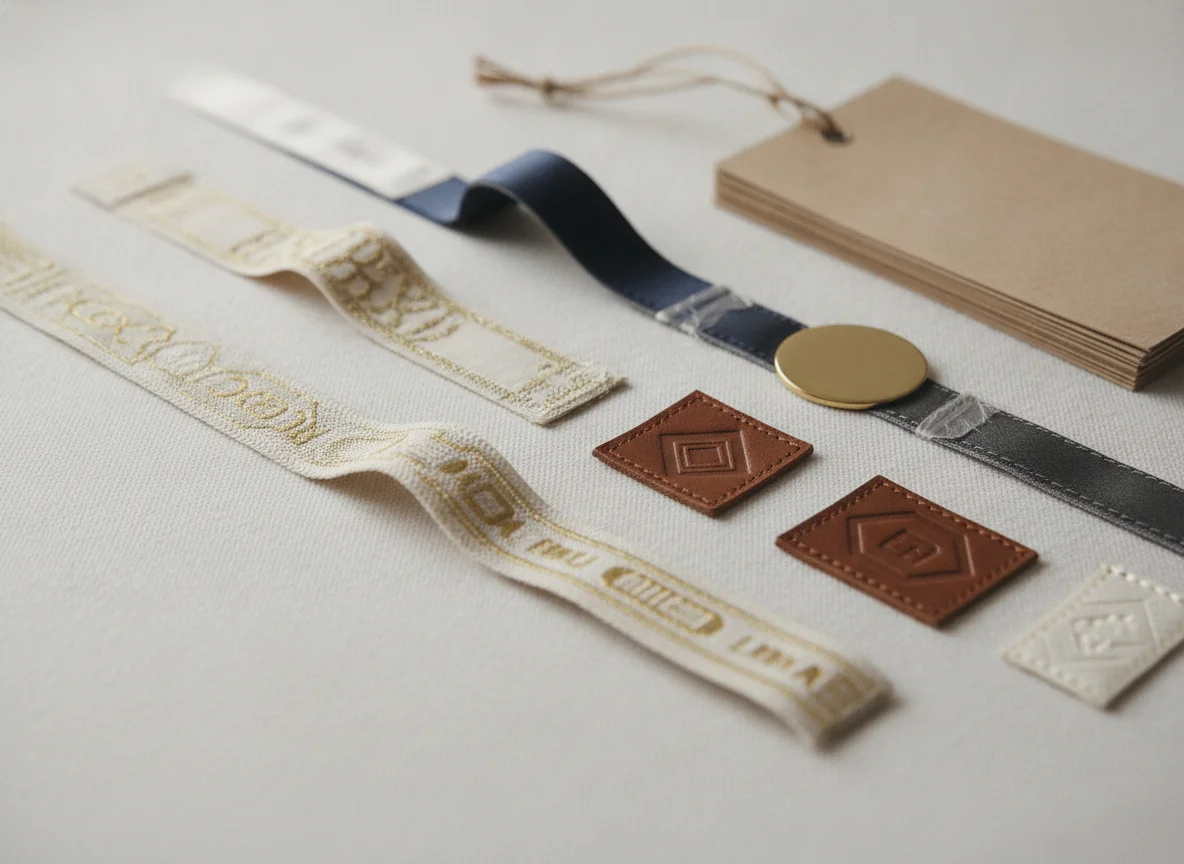
For any emerging fashion entrepreneur, understanding the pivotal role of effective branding is paramount. Choosing the best labels for small clothing brands is not just about aesthetics; it is a strategic decision that profoundly influences customer perception, brand recognition, and ultimately, growth. Labels are tiny ambassadors for your brand, communicating your values, quality, and attention to detail long after a garment leaves your hands.
Many small clothing brands begin with great designs and passion. However, they often overlook the significant impact high-quality labels make. A well-chosen label elevates a product from generic to premium, building trust and fostering a loyal customer base. We will explore the various types of labels, their unique benefits, and how you can leverage them to create a memorable and successful brand identity.
Why Labels Matter for Emerging Brands
Labels are far more than mere embellishments; they serve as critical touchpoints in the customer journey. Initially, they communicate brand identity. For example, a custom woven label showcases your logo with sophisticated texture and durability, suggesting a higher quality garment. Consequently, customers perceive the product as more valuable.
Furthermore, labels provide essential information. Care labels, for instance, guide consumers on proper garment maintenance, extending product life and preventing damage. This thoughtful inclusion reflects positively on your brand. Additionally, composition labels inform customers about fiber content, which helps them make informed purchasing decisions based on material preferences or sensitivities. Therefore, comprehensive labeling builds consumer confidence.
From a legal and compliance standpoint, certain labels are mandatory. Regulations often require specific information about fiber content, country of origin, and care instructions. Adhering to these standards protects your brand from legal issues while establishing credibility. Ultimately, investing in thoughtful and compliant labels demonstrates professionalism and a commitment to customer satisfaction, driving repeat business and positive word-of-mouth for your burgeoning brand.
Decoding Label Types: Which Are Best for Small Clothing Brands?
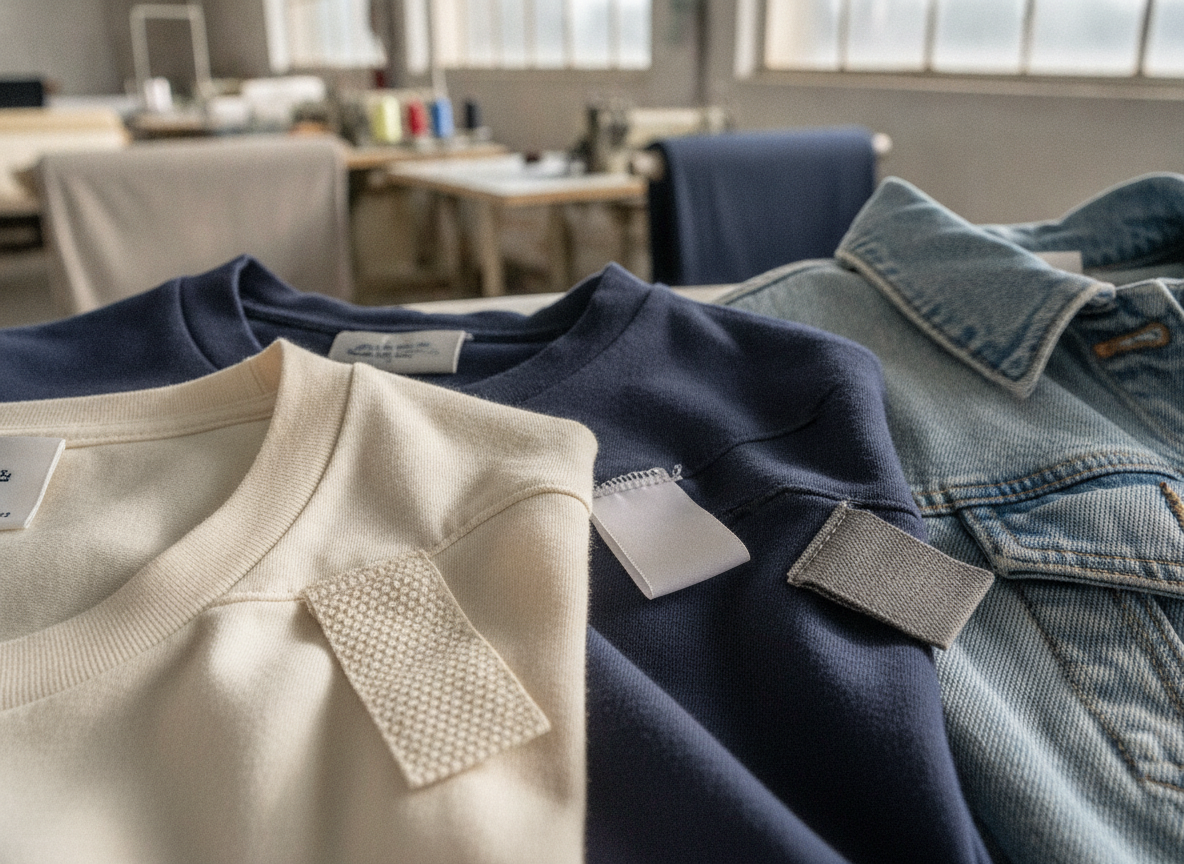
The market offers a diverse array of label types, each with distinct advantages for small clothing brands. Understanding these differences helps you make informed choices that align with your brand's aesthetic, budget, and quality standards. Here, we delve into the most common and effective options.
Woven Labels: The Gold Standard for Quality
Woven labels are widely considered the premium choice for clothing brands. Manufacturers create them by weaving threads together on a loom, resulting in a durable, sophisticated, and tactile finish. This process allows for intricate designs and vibrant colors that remain sharp even after repeated washes. For small brands aiming to convey luxury or craftsmanship, woven labels are an unparalleled option.
They offer excellent longevity, resisting fading and fraying far better than many other label types. Furthermore, woven labels feel soft against the skin, which enhances comfort for the wearer. HiLabels, for instance, specializes in woven labels using European loom quality, ensuring crisp detail and lasting beauty. This type of label truly elevates the perceived value of your garments, making them an excellent investment for brands focused on quality and durability.
Printed Labels: Versatility and Affordability
Printed labels offer a flexible and cost-effective alternative, especially beneficial for startups or brands with extensive product lines. Producers print designs directly onto fabric materials such as satin, nylon, or cotton. This method allows for a wide range of colors and complex graphic designs, including gradients and fine text.
While generally less durable than woven labels, modern printing techniques have significantly improved their longevity. Printed labels are particularly useful for detailed care instructions or regulatory information where legibility is key. Additionally, they often have a smoother feel, which some consumers prefer, especially in activewear or children's clothing where comfort is paramount. For brands requiring quick production times and design flexibility, printed labels present a practical solution.
Heat Transfer Labels: Seamless Comfort
Heat transfer labels (also known as tagless labels) involve printing an image directly onto a heat-sensitive paper, then applying it to the fabric using heat and pressure. This results in a smooth, seamless finish that eliminates the irritation often associated with traditional sewn-in labels. Many activewear brands and children's clothing lines favor these labels for their superior comfort.
They are virtually undetectable against the skin, which enhances the wearer's experience. While they may not offer the same luxurious feel as woven labels, their comfort factor is a significant selling point. However, brands must ensure the print quality is high to prevent fading or cracking over time. These labels are an excellent choice for casual wear or garments where a minimalist, tag-free design is desired.
Other Label Types: Patches, Hang Tags, and Specialty Labels
Beyond the primary garment labels, several other options enhance your brand. Embroidered patches add a rugged or artisanal touch, ideal for outerwear, denim, or accessories. These offer a distinct texture and dimension.
Hang tags, while not sewn onto the garment, provide additional space for branding, pricing, sizing, and marketing messages. They offer an initial branding impression before the consumer even tries on the item. Furthermore, specialty labels like metallic thread woven labels or those with unique finishes can create a distinct, luxurious appeal. Considering these supplementary labels allows small clothing brands to build a comprehensive and compelling brand narrative.
Crafting Your Brand Story Through Label Design
An effective label goes beyond merely displaying a logo; it tells a story. Every element of your label's design contributes to your brand's narrative and helps you stand out in a competitive market. Therefore, thoughtful design is paramount for the best labels for small clothing brands.
Logo and Typography
Your logo is the cornerstone of your brand identity. On a label, it should be clear, legible, and scalable. Consider how it will appear in a small format. Simple, distinctive logos often translate best onto labels. Similarly, your choice of typography speaks volumes. A classic serif font might suggest elegance, whereas a bold sans-serif could convey modernity and strength. Ensure the font is readable, even at small sizes, to avoid a cluttered look. Consistency with your overall brand's visual identity is crucial here.
Color Palette and Material Choice
Color evokes emotion and association. Choose colors that reflect your brand's personality and product line. Subtle, earthy tones might suit a sustainable brand, while vibrant hues could fit a playful, youthful aesthetic. The material of the label itself also plays a role. A soft, silky satin woven label feels luxurious, whereas a sturdy cotton twill label might convey a more rustic or organic feel. Think about the texture and drape of the label and how it complements your garment's fabric. HiLabels offers a vast array of color options and materials to perfectly match your brand vision.
Placement and Size
The placement and size of your labels significantly impact comfort and aesthetic appeal. Neck labels are standard, but consider the wearer's comfort; a scratchy label irritates. Side seam labels, often found near the hem, are a popular alternative for care information. These can be less intrusive. Experiment with different sizes. A smaller, understated label might project sophistication, while a larger, more prominent one could make a bolder statement. Always ensure the label is proportionate to the garment and doesn't overwhelm the design. Ultimately, the placement should enhance the garment, not detract from it.
Beyond Aesthetics: The Importance of Care & Compliance Labels

While branding labels establish your aesthetic, care and compliance labels provide crucial, practical information. Neglecting these aspects can lead to customer dissatisfaction or even legal issues. Therefore, they are integral components when considering the best labels for small clothing brands.
Essential Care Instructions
Care labels instruct consumers on how to properly wash, dry, iron, and treat their garments. These symbols and text help preserve the garment's quality and appearance, thereby extending its lifespan. Incorrect care can lead to shrinking, fading, or damage, which then reflects poorly on your brand. Providing clear, easy-to-understand care instructions shows your commitment to product longevity and customer satisfaction. It prevents frustration and builds trust.
The use of standardized care symbols is globally recognized, making your products accessible to a wider audience. You can find comprehensive guides on these symbols from reputable sources like the Federal Trade Commission (FTC) for textile labeling regulations. Furthermore, consider including special instructions for delicate fabrics or embellishments. This attention to detail reinforces your brand's dedication to quality.
Fiber Content and Country of Origin
Regulations in many countries mandate that clothing labels clearly state the fabric composition and country of origin. This information empowers consumers to make informed choices based on allergies, ethical preferences, or material performance. For example, knowing a shirt is 100% cotton versus a poly-blend greatly influences a buyer's decision. Similarly, the country of origin provides transparency about manufacturing practices.
Accurate disclosure builds consumer trust and demonstrates your brand's integrity. Mislabeling these details can result in fines, product recalls, and severe damage to your brand's reputation. Always verify the exact fiber content and country of manufacture for each garment. This ensures full compliance with local and international labeling laws, protecting both your business and your customers.
Selecting Your Label Partner: Quality and Reliability
Choosing the right supplier for your labels is as critical as the design itself. A reliable partner ensures your labels meet your quality standards, arrive on time, and accurately represent your brand. This step is particularly important for small clothing brands that cannot afford mistakes or delays.
Look for manufacturers with a proven track record of quality and excellent customer service. Consider their experience in the industry. For example, HiLabels boasts over 30 years of experience, specializing in custom woven labels and care labels with European loom quality. Such longevity often signifies expertise and a commitment to high standards. Check their portfolio and request samples to assess the quality of their craftsmanship. Examine the clarity of the weave, the vibrancy of colors, and the softness of the material.
Additionally, evaluate their communication and turnaround times. A responsive supplier simplifies the ordering process and keeps you informed about your order's status. They should offer flexible minimum order quantities (MOQs) to accommodate the needs of growing small businesses. Furthermore, inquire about their customization options, including different materials, finishes, and sizes. A partner who can truly bring your vision to life, offering support from design conception to final production, is invaluable. Ultimately, a strong partnership ensures you consistently receive the best labels for small clothing brands, allowing you to focus on your core business of creating exceptional apparel.
Next Steps for Label Success and Brand Growth
Once you have a clear vision for your labels, meticulous planning and execution are essential. This final stage consolidates your efforts and sets the stage for continuous brand development. Implementing these steps ensures your labels consistently deliver value.
Planning Your Order
Begin by consolidating all your label requirements. Determine the exact quantities needed for each label type, considering current production runs and future growth projections. Create detailed specifications for each label, including dimensions, folding style (e.g., end-fold, center-fold, straight cut), and color codes (Pantone references are ideal). Prepare your artwork in high-resolution vector format to ensure crisp, clear reproduction. Double-check all text for typos or errors. A well-organized order ensures a smooth production process and minimizes the chances of costly re-runs. This proactive approach saves time and resources, which are vital for small brands.
Integrating Labels into Production
Seamless integration of labels into your garment production workflow is crucial. Coordinate with your manufacturing partners to ensure they understand your label requirements and placement preferences. If you are sewing labels in-house, establish a clear process to maintain consistency and efficiency. Pay close attention to the sewing method. For instance, a soft woven label might be best sewn flat or loop-folded into a seam to prevent skin irritation. Ensure labels are consistently attached in the same location and orientation across all garments. Proper integration enhances the professional look and feel of your products, reinforcing the quality communicated by your chosen labels.
Monitoring and Feedback
After your products are in the market, actively monitor customer feedback regarding your labels. Are they comfortable? Do they hold up well after washing? Are the care instructions clear? This feedback loop provides invaluable insights for future improvements. Perhaps a particular label material is too stiff for a certain garment, or the print on a care label is not durable enough. Using this information, you can refine your label choices and designs over time. Continuous improvement based on real-world usage ensures that your labels evolve with your brand and continue to meet customer expectations. This commitment to refinement solidifies your reputation for quality and customer focus.
Frequently Asked Questions About Labels for Small Clothing Brands
Q1: How do I choose between woven and printed labels?
A1: Woven labels offer superior durability, a premium feel, and intricate detail, making them ideal for high-end or staple garments where quality is paramount. Printed labels, conversely, are more cost-effective, offer greater design flexibility for complex graphics, and work well for detailed care instructions or a softer feel. Consider your brand's aesthetic, budget, and the garment's intended use when making your decision.
Q2: Are care labels legally required for all clothing?
A2: In many countries, yes. Regulations like the FTC's Care Labeling Rule in the U.S. mandate that most textile products carry permanent care instructions. These rules typically also require disclosure of fiber content and country of origin. Always research and comply with the specific labeling laws in the regions where you plan to sell your garments to avoid legal issues.
Q3: Can labels help with counterfeiting?
A3: Yes, custom labels can act as a deterrent to counterfeiting. Unique features such as custom weaves, specific color combinations, micro-text, or even hidden security threads in woven labels make it harder for counterfeiters to replicate your products accurately. High-quality labels signal authenticity and protect your brand's integrity.
Q4: What is the typical turnaround time for custom labels?
A4: Turnaround times vary depending on the label type, complexity, and manufacturer. Standard custom woven labels often take 2-4 weeks for production after artwork approval, while printed labels might be quicker. Always discuss lead times with your supplier, especially if you have tight production deadlines. Reputable companies like HiLabels aim to provide clear timelines to meet your project needs efficiently.
Thoughtful label choices are a powerful tool for small clothing brands striving to make a significant impact. They convey quality, ensure compliance, and strengthen your unique brand identity. Invest in labels that truly represent your vision and resonate with your audience. For expert guidance and custom label solutions that reflect European loom quality, explore the possibilities at HiLabels and give your brand the professional edge it deserves.


