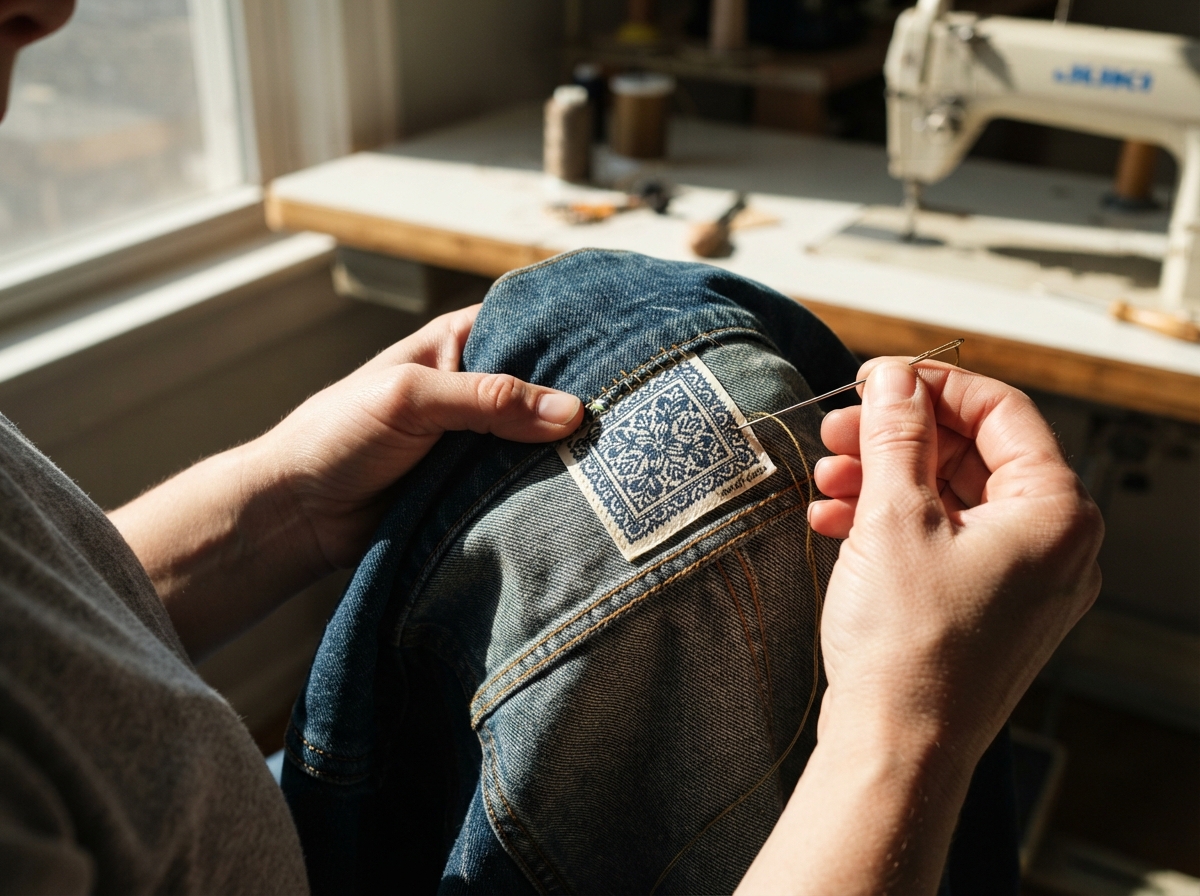
Modern consumers demand more information than ever regarding the items they purchase, making digital product passport QR code labels a vital asset for forward-thinking brands. These innovative tools bridge the gap between a physical garment and its digital footprint, offering transparency that builds long-term customer trust.
Understanding Digital Product Passport QR Code Labels
A digital product passport (DPP) acts as a virtual record for a physical item. By integrating digital product passport QR code labels directly into your clothing, you provide instant access to essential data. This data often includes material origins, manufacturing processes, and even end-of-life recycling instructions. Consequently, brands shift from static labels to dynamic interfaces that grow with the product lifecycle.
Regulations are shifting globally to favor greater product traceability. For example, organizations like GS1 provide the global standards necessary to ensure that these digital connections remain consistent across different retail environments. Using these standardized identifiers helps brands ensure their supply chain data remains interoperable and accessible on a global scale.
Why Brands Adopt Smart Labeling Solutions

Transparency is no longer optional for modern apparel businesses. Many customers actively seek information about where their clothing comes from and how workers produced it. Digital product passport QR code labels serve as a convenient medium to share this narrative without cluttering the garment with excessive fabric tags. Furthermore, these digital links help brands comply with emerging circular economy requirements.
Implementing these systems requires careful planning of both the physical tag and the digital destination. You must ensure the content provided is accurate and relevant to the end user. If you are developing your own compliance strategy, reviewing resources from the AATCC can help you understand the technical requirements for durability. Labels must remain legible even after repeated washing, ensuring the QR code remains scannable throughout the garment's life.
Designing for Functionality and Durability
Choosing the right materials for your labels remains just as important as the digital link itself. While the QR code provides the technical depth, the label must survive the daily wear of the garment. HiLabels offers durable options that withstand industrial laundry processes, ensuring the connection to your digital passport never breaks. Designers often choose woven techniques because they offer a premium feel while maintaining high structural integrity.
A common mistake involves placing the code in a high-friction area. You should aim for a location that is easily visible but protected from excessive rubbing. Furthermore, ensure the contrast between the QR code and the fabric is high enough for mobile scanners to read instantly. Testing your labels on multiple devices prevents frustrating user experiences for your customers.
Future Trends in Textile Traceability
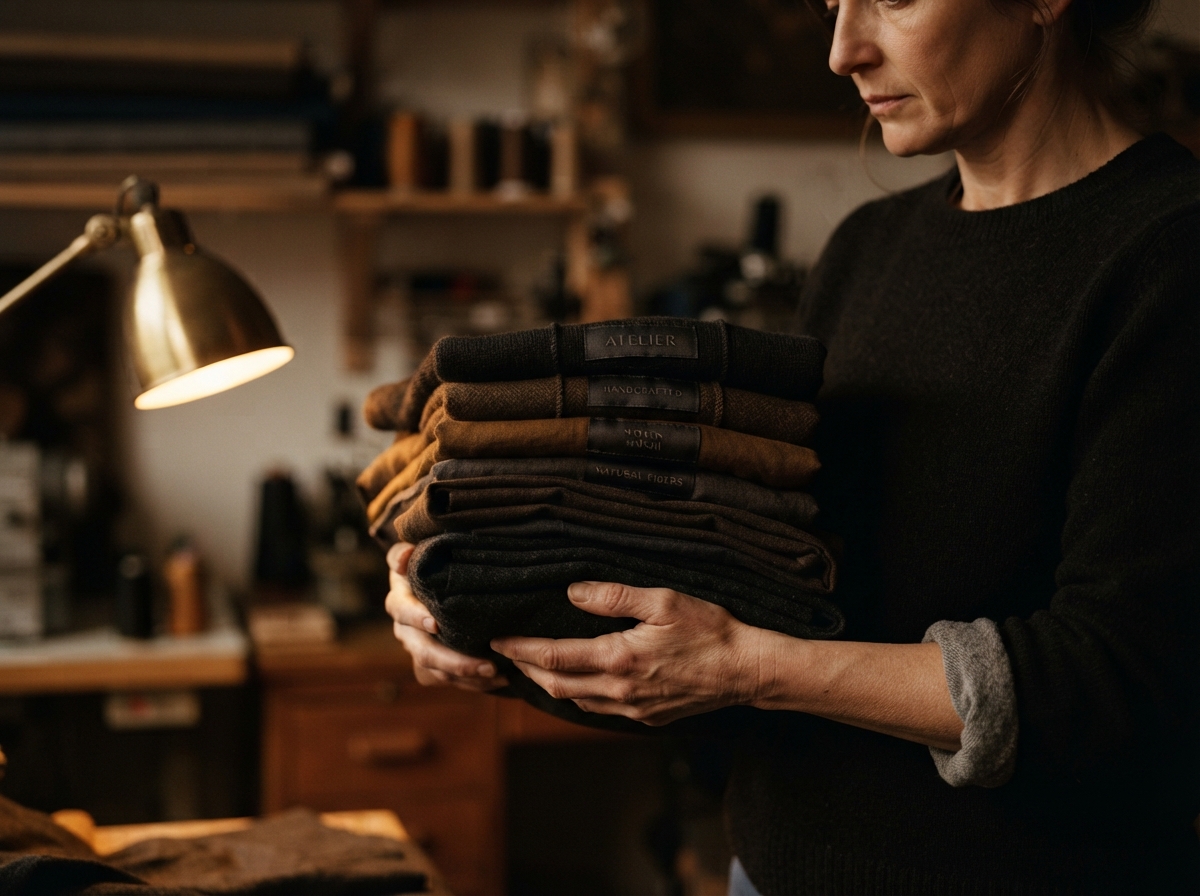
As technology evolves, these labels will likely move beyond simple links. We expect to see more integration with blockchain technology for verified provenance. This shift will make it nearly impossible to falsify data, giving consumers complete confidence in the brand's sustainability claims. Additionally, as HiLabels continues to refine its manufacturing capabilities, we are seeing a rise in demand for labels that incorporate these high-tech features into traditional weaving processes.
Start by identifying which data points matter most to your customers. Do they care about the carbon footprint, or is material composition their top priority? Tailor your digital landing page to answer these specific questions. By starting small and scaling your digital efforts, you create a more sustainable and transparent future for your fashion brand.
Frequently Asked Questions
What exactly is a digital product passport? It is a comprehensive digital record containing information about a product's origin, manufacturing, and recycling options.
How do I keep my QR codes readable over time? Choose high-quality, high-contrast materials that resist fading. Ensure your QR code is large enough for standard smartphone cameras.
Do I need specialized equipment to use these labels? No, you only need to link your label to a web-based digital passport. Any smartphone can then scan the code and access the information.
Can I integrate these into my existing branding? Yes, you can incorporate QR codes into custom woven labels without sacrificing your brand aesthetic. Contact us at HiLabels to discuss how we can help you integrate smart technology into your next collection.


