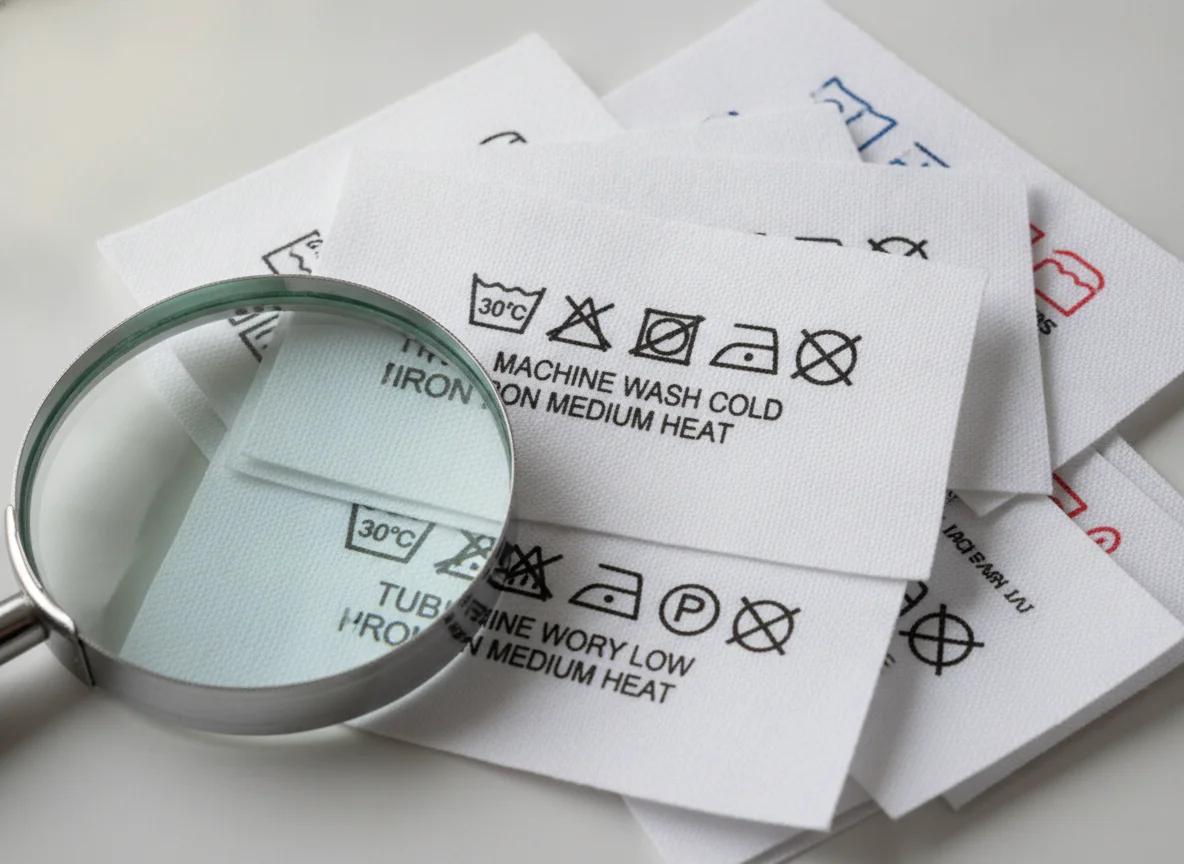
Operating an apparel or textile brand involves much more than just design and production. You must navigate a complex web of regulations designed to protect consumers and ensure transparency. Every brand needs to understand and implement the FTC care label rule compliance guide. Neglecting these essential mandates can lead to significant penalties, reputational damage, and even product recalls. Proper labeling is not merely a formality; it builds trust with your customers and ensures your products meet legal standards.
Understanding the FTC Care Label Rule Compliance
The Federal Trade Commission (FTC) enforces specific rules governing how clothing and textile products must be labeled. This critical framework, known as the Care Labeling Rule, mandates that manufacturers and importers attach a label with clear and accurate instructions for the garment's ordinary care. It also requires disclosure of fiber content and country of origin. The rule aims to help consumers properly care for their purchases, thus extending product life and preventing damage due to improper cleaning methods.
First implemented in 1971 and periodically updated, this rule applies to most textile wearing apparel and certain piece goods. It covers a vast array of products, from shirts and trousers to scarves and blankets. However, some items like footwear, gloves, hats, and non-textile products typically fall outside its scope. Brands must proactively identify which products require care labels. You cannot assume an item is exempt without thorough verification. Understanding these fundamental requirements forms the bedrock of an effective FTC care label rule compliance strategy.
Key Requirements for Compliant Care Labels
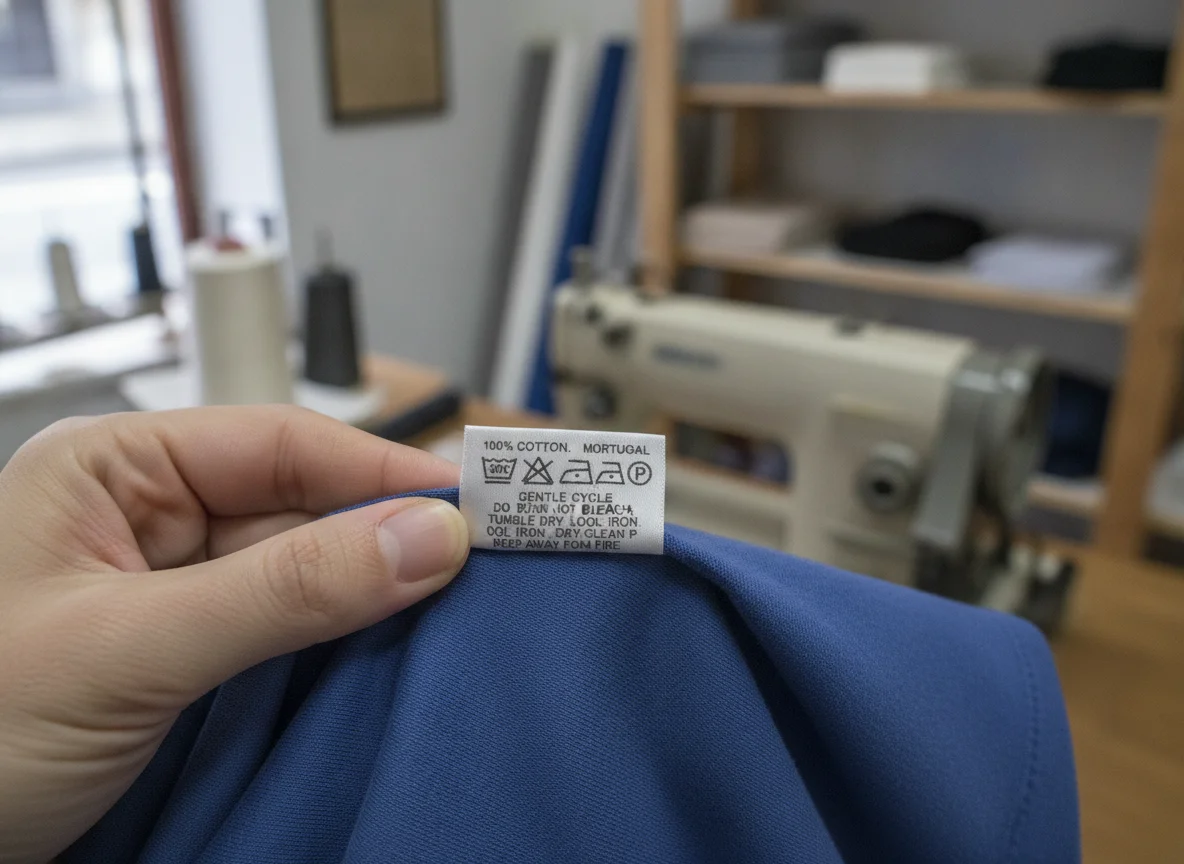
Meeting FTC standards involves more than simply printing instructions on a label. You must include specific information, presented clearly and permanently. These are the core elements every compliant care label must display:
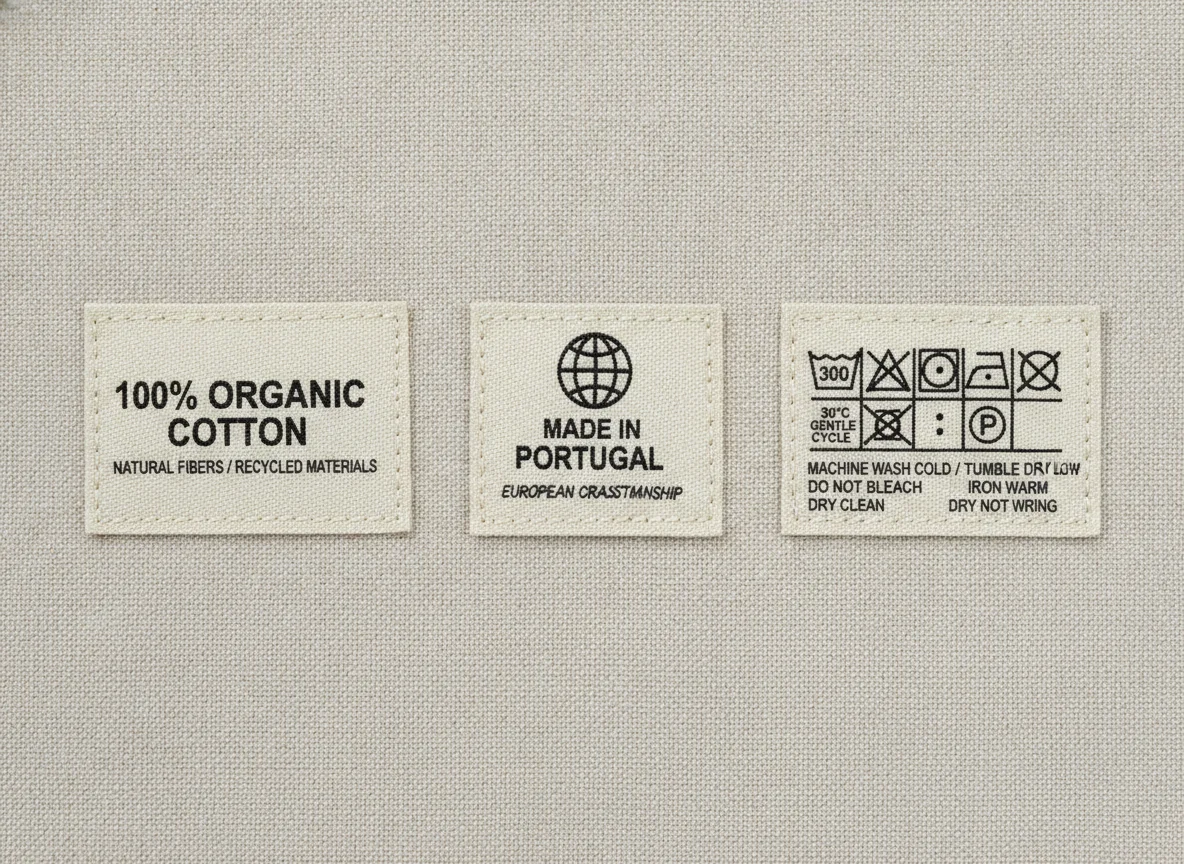
- Fiber Content: You must list all fibers present in the fabric by their generic names, in descending order by weight. If a fiber constitutes less than 5% of the total weight, you can list it as "other fiber" or "other fibers," unless it has a functional significance (e.g., "5% Spandex for shape retention"). Accuracy here is paramount.
- Country of Origin: The label must clearly state where the product was "made" or "manufactured." If the product is imported, you must identify the country of origin. If manufactured in the U.S. with imported materials, specific rules apply regarding how you word this. For example, "Made in USA of imported fabric" might be appropriate.
- Care Instructions: This is arguably the most recognized part of the rule. You must provide at least one safe method for cleaning and caring for the garment without damaging it. This includes instructions for washing, bleaching, drying, ironing, and dry cleaning, where applicable. The instructions must be easy to understand and durable for the life of the product.
- Manufacturer or Dealer Identity: You must include the name or registered identification number (RN) of the manufacturer, importer, or other firm responsible for marketing the product. The FTC assigns RNs, providing a public record of responsibility.
Each of these components plays a crucial role in full FTC care label rule compliance. Omitting any detail or providing inaccurate information can lead to regulatory scrutiny.
Crafting Effective and Durable Care Instructions
Care instructions present a particular challenge. They need to be comprehensive, unambiguous, and suitable for the garment's expected lifespan. The FTC allows for two primary methods: written instructions or standardized symbols. Most brands choose a combination for clarity and international appeal.
The Language of Care: Symbols vs. Words
Using care symbols (e.g., wash tub, triangle, circle, iron) offers a universal language. International standards like ISO 3758 provide a framework for these symbols. However, if you use symbols, you must either also provide written instructions, or ensure the symbols are explained nearby. Often, brands include a small "key" on hangtags or packaging for consumer reference. Conversely, written instructions require precise wording. Avoid vague terms like "cool iron"; instead, specify "cool iron only" or "iron on low." When considering the best approach, prioritize clear communication over brevity.
Furthermore, the instructions must specify the most severe method of care the product can safely undergo. For instance, if a garment can be hand-washed or machine-washed on a delicate cycle, you must list both or the more robust option. You cannot simply list "dry clean only" if machine washing is also safe. This ensures consumers have options. For example, if your product is machine washable, you must provide washing, drying, and ironing instructions. If it can also be dry cleaned, you may add "dry clean."
The durability of these instructions is equally important. Paper hangtags alone are insufficient. The care information must remain legible and attached throughout the product's life. This is where a trusted partner like HiLabels, with its European loom quality woven labels, becomes invaluable. They produce durable, high-definition care labels that withstand repeated washing and wear. Many brands also opt for custom woven labels for their main branding, which can sometimes incorporate care instructions directly, creating a seamless and compliant solution.
Avoiding Common Compliance Pitfalls
Even well-intentioned brands can stumble when it comes to care label compliance. Awareness of common mistakes helps you proactively prevent them.
One frequent error involves incomplete care instructions. Brands might provide washing instructions but omit drying or ironing guidance, assuming consumers will know. The FTC requires a complete set of instructions for each care step relevant to the product. For example, if a garment is dry cleanable, you need to state that clearly. Another mistake involves using care instructions that contradict other label information or common sense. If a label says "100% Silk" but gives "Tumble Dry High" instructions, this creates consumer confusion and a clear compliance violation. Always verify consistency across all labeling elements.
Moreover, some brands mistakenly believe that including a generic "See care instructions on website" satisfies the rule. It does not. The information must be permanently affixed to the product itself. Mislabeling fiber content or country of origin also frequently triggers FTC action. Importing materials from one country and assembling in another requires specific, accurate phrasing like "Assembled in USA from imported components." You must thoroughly understand these nuances. Ensuring your labels meet these rigorous standards is crucial, and HiLabels specializes in producing care labels that adhere precisely to FTC guidelines, helping you avoid these common pitfalls.
Additionally, small businesses sometimes overlook compliance, thinking the rules only apply to large corporations. The FTC Care Labeling Rule applies to virtually all manufacturers and importers of covered textile products, regardless of their size. Ignorance of the rule does not provide an exemption or protection from penalties. Therefore, even startups must develop a robust FTC care label rule compliance strategy from day one.
Beyond Compliance: Leveraging Care Labels for Brand Trust
While the primary purpose of care labels is regulatory compliance, they also offer an opportunity. Thoughtfully designed care labels can subtly reinforce your brand's commitment to quality and consumer satisfaction. Clear, concise, and professionally produced labels reflect attention to detail. This strengthens brand loyalty. Consumers appreciate labels that are easy to read and understand.
Consider the tactile experience. A scratchy, poorly printed label can detract from an otherwise premium product. Conversely, a soft, finely woven label enhances the overall feel and perception of quality. This seemingly small detail contributes to the brand story. By selecting high-quality care labels, you communicate your brand's values. This demonstrates a commitment to both product integrity and customer care. Ultimately, a well-executed FTC care label rule compliance strategy does more than just avoid penalties; it builds consumer confidence.
For further information, you can always refer to the official FTC guidelines regarding labeling instructions.
Frequently Asked Questions About Care Label Compliance
- Q: What types of products does the FTC Care Labeling Rule apply to?
- A: The rule generally applies to most textile wearing apparel and certain piece goods, such as fabrics sold at retail for making clothing. It covers items like shirts, dresses, pants, coats, and bed linens.
- Q: Can I use care symbols instead of written instructions?
- A: Yes, you can use standardized care symbols. However, the FTC encourages brands to provide either written instructions or to ensure the symbols are easily understood, often by providing a key. Many brands use both symbols and words for maximum clarity, especially for international markets.
- Q: What happens if my brand doesn't comply with the FTC Care Labeling Rule?
- A: Non-compliance can lead to significant penalties, including fines of up to $16,000 per violation. The FTC can also issue cease and desist orders, require corrective labeling, or mandate product recalls. These actions can severely damage a brand's reputation and financial standing.
- Q: How long must care labels remain legible and attached?
- A: The care label must be permanent and remain legible for the useful life of the product. This means the label should withstand multiple washes and normal wear without fading, tearing, or detaching. This is why material quality matters greatly for care labels.
- Q: Where can I get compliant care labels for my products?
- A: You can source compliant care labels from specialized manufacturers. Companies like HiLabels have decades of experience producing high-quality, durable woven and printed care labels that meet all FTC requirements, ensuring your brand stays compliant.
Achieving full FTC care label rule compliance is an ongoing responsibility for every apparel and textile brand. It protects your business, builds consumer trust, and ensures ethical practices within the industry. Prioritize clear, accurate, and durable labeling for every product you create. Explore custom care label solutions that meet these stringent requirements and enhance your brand's professional image.
Ready to ensure your brand's labels are fully compliant and represent your quality? Visit hilabels.com to discover our range of custom care labels and professional labeling solutions today.


