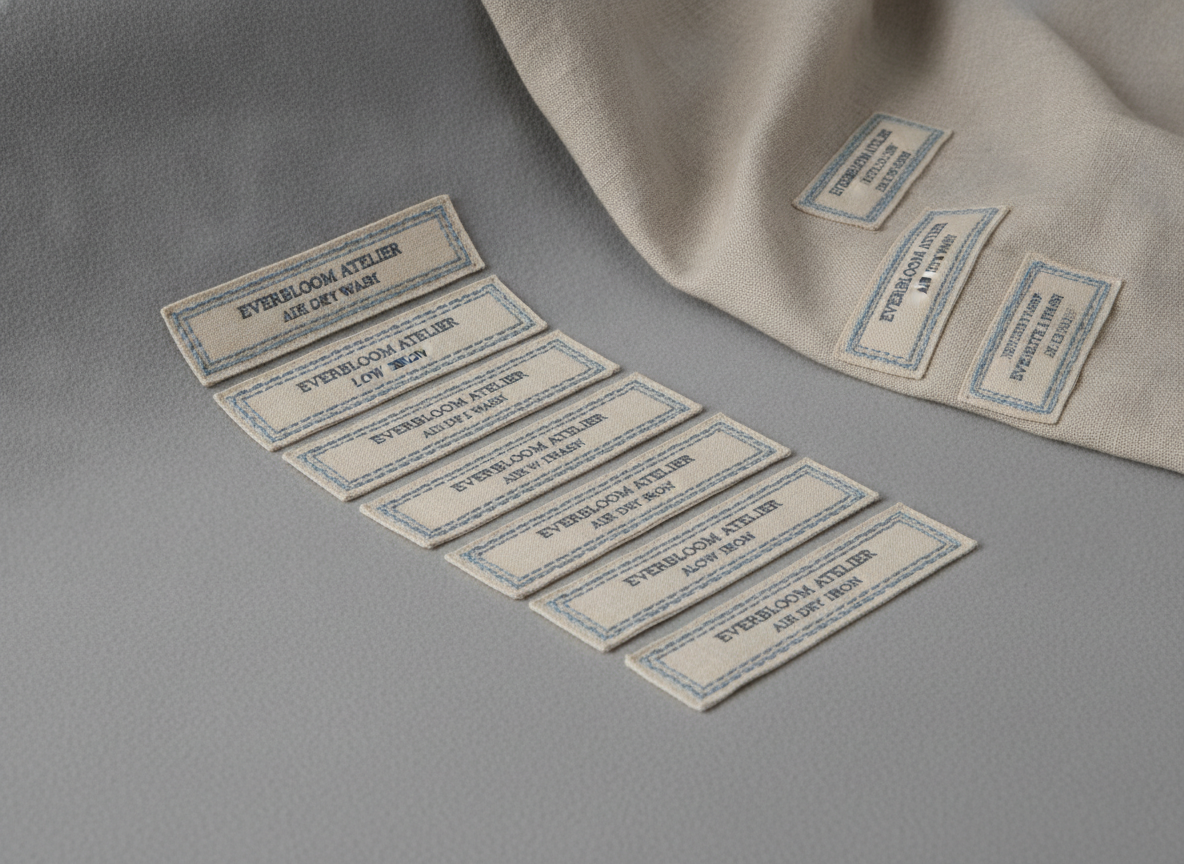
As the textile and apparel industry continually evolves, understanding and adhering to regulatory standards becomes paramount for every brand. For businesses preparing their upcoming collections, navigating the FTC care labeling requirements 2026 is not merely a suggestion; it is a legal imperative. These regulations ensure consumers receive accurate and helpful information about how to care for their garments, thereby extending product life and preventing damage. Furthermore, complying with these rules protects brands from potential legal issues and strengthens consumer trust.
What Are the FTC Care Labeling Requirements, and Why Do They Matter?
The Federal Trade Commission (FTC) established the Care Labeling Rule (16 CFR Part 423) to help consumers make informed decisions about product care. This rule mandates that textile and apparel products carry permanent labels with specific care instructions. These instructions must accurately describe methods for regular care, thereby ensuring the longevity of garments and consumer satisfaction. Manufacturers and importers must provide complete and accurate care instructions. Consequently, consumers can properly maintain their clothing, preventing shrinkage, fading, or damage from incorrect washing or drying.
The Care Labeling Rule applies to most textile apparel and certain piece goods. It requires manufacturers to provide full care instructions for the product's useful life. Historically, the FTC introduced these requirements to address consumer complaints about clothing damage due to absent or misleading care information. Therefore, these rules serve as a fundamental pillar of consumer protection within the textile industry. You can find comprehensive guidance on complying with the Care Labeling Rule on the FTC's website. Understanding these foundational aspects is the first step toward effective compliance.
Navigating the FTC Care Labeling Requirements 2026: Key Changes and Compliance
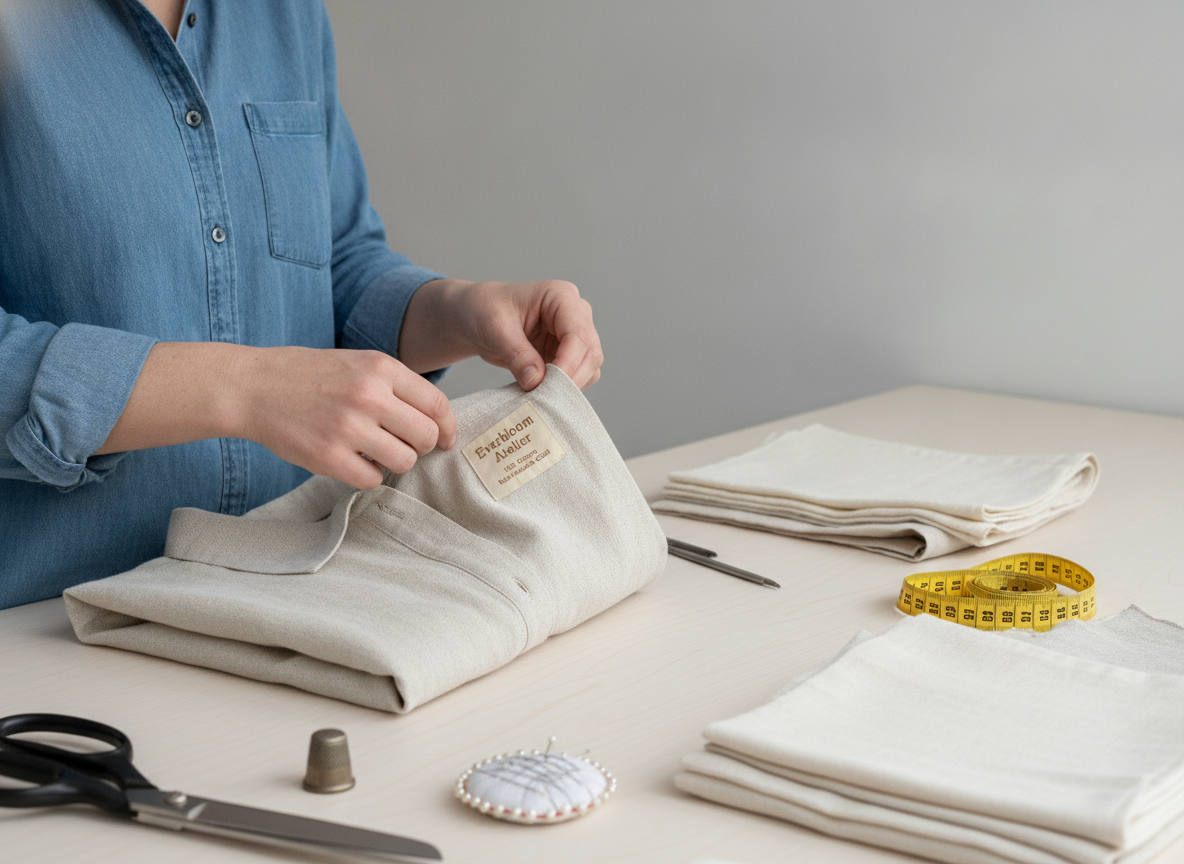
While specific new amendments for FTC care labeling requirements 2026 are not yet finalized, brands should always adopt a proactive stance. The FTC periodically reviews and updates its regulations to keep pace with technological advancements in textile manufacturing and evolving consumer expectations. Therefore, anticipating potential changes and building flexibility into your labeling strategy is a smart business practice. This proactive approach minimizes disruption and ensures continuous compliance.
Anticipating Potential Updates
Brands should monitor official FTC announcements closely for any proposed changes. Possible areas of future focus might include clearer guidance on sustainable care practices, updates to care symbols for new fabric blends, or enhanced requirements for digital labeling. For example, as smart textiles become more prevalent, the FTC might introduce guidelines specific to their care. Remaining informed through official channels like the eCFR's detailed regulation texts is crucial for staying ahead.
Proactive Compliance Strategies
To prepare for potential 2026 updates, brands can implement several strategies now. Firstly, regularly audit your current labeling practices. Check that your labels meet existing standards accurately and consistently. Secondly, establish robust internal processes for label creation and approval. This includes cross-referencing care instructions with fabric composition and construction methods. Furthermore, consider investing in flexible labeling solutions. These solutions allow for easier adaptation if regulations shift. A diligent approach ensures you avoid costly redesigns or product recalls later.
Essential Elements of a Compliant Care Label
A compliant care label must convey critical information clearly and durably. The FTC mandates four core elements: fiber content, country of origin, manufacturer or dealer identity, and care instructions. Each element plays a vital role in consumer understanding and regulatory adherence. Therefore, precise execution for each component is non-negotiable for every apparel brand.
Fiber Content Disclosure
The label must list all fibers making up 5% or more of the garment's weight, by their generic names and percentages. For example, a shirt might be labeled "60% Cotton, 40% Polyester." This disclosure helps consumers understand fabric properties and make informed purchasing decisions. Furthermore, the FTC's guidance on the Textile, Wool, and Fur Acts provides detailed rules for fiber identification. Accuracy here prevents consumer confusion and avoids potential penalties.
Country of Origin
You must clearly state the country where the product was "substantially transformed" or manufactured. This often means "Made in [Country]." This information allows consumers to understand where their clothing originated. It also supports fair trade practices and informed purchasing choices. If a garment is assembled in one country from components made in another, specific rules apply. Brands must ensure their country of origin statement reflects the true manufacturing process.
Manufacturer or Dealer Identity
Every garment must identify the business responsible for its existence. This typically includes the registered name or a registered identification number (RN) of the manufacturer, importer, or other responsible party. This provides accountability and allows consumers to trace the product back to its source. Furthermore, it enables regulatory bodies to identify responsible parties if issues arise. Ensuring your RN is correctly registered and displayed is a simple yet crucial step for compliance.
Comprehensive Care Instructions
Perhaps the most consumer-facing aspect, care instructions must be legible and accurate. They should cover washing, drying, bleaching, ironing, and dry cleaning. These instructions can use either words or symbols, but if symbols are used, they must be consistent with internationally recognized standards (such as ISO 3758). For instance, a small tub symbol with "30°C" indicates a cool wash. Manufacturers must base these instructions on reasonable tests. They guarantee that the stated care methods will not damage the garment. Selecting durable, high-quality care labels, like those offered by HiLabels, ensures this critical information remains legible throughout the product's life. Our woven care labels provide clear, lasting instructions that withstand repeated washing and wear.
Common Mistakes and How to Avoid Them

Even seasoned brands can sometimes stumble over care labeling requirements. Understanding typical pitfalls helps you sidestep costly errors and ensure seamless compliance. Avoiding these mistakes strengthens your brand's reputation and minimizes potential legal risks.
Vague or Incomplete Care Instructions
One frequent mistake involves providing instructions that are too generic or omit key steps. "Wash cold" is insufficient; "Machine wash cold, gentle cycle, tumble dry low" offers far better clarity. Each step in the care process needs explicit guidance. Moreover, ensure that all relevant care methods are addressed, from washing to ironing. This completeness helps consumers properly maintain their garments and prevents premature wear.
Inaccurate Fiber Content or Country of Origin
Misrepresenting fiber content, even slightly, constitutes a serious violation. Similarly, incorrect country of origin statements can lead to severe penalties. For example, labeling a garment "100% Cotton" when it contains 5% spandex is non-compliant. Always verify your material composition with your suppliers. Additionally, confirm the precise location of "substantial transformation" for accurate "Made In" claims. The Textile Fiber Products Identification Act (16 CFR Part 303) offers detailed guidance on these aspects.
Non-Permanent or Illegible Labels
Care labels must remain attached and legible for the entire useful life of the product. Faded, torn, or easily removable labels fail this requirement. Printed labels on flimsy materials can degrade quickly. Therefore, opting for durable materials like high-quality woven labels is paramount. These labels withstand repeated washing and wear, preserving critical information. Invest in care labels that match the expected lifespan of your garments.
Ignoring Updates to FTC Care Labeling Requirements 2026 (and beyond)
While we prepare for FTC care labeling requirements 2026, neglecting to stay informed about regulatory changes is a significant oversight. The regulatory landscape evolves, and what was compliant yesterday might not be tomorrow. Brands must actively monitor FTC announcements, industry newsletters, and legal updates. Assigning a dedicated team member to track these changes can prevent compliance lapses. Proactive monitoring ensures your brand consistently adheres to current standards.
Partnering for Compliance: Your Labeling Solution
Ensuring compliance with intricate regulations like the FTC Care Labeling Rule demands precision and expertise. Choosing the right partner for your garment labels simplifies this complex task. An experienced label manufacturer understands the nuances of regulatory requirements and how to translate them into durable, accurate labels. This partnership allows brands to focus on design and production, confident in their labeling integrity.
HiLabels offers over 30 years of experience in custom labeling, producing care labels with European loom quality. Our expertise ensures that your care labels meet all mandated standards for durability, legibility, and information accuracy. We understand the importance of precise fiber content representation, correct care symbols, and clear manufacturer identification. Therefore, our team helps you navigate the complexities of labeling, providing solutions that align with both regulatory needs and your brand’s aesthetic.
We craft care labels from materials designed to withstand the wear and tear of garments, ensuring instructions remain clear throughout the product's lifespan. Our commitment to quality means your labels will not fade, fray, or detach prematurely. This reliability directly supports your brand's compliance efforts and enhances consumer trust. When you choose HiLabels, you gain a partner dedicated to delivering compliant, high-quality labeling solutions for every collection, including those impacted by the upcoming FTC care labeling requirements 2026.
Preparing Your 2026 Collection: A Proactive Approach
The transition into 2026 offers an opportunity for brands to refine their labeling practices and solidify their commitment to consumer transparency. Early preparation for potential updates to the FTC Care Labeling Rule minimizes stress and maximizes compliance. It also positions your brand as a responsible and trustworthy entity in the marketplace. Begin this preparation by reviewing your current label designs and information. Evaluate their clarity, durability, and accuracy against existing regulations. Identify any areas requiring improvement or adjustment. This initial audit provides a solid foundation for future changes.
Next, engage your internal teams in a dialogue about labeling best practices. Educate designers, production managers, and quality control personnel on the significance of accurate care information. Foster a culture of compliance within your organization. Consider creating a standardized labeling checklist to ensure consistency across all product lines. Furthermore, collaborate closely with your material suppliers to obtain precise fiber composition data. This data is indispensable for accurate content labeling. By taking these steps, you build a resilient framework for compliance, ready for any future changes from the FTC.
Finally, leverage expert partners to streamline your labeling process. Companies with deep industry experience can offer invaluable insights into regulatory interpretation and label design. They also provide the high-quality products needed to ensure durability and legibility. Embracing a proactive, collaborative approach ensures your 2026 collection, and all subsequent lines, will meet and exceed compliance expectations.
Frequently Asked Questions About FTC Care Labeling Requirements
Q: What exactly is the FTC Care Labeling Rule?
A: The FTC Care Labeling Rule (16 CFR Part 423) mandates that most textile apparel and certain piece goods must carry a permanent label with clear, accurate instructions for the ordinary care and cleaning of the product. This ensures consumers can properly maintain their purchases.
Q: Do these requirements apply to all textile products?
A: The rule applies broadly to most wearing apparel and textile piece goods. However, certain items are exempt, such as shoes, gloves, hats, and non-textile products like luggage. Additionally, items that can't have a label without harm, or those meant for one-time use, might have alternative requirements.
Q: How often do FTC care labeling requirements change?
A: The FTC periodically reviews its regulations to ensure they remain relevant with evolving industry practices and consumer needs. While not on a fixed schedule, brands should stay informed of potential updates and anticipate changes, particularly as technology and sustainability practices evolve.
Q: Can I use symbols instead of words for care instructions?
A: Yes, you can use symbols. However, they must be graphic symbols that clearly represent the care instructions. It is best practice to use symbols consistent with international standards, such as those published by ISO (International Organization for Standardization), to avoid confusion. Many brands include both symbols and words for maximum clarity.
Q: What are the penalties for non-compliance with FTC care labeling requirements?
A: Non-compliance can result in significant penalties. The FTC can issue cease and desist orders, impose civil penalties, and require corrective actions such as product recalls or refunds. Penalties can vary depending on the severity and frequency of violations.
Preparing your collections for the evolving landscape of textile regulations, including the upcoming FTC care labeling requirements 2026, requires diligence and attention to detail. Ensure your brand remains compliant and trustworthy by choosing reliable partners for your labeling needs. Explore custom care labels and other solutions designed for durability and precision at hilabels.com.


