
Selecting the right care label for your clothing line often feels like a technical hurdle. However, this small piece of fabric acts as a vital bridge between your brand and your customer. It ensures your garments remain in top condition while keeping your business compliant with international regulations. You must balance durability with legibility to provide a professional user experience.
Understanding Care Label Requirements
Every garment requires specific information to guide the consumer through cleaning and maintenance. You should familiarize yourself with the FTC's care labeling guidance to ensure your labels meet legal standards. These rules exist to protect consumers from ruined clothing, and they also protect your brand from unnecessary customer complaints. Additionally, fiber content disclosure is mandatory in most regions. For example, the Textile Fiber Products Identification regulations specify exactly how you must list material compositions. Failing to include these details can lead to significant retail issues or regulatory fines.
Selecting the Right Material
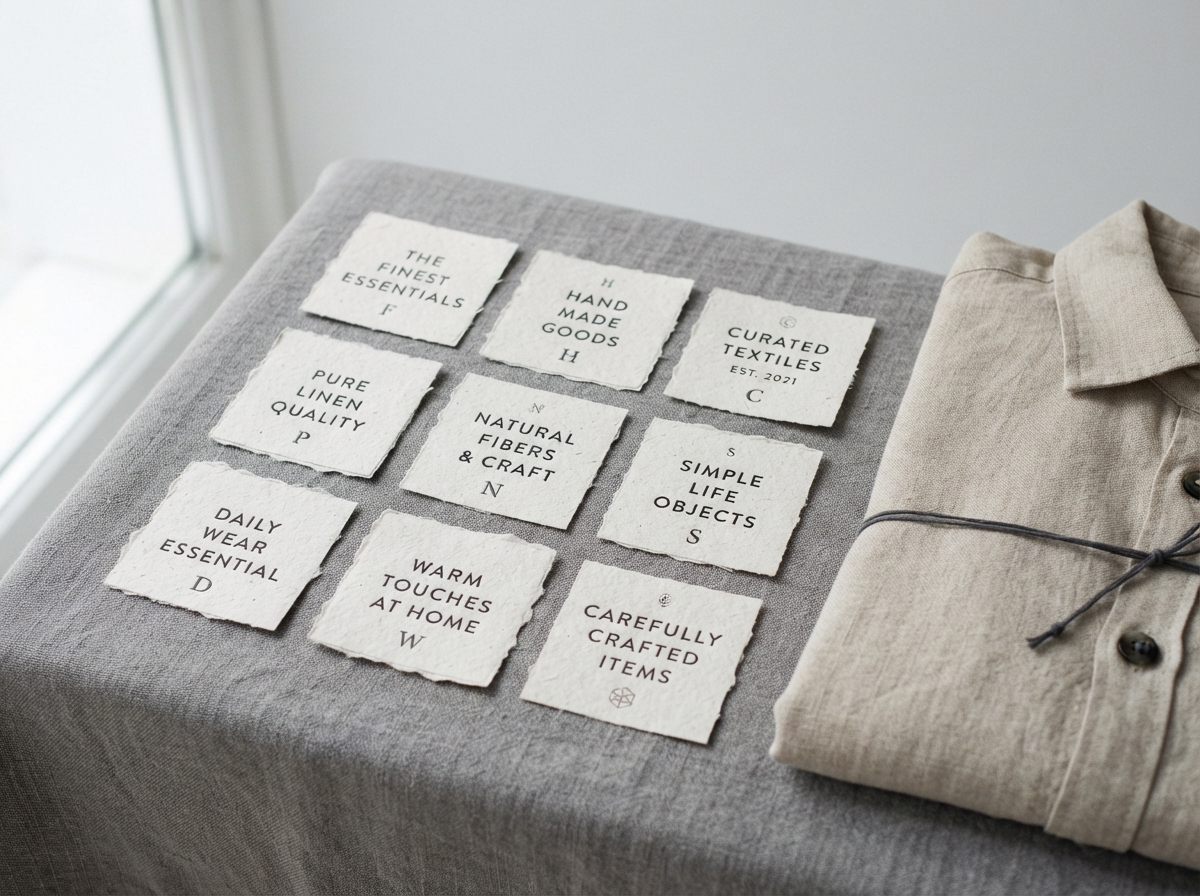
The material you choose for your labels dictates how they feel against the skin and how they hold up over time. Many designers prefer soft polyester or satin for items meant to touch the skin directly. These materials reduce irritation for the wearer. In contrast, heavier cotton or twill tapes provide a sturdy, high-quality look for outerwear or denim. You should consider the wash-fastness of the material as well. If a label fades or frays after two washes, it reflects poorly on your brand. At HiLabels, we emphasize that the physical quality of the label matches the quality of the garment it sits upon.
Design and Readability Strategies
Clarity remains the most important factor in a functional design. You must choose a font size and type that remains readable even after multiple wash cycles. Simple, sans-serif fonts often work best for small spaces. Furthermore, international standards often dictate the use of specific care symbols. Referring to ISO standard 3758 helps you choose the correct symbols for washing, bleaching, and drying. If you incorporate your brand logo onto the same tag, ensure it does not crowd the essential instructions. A clean layout ensures that the user finds what they need immediately without distraction.
Placement and Attachment Methods

Where you place your tags matters as much as the content printed on them. Most consumers prefer labels located at the center back of the neck or inside the side seam of the lower torso. You should sew these labels securely using high-quality thread to prevent them from detaching or becoming uncomfortable. Some brands choose flat-lay labels to minimize bulk, while others prefer loop folds for a softer finish. Consider how the tag interacts with the seams of the garment during the production process. A well-placed label finishes the garment and signals a professional, intentional approach to your production.
Finalizing Your Label Decisions
Once you verify your compliance and finalize your design, you are ready for production. Take the time to test samples before ordering large quantities. You want to see how the ink holds up during a test wash and how the material feels after it goes through a dryer. Careful planning prevents costly mistakes later in the supply chain. If you are ready to produce professional-grade tags that align with your brand vision, visit https://hilabels.com to explore your options.
Frequently Asked Questions
Do I need to include symbols on every label? Yes, clear care symbols help consumers identify washing needs quickly and meet international standards.
What is the best way to attach labels? We recommend sewing them into the side seam or neck seam with durable, non-irritating thread.
How can I ensure my labels stay soft? Using high-quality, garment-friendly materials like soft-edge polyester ensures the labels do not scratch the wearer.
Are there specific rules for selling overseas? Yes, different regions have specific labeling laws. Always check the regulations for your target market.


