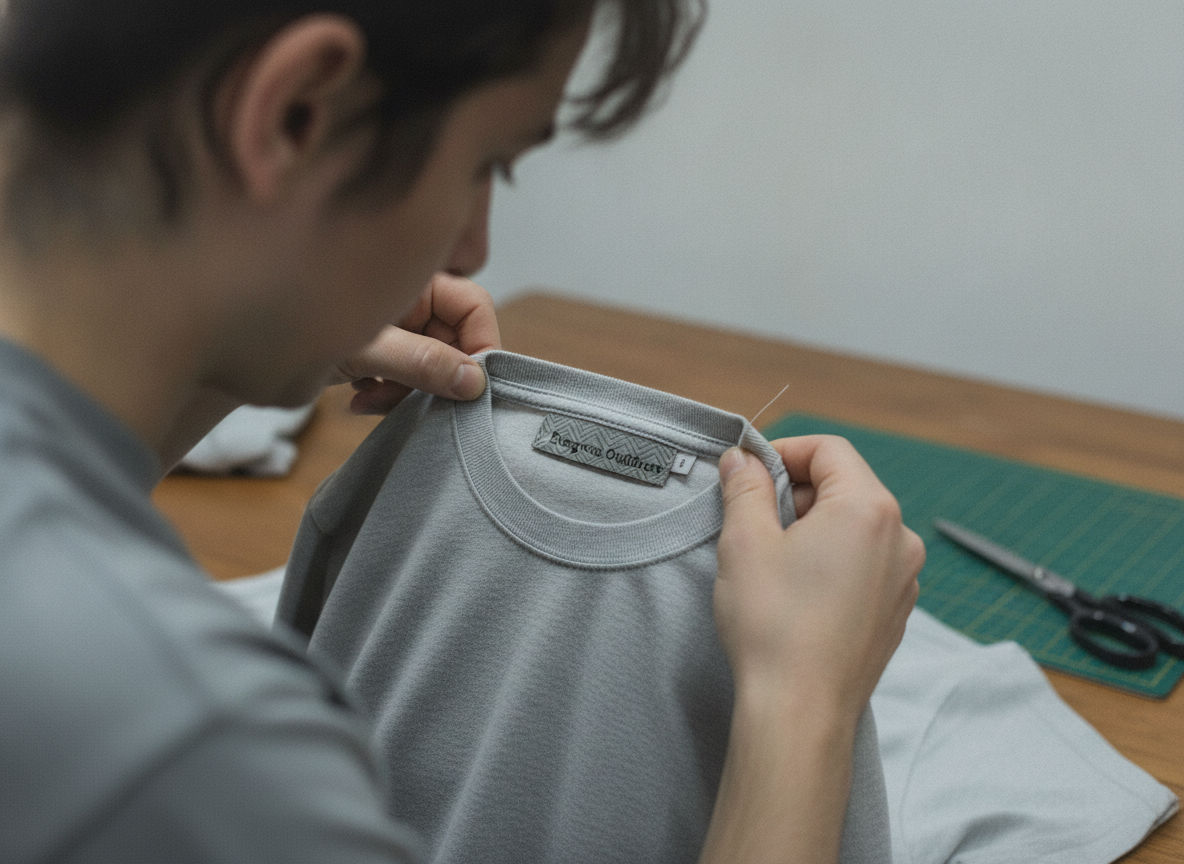
Establishing a strong brand presence in the competitive apparel industry involves many critical decisions. Among them, understanding how to get clothing tags made correctly stands as a foundational step for any fashion brand or small business. These small, often overlooked, elements are not merely functional; they communicate your brand's identity, quality, and commitment to your customers. Furthermore, they carry essential information required by law.
Creating custom clothing tags involves more than just slapping a logo onto fabric. It demands careful consideration of materials, design, content, and the manufacturing process. This comprehensive guide provides practical advice and actionable insights. You will learn to navigate the complexities and ensure your custom clothing tags perfectly represent your brand and meet all necessary standards.
Why Getting Your Clothing Tags Right Matters (Beyond Compliance)
Custom clothing tags serve several vital purposes. They extend far beyond simple legal compliance. Primarily, they act as miniature billboards for your brand. A high-quality tag enhances your garment's perceived value, therefore making a lasting impression on your customers. Moreover, a well-designed tag communicates professionalism and attention to detail. Consequently, customers often associate good tags with overall product quality.
Beyond branding, clothing tags provide crucial information. They detail fiber content, country of origin, and essential care instructions. These details help consumers properly care for their garments, extending the life of the product. Furthermore, specific regulations govern this information in many regions. For instance, the U.S. Federal Trade Commission (FTC) enforces strict rules regarding care labeling. You can review the FTC's comprehensive guidance on complying with the Care Labeling Rule to ensure you meet these requirements. Brands must also adhere to the Textile Fiber Products Identification Act, which mandates disclosure of fiber content and manufacturer identity. You can find more details about these specific requirements through the FTC's guidance on textile and wool acts.
Poorly made or inaccurate tags can lead to consumer dissatisfaction, product returns, and even legal issues. Conversely, tags made right foster trust and loyalty. They ultimately strengthen your brand's reputation in the marketplace. Therefore, prioritizing the quality and accuracy of your tags is an investment in your brand's future success.
Choosing the Right Type of Custom Clothing Tag
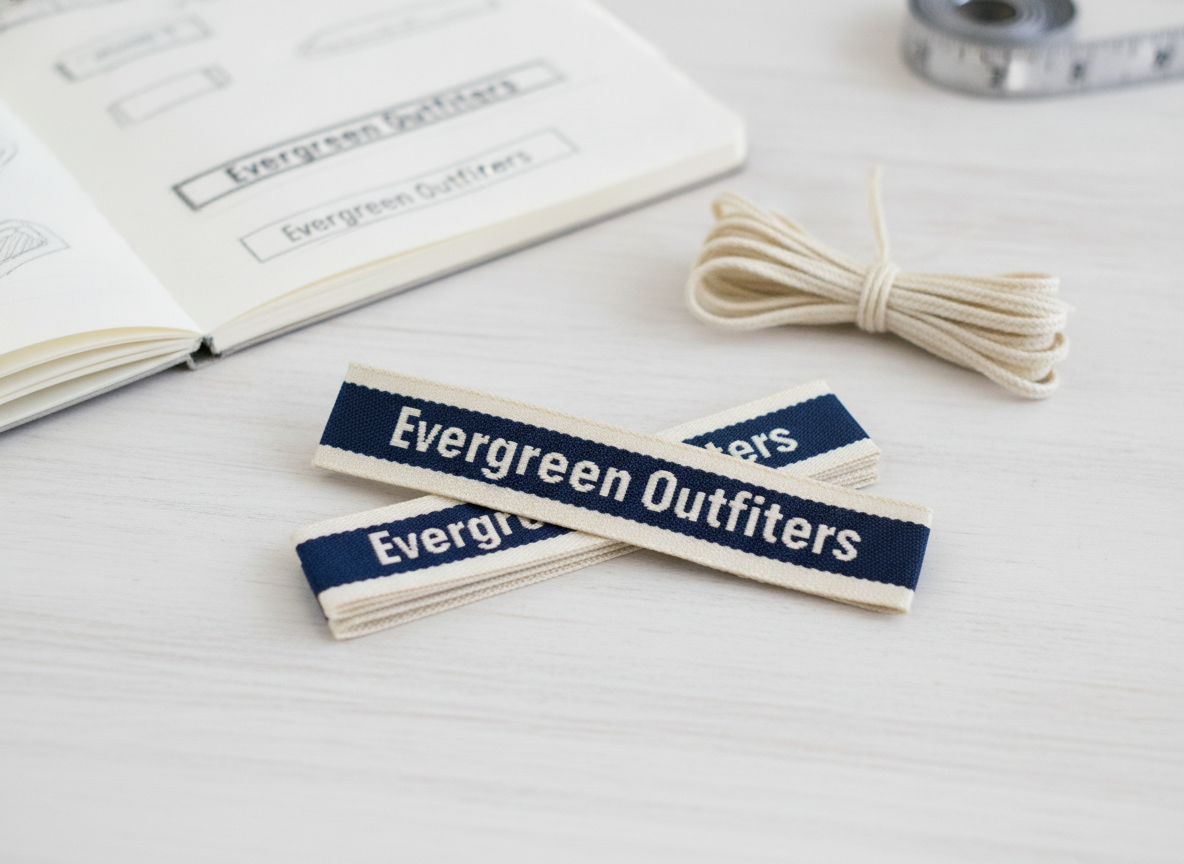
The type of custom clothing tag you select significantly impacts both aesthetics and functionality. Several popular options exist, each offering distinct advantages. Understanding these differences helps you make an informed decision for your specific products and brand identity.
Woven Labels: Many brands consider woven labels the gold standard for durability and a premium feel. Manufacturers create them on specialized looms, weaving your design directly into the fabric. This process results in a high-definition, long-lasting tag that resists fading and fraying. Woven labels offer exceptional tactile quality. They often add a sophisticated touch to garments. HiLabels, for example, utilizes European loom quality. This ensures superior craftsmanship and intricate detail for your custom woven labels. They work perfectly for main brand tags, showcasing logos and brand names prominently.
Printed Labels: For intricate designs, gradient colors, or detailed care instructions, printed labels provide an excellent solution. Manufacturers print these labels onto various materials like satin, cotton, or polyester. They offer a cost-effective option for mass production. Printed labels generally present a softer feel against the skin. This makes them ideal for custom care labels or children's clothing where comfort is paramount. However, printed designs can fade over time with repeated washing, especially if not printed with high-quality inks.
Other Tag Options: You might also consider hang tags, which attach to garments with string or a plastic fastener. These offer extensive space for branding, pricing, and product storytelling. Additionally, custom patches can serve as external branding elements, adding texture and visual interest to outerwear, bags, or accessories. Ultimately, your choice depends on your brand's aesthetic, budget, and the specific needs of your garments.
Essential Design and Content for Your Clothing Tags
Designing your clothing tags requires careful attention to both visual appeal and regulatory compliance. Every element you include contributes to the tag's effectiveness and legal standing. Therefore, planning content and design together helps create a cohesive and compliant product.
Key Information to Include
First and foremost, your tag needs your brand's logo or name. This establishes immediate recognition. Furthermore, care instructions are mandatory for most garments. Use clear, internationally recognized symbols where possible, often supplemented with text. These symbols communicate washing, drying, ironing, and bleaching instructions effectively. Additionally, you must list the fiber content. For example, a tag might state "100% Cotton." For brands using sustainable materials, mention certifications such as Better Cotton to highlight your commitment to ethical sourcing. You must also specify the country of origin. This informs consumers where the garment was manufactured. Finally, include sizing information. This helps customers choose the correct fit.
Design Elements and Practicality
Consider the tag's size and shape. Tags should be proportionate to the garment without being obtrusive. A larger item, like a coat, can accommodate a bigger tag than a delicate blouse. Also, choose a font that is legible and complements your brand's aesthetic. Small text in a complex font quickly becomes unreadable. Color choice also plays a significant role. High contrast colors ensure readability, while subtle tones can convey elegance. Furthermore, consider the tag's fold type. End-fold labels are sewn into a seam at both ends, whereas loop-fold labels create a loop that can be sewn into a seam or hung. A center-fold label folds in half, allowing information on both sides. HiLabels offers comprehensive options for custom woven labels and custom care labels, guiding you through these choices to achieve the best outcome.
Navigating the Custom Tag Production Process
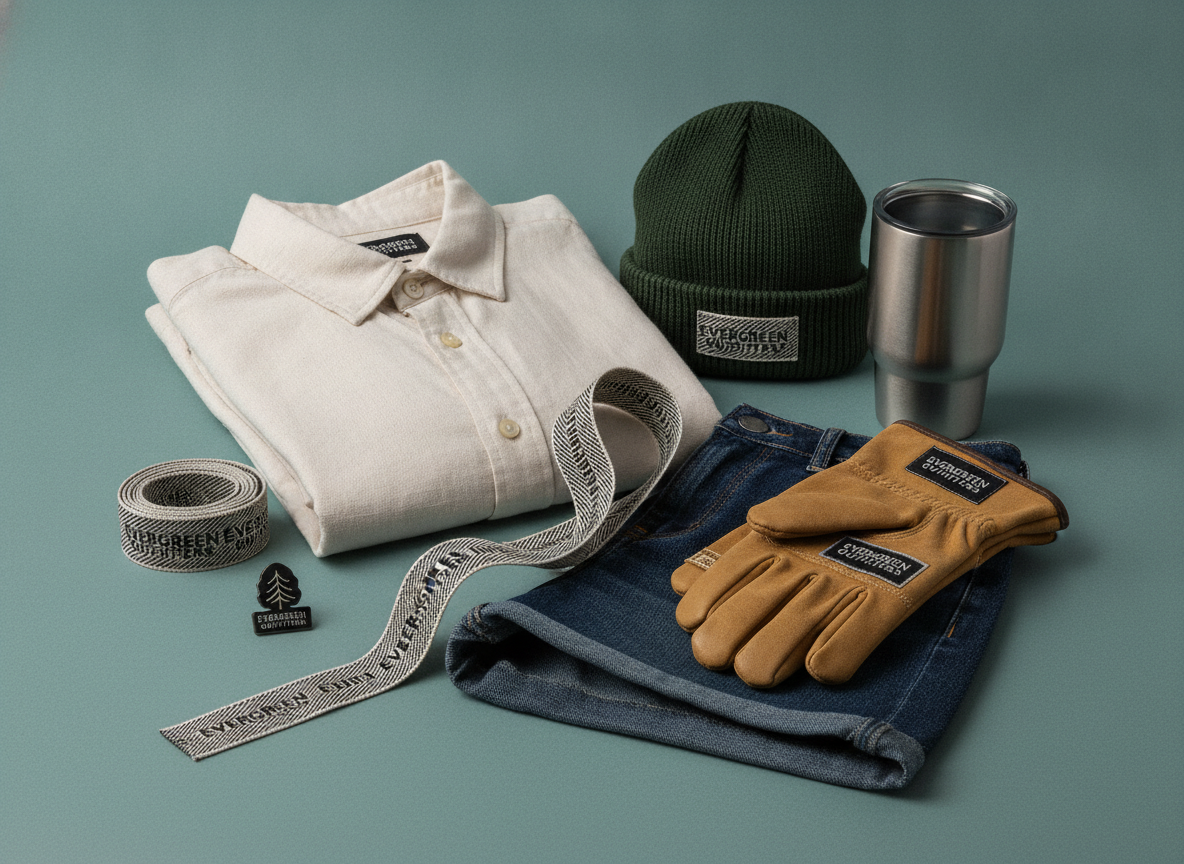
Understanding the production journey for your custom clothing tags helps you anticipate timelines and ensure a smooth experience. It involves several distinct stages, each critical to the final product's quality. Manufacturers like HiLabels streamline this process through decades of experience and robust quality controls.
The process generally begins with artwork submission. You provide your design files, ideally in a vector format, to the manufacturer. This ensures scalability and sharp reproduction. Next, the manufacturer creates digital proofs or physical samples. Carefully review these proofs for accuracy in color, text, and overall design. This sampling stage is crucial. It allows you to catch any errors before full production commences. Always request a physical sample when possible. This lets you assess the material's feel and how the tag will look on your garment.
Then, consider minimum order quantities (MOQs). Most manufacturers set MOQs to make production cost-effective. Plan your order size accordingly to meet these requirements. Furthermore, understand lead times. Production and delivery can take several weeks, especially for intricate woven labels. Factor these timelines into your overall production schedule to avoid delays. HiLabels, with its 30+ years of experience and commitment to European loom quality, handles these details efficiently. They consistently deliver high-quality custom clothing tags. Finally, quality control measures ensure each tag meets your specifications and industry standards. A reputable manufacturer employs rigorous checks throughout the production cycle, guaranteeing consistency and excellence in every batch.
Avoiding Common Mistakes When Making Clothing Tags
Even experienced brands sometimes encounter issues when creating custom clothing tags. Knowing common pitfalls helps you steer clear of them. Proactive measures save time, money, and potential headaches, ensuring you get clothing tags made right every time.
One frequent mistake involves incorrect care symbols or fiber content information. These errors can lead to non-compliance with regulations, resulting in fines or product recalls. Always double-check all regulatory information. Also, verify it with official guidelines like those from the FTC. Another pitfall is poor legibility. Choosing a font that is too small, too ornate, or uses low contrast colors makes the tag difficult to read. This frustrates customers and diminishes the tag's functional value. Furthermore, some brands opt for low-quality materials to save costs. However, cheap materials often fray, fade, or irritate the skin. This compromises your brand's image and the garment's longevity. Invest in durable, high-quality materials from the outset.
Misunderstanding minimum order quantities (MOQs) or lead times also causes problems. Placing a rush order when the lead time is long can result in delays or higher costs. Always confirm these details with your manufacturer early in the process. Finally, neglecting to review physical samples thoroughly can lead to costly rework. A digital proof never fully conveys the texture, color accuracy, or overall feel of a physical tag. Always take the time to inspect samples. Address any concerns before approving bulk production. By avoiding these common errors, you effectively streamline your production and ensure your clothing tags meet your high standards.
Frequently Asked Questions About Custom Clothing Tags
Q: What is the difference between woven and printed labels?
A: Woven labels are created by weaving threads together to form the design. They offer superior durability, texture, and a premium feel. Printed labels, however, involve printing a design onto a material. They typically provide higher detail for intricate graphics and are more cost-effective for large quantities, though they may fade over time.
Q: Do I need special software to design my clothing tags?
A: You generally need graphic design software like Adobe Illustrator or CorelDRAW to create vector-based artwork for your tags. Most manufacturers prefer vector files (AI, EPS, PDF) as they ensure the highest quality reproduction without pixelation. If you lack design skills, many manufacturers also offer design services.
Q: How long does it take to get custom clothing tags made?
A: Production times vary based on the complexity of your design, the type of label, and the manufacturer's schedule. Generally, after artwork approval and sampling, production can take anywhere from 2 to 6 weeks. Always confirm lead times with your specific supplier.
Q: Are there legal requirements for clothing tags?
A: Yes, many countries have specific regulations regarding textile labeling. These often include requirements for fiber content, country of origin, and care instructions. For example, in the U.S., the FTC's Care Labeling Rule and Textile Fiber Products Identification Act mandate certain information. Always research and comply with local and international regulations relevant to your market.
Q: Can I order a small quantity of custom clothing tags?
A: Most manufacturers have minimum order quantities (MOQs) to ensure efficient production. These can range from 100 to 1,000 pieces or more, depending on the label type and manufacturer. Some suppliers might offer lower MOQs for a slightly higher per-unit cost. Always discuss your specific needs with your chosen provider.
Getting your custom clothing tags made correctly is a strategic decision for any brand. From enhancing your brand's image to ensuring legal compliance, every detail matters. By understanding the types, design elements, and production process, you empower your brand with high-quality, impactful labels. When you are ready to elevate your apparel with expertly crafted custom woven labels and care labels, explore the possibilities at hilabels.com. We help you make your mark with labels that speak volumes about your quality and style.


