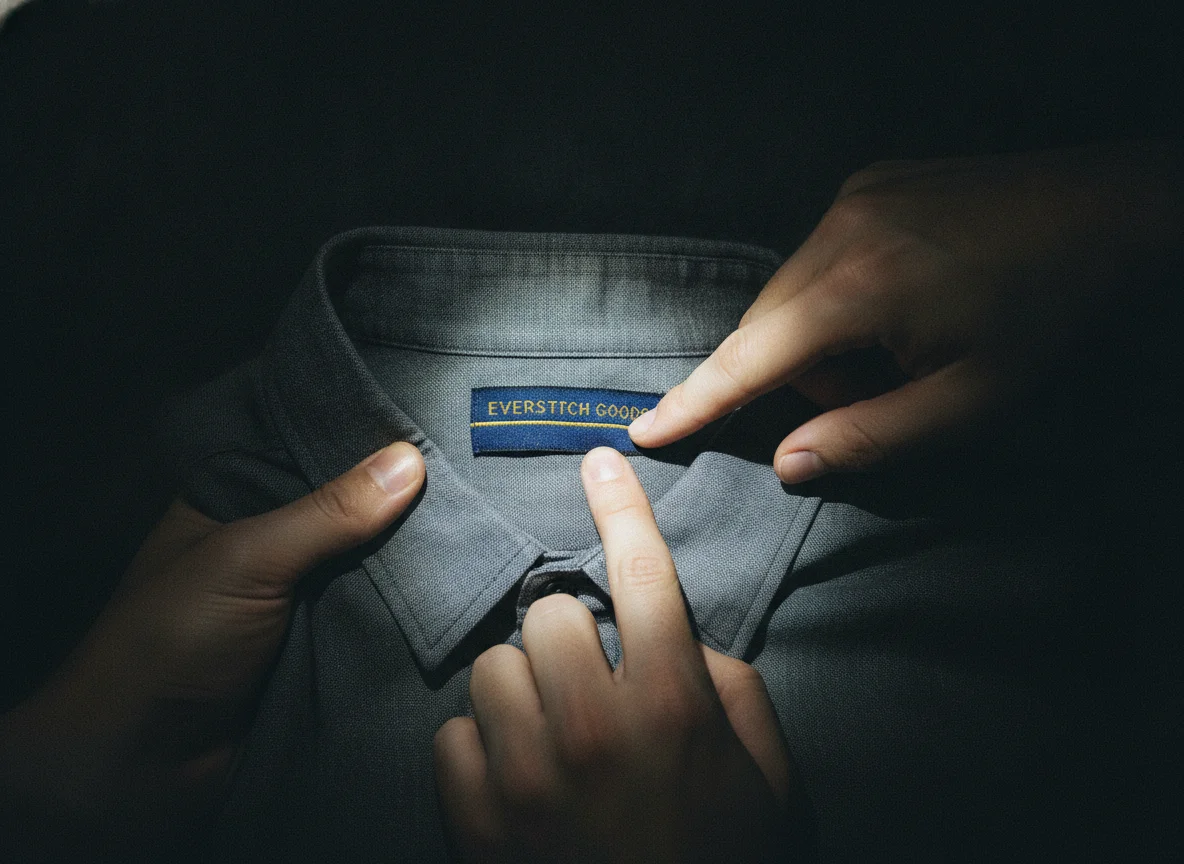
Launching a small business or managing a niche product line presents unique challenges. Especially when it comes to branding, entrepreneurs often face a significant hurdle: minimum order quantities (MOQs). This becomes particularly problematic when sourcing essential components like custom labels. However, the rise of no minimum order woven labels offers a powerful solution for small businesses. These flexible options empower brands to maintain high quality without the burdensome commitment of large inventory.
Many small brands, particularly those focused on handmade goods, limited editions, or seasonal collections, cannot justify thousands of identical labels. Traditional label manufacturers typically demand high MOQs. This forces small businesses to compromise on quality, branding consistency, or their budget. Ultimately, it can stifle growth and creativity. Understanding how to leverage no minimum order woven labels can therefore transform a small business's approach to branding and product development.
The Small Business Dilemma: Why Minimum Orders Create Hurdles
Small businesses operate with tight budgets and often limited storage space. Consequently, traditional manufacturing models, which prioritize economies of scale, rarely align with their needs. When a supplier demands a minimum order of 1,000 or even 5,000 labels, a startup might hesitate. This large upfront investment ties up valuable capital. Furthermore, it creates a significant inventory risk if a product line does not perform as expected. Many new entrepreneurs simply cannot afford such a gamble.
Consider a designer launching a capsule collection. They might only produce 50 units of a particular dress. Ordering 1,000 labels for this small run means 950 labels go unused. This represents wasted money and materials. Additionally, it limits their ability to experiment with new designs or adapt quickly to market trends. They are stuck with a massive surplus of a single label style. This financial and creative rigidity can prevent innovative businesses from ever taking off. Moreover, it forces many to settle for generic, less impactful branding methods.
Cash Flow and Inventory Risk for Growing Brands
Cash flow is the lifeblood of any small business. Large MOQs for woven labels directly impact this. Funds spent on excessive label inventory cannot be invested elsewhere, such as marketing, product development, or equipment upgrades. This creates a bottleneck, slowing down overall business growth. Moreover, holding excess inventory comes with its own costs. You need space to store it, and there is a risk of damage or obsolescence. Many small businesses simply lack the infrastructure to manage this efficiently. Therefore, finding flexible solutions becomes paramount for sustainable growth.
For instance, an artisan making bespoke leather goods may only produce a few pieces each month. Each item is unique. They need a custom label that reflects their craftsmanship. However, a high MOQ makes this impossible without significant financial strain. Such situations highlight the urgent need for adaptable sourcing strategies. Businesses need partners who understand their scale and support their ambition without imposing prohibitive barriers. The U.S. Small Business Administration (SBA) offers resources for managing finances and business planning, highlighting the importance of careful budgeting for new ventures. (sba.gov)
Empowering Growth with No Minimum Order Woven Labels
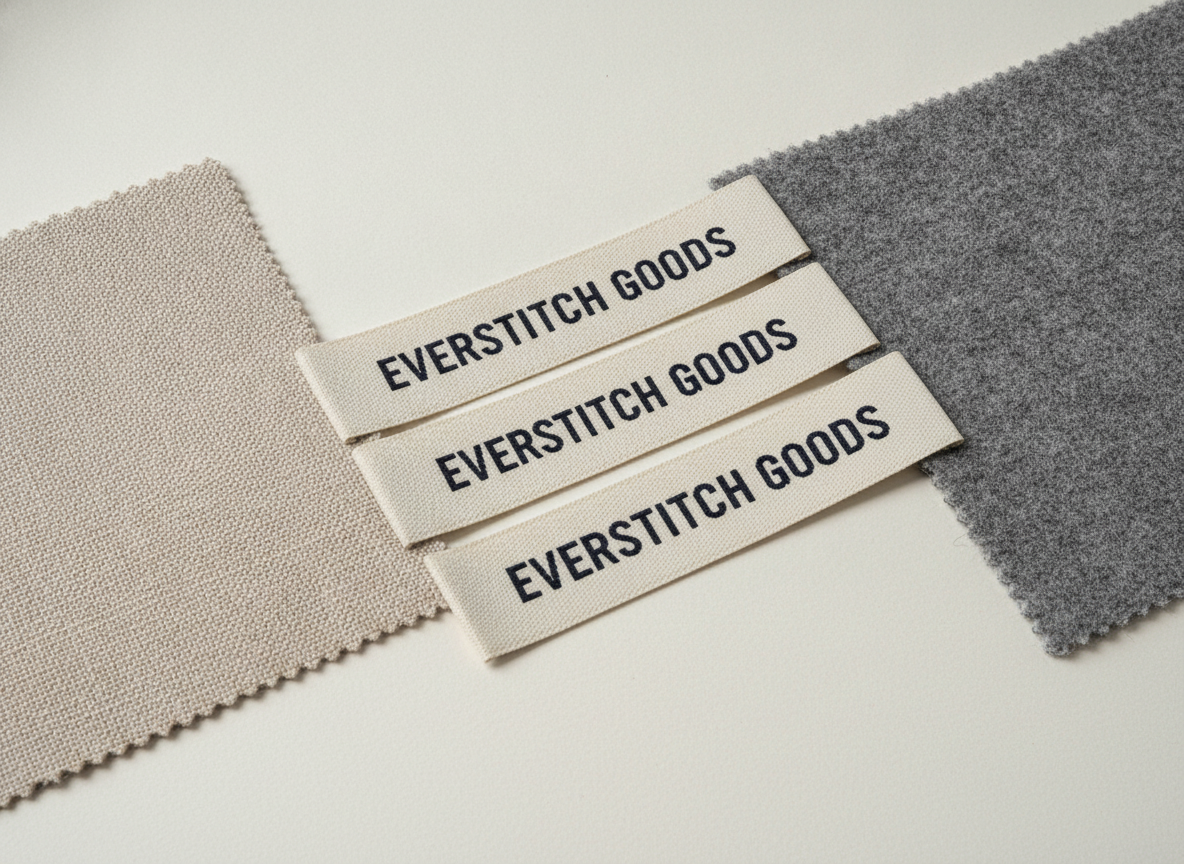
No minimum order woven labels offer a liberating alternative for small businesses. This approach removes the barriers associated with traditional bulk orders. It allows brands to order exactly what they need, when they need it. This significantly reduces upfront costs and eliminates inventory waste. Furthermore, it opens up a world of creative possibilities previously unavailable to smaller players.
With low or no minimums, small businesses can truly embrace agility. They can test new product lines or design variations without a major financial commitment. Imagine launching a limited-edition collaboration. You can order a small batch of unique labels specifically for that project. This enhances the product's exclusivity. It also allows you to gauge customer interest before scaling up. This flexibility fosters innovation and reduces risk, which are crucial for early-stage brands. HiLabels understands these needs, offering European loom quality labels without daunting minimums. Therefore, we empower small brands to achieve premium branding from day one.
Unleashing Creativity and Reducing Waste
The ability to order small quantities directly translates into greater creative freedom. Designers can experiment with different label designs, color palettes, and messages for various products or collections. This allows for a more nuanced and responsive brand identity. For example, a children's clothing brand might use different character labels for various age groups, or a sustainable fashion brand might create unique labels highlighting specific eco-friendly materials used in each garment.
Furthermore, no minimum orders align with sustainable business practices. By ordering only what is needed, companies minimize waste from unused labels. This reduces their environmental footprint. Many conscious consumers appreciate brands that demonstrate such commitment. Consequently, this approach not only benefits the business financially but also enhances its ethical appeal. The Craft Industry Alliance discusses similar sustainable practices for makers (craftindustryalliance.org). This further illustrates how small batches support responsible production.
Selecting the Right Partner for Your No Minimum Order Labels
When seeking no minimum order woven labels, not all suppliers are created equal. Quality, experience, and customization options remain critical factors. You need a partner who understands the nuances of textile branding. Look for a company with a proven track record, even for small runs. This ensures your labels meet high standards for durability, aesthetic appeal, and consistency.
Consider the manufacturing process itself. European loom quality, for example, denotes a superior weaving technique. This results in labels with finer detail, richer colors, and exceptional durability. Such quality makes a significant difference in how your brand is perceived. It reflects attention to detail and a commitment to excellence. Additionally, a reliable partner should offer a wide range of materials, finishes, and folding options. This allows you to achieve the exact look and feel you envision for your products. HiLabels, with over 30 years of experience, provides this European loom quality, ensuring your small orders receive the same meticulous attention as large ones.
What to Look For in a Supplier
Beyond quality, assess a supplier's customization capabilities. Can they accurately reproduce your logo and design elements? Do they offer a variety of thread colors? Is their customer service responsive and helpful, especially for design iterations or questions about materials? A good partner will guide you through the process, offering expert advice from design to delivery. They should provide clear communication and realistic timelines. This prevents frustration and ensures a smooth experience.
Furthermore, inquire about their design submission requirements and proofing process. A seamless workflow, including digital mock-ups, ensures accuracy. This minimizes costly mistakes. Many small businesses, particularly those selling handmade goods on platforms like Etsy, benefit greatly from suppliers who streamline these steps. The Etsy Seller Handbook emphasizes strong branding for customer perception. Therefore, high-quality, accurately produced labels are essential for conveying professionalism.
Streamlining Your Label Order Process: Tips for Small Runs
Ordering no minimum order woven labels requires a thoughtful approach, even with fewer constraints. Effective planning ensures you get the best results for your brand. Start with a clear vision for your label's design. This includes your logo, brand colors, and any specific text or symbols. Remember that woven labels are not printed. The design translates into threads. Therefore, simpler designs often yield cleaner, more legible results.
Prepare your artwork correctly. Most manufacturers require vector files (AI, EPS, PDF). This ensures scalability without loss of quality. If you are unsure about file formats, your chosen label partner should offer guidance or even design assistance. Always review digital proofs carefully. Check for correct colors, spelling, size, and overall placement. Even small errors can be costly, even on a small run. A meticulous review process guarantees satisfaction with the final product. It also builds confidence in your supplier. This makes future reorders straightforward.
Material and Folding Considerations for Your Labels
Selecting the right material and folding style is crucial for your woven labels. Material choices impact the label's feel, drape, and durability. Common options include taffeta, satin, and damask. Damask offers the finest detail and softest feel, making it ideal for high-end garments. Satin provides a luxurious sheen, while taffeta is a more economical, yet durable, choice. Consider how the label will interact with your product's fabric. You want it to enhance, not detract from, the garment.
Folding styles also play a significant role in application and aesthetics. Common folds include straight cut, end fold, center fold, and miter fold. A straight cut label is sewn flat on all four sides. An end fold creates neat, finished edges, often used for neck labels. Center fold labels loop over, providing space for information on both sides. Understanding these options helps you choose the most practical and visually appealing solution for your product. Furthermore, HiLabels offers guidance on selecting the perfect material and fold for your custom woven labels. This ensures your brand identity truly shines.
FAQ About No Minimum Order Woven Labels
- Q: What are the main benefits of no minimum order woven labels for a small business?
- A: They offer unparalleled flexibility, significantly reduce upfront costs, eliminate inventory waste, and allow for extensive design experimentation. Small businesses can order only what they need, supporting cash flow and agile product development.
- Q: Do no minimum order labels compromise on quality?
- A: Not at all. Reputable suppliers like HiLabels provide the same high-quality European loom woven labels regardless of the order size. Quality standards remain consistent, ensuring professional results for every batch.
- Q: Can I get different designs for small batches?
- A: Yes! This is one of the primary advantages. You can order small quantities of different label designs for various products, limited editions, or seasonal collections without committing to large quantities of any single design.
- Q: What information should I have ready when ordering?
- A: Prepare your logo or design in a vector file format (AI, EPS, PDF), specify your desired dimensions, preferred material (e.g., damask, satin), folding style, and thread colors. A clear vision and accurate artwork ensure a smooth ordering process.
Embracing no minimum order woven labels represents a smart strategic move for any small business. It enables superior branding without the financial strain or inventory risks of large-scale production. This flexibility allows your brand to innovate, adapt, and grow confidently. Start building a stronger brand identity today. Visit hilabels.com to explore your options and create custom woven labels that truly reflect your unique vision.


