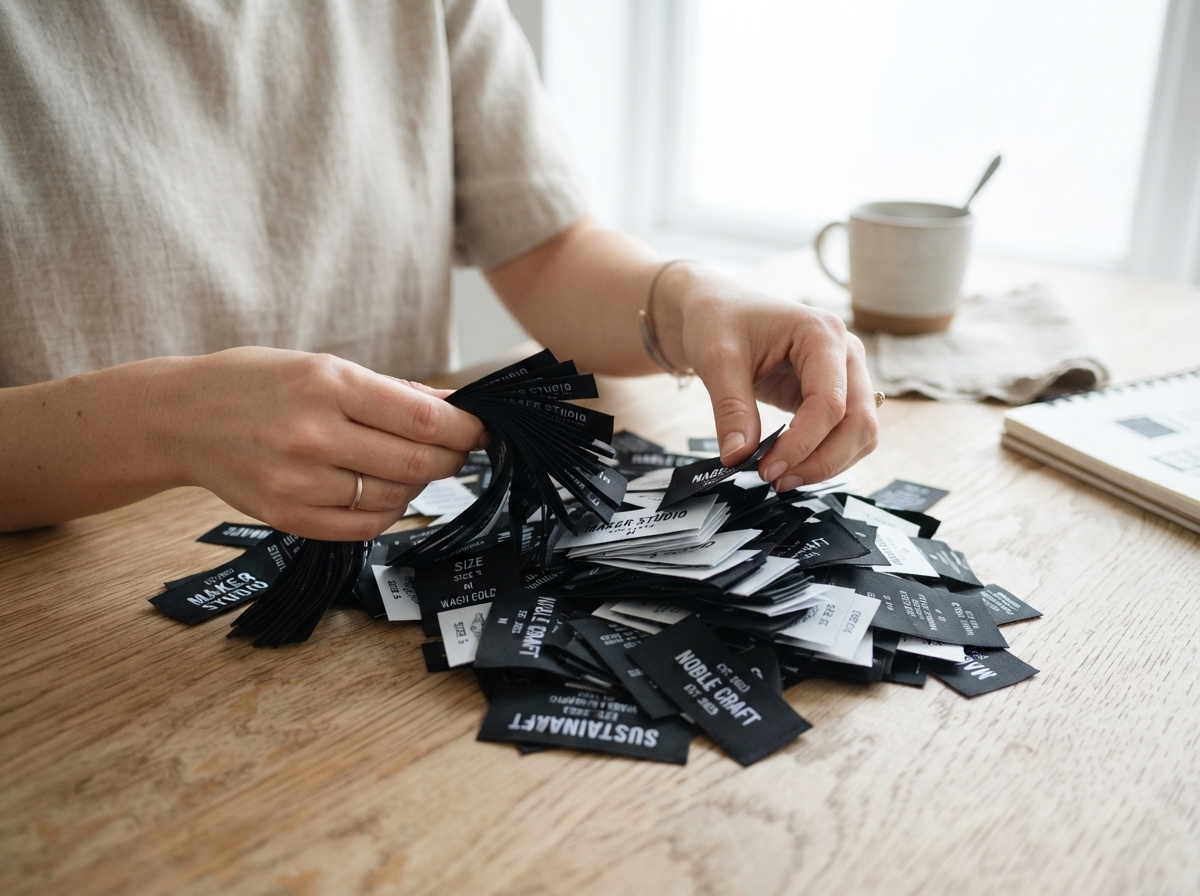
Navigating small batch clothing label production requires a strategic approach to balance professional aesthetics with tight inventory budgets. Many emerging designers face the challenge of sourcing high-quality branding elements without committing to massive minimum order quantities. Consequently, planning your labeling strategy early saves both time and capital as your business grows.
Effective Planning for Label Inventory
You should assess your production volume before placing any orders. Inventory management often determines the success of a new clothing line. Ordering too many units ties up cash flow, while ordering too few leads to costly production delays. Therefore, consider your projected growth over the next six months. You can often find flexible options for custom woven labels that allow for professional branding at manageable scales.
Building a solid foundation for your business involves understanding your legal obligations as well. For instance, you should review the FTC guidance on complying with the Care Labeling Rule to ensure your garments meet federal standards. This prevents potential legal issues and builds trust with your customers. Furthermore, if you plan to sell on digital marketplaces, check the Etsy Seller Handbook for specific advice on branding and packaging consistency for small-scale operations.
Choosing the Right Branding Elements
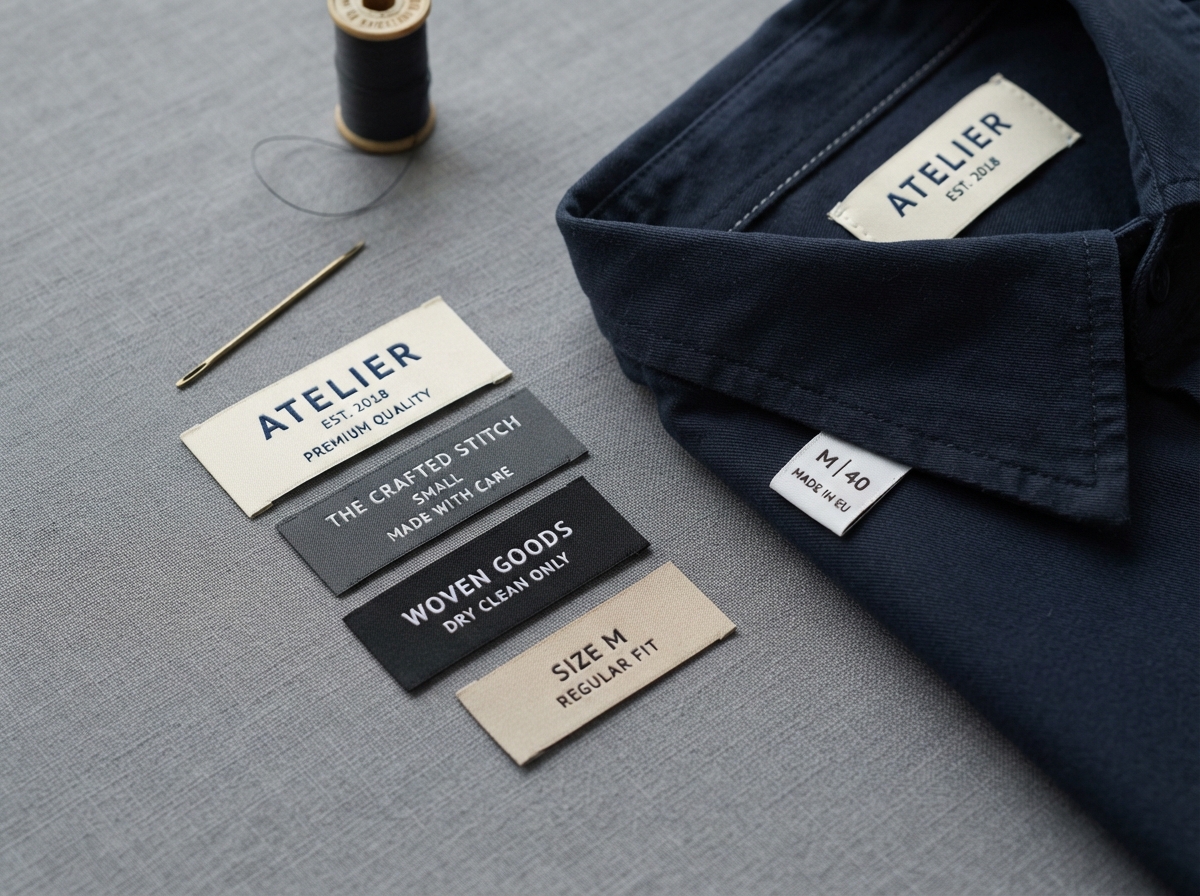
Your choice of trims communicates your brand values instantly. Small batch clothing label production allows you to experiment with different textures and finishes. Woven labels offer a premium feel that enhances the perceived value of your garments. Additionally, consider how different materials like recycled polyester or cotton blends align with your sustainability goals.
Functionality remains just as important as aesthetics. Think about the placement of your labels to ensure comfort for the wearer. A neck label that irritates the skin undermines even the most beautiful garment design. If you need help choosing the right finish for your specific fabric type, feel free to visit HiLabels to browse our range of professional-grade options.
Managing Production Consistency
Maintaining a cohesive look across your entire collection helps establish brand recognition. You should strive for consistency in color, font, and size for all your branding elements. Even in small batch clothing label production, small variations can distract from the professionalism of your pieces. Consequently, aim to work with partners who provide reliable, repeatable results every time you place a reorder.
Additionally, keeping a detailed log of your production batches helps you track quality control. If you notice a recurring issue, you can trace it back to the specific run. This level of organization simplifies the process as you eventually transition into larger manufacturing runs. Being meticulous with your records now sets you up for smoother operations later on.
Scaling Your Operations Responsibly
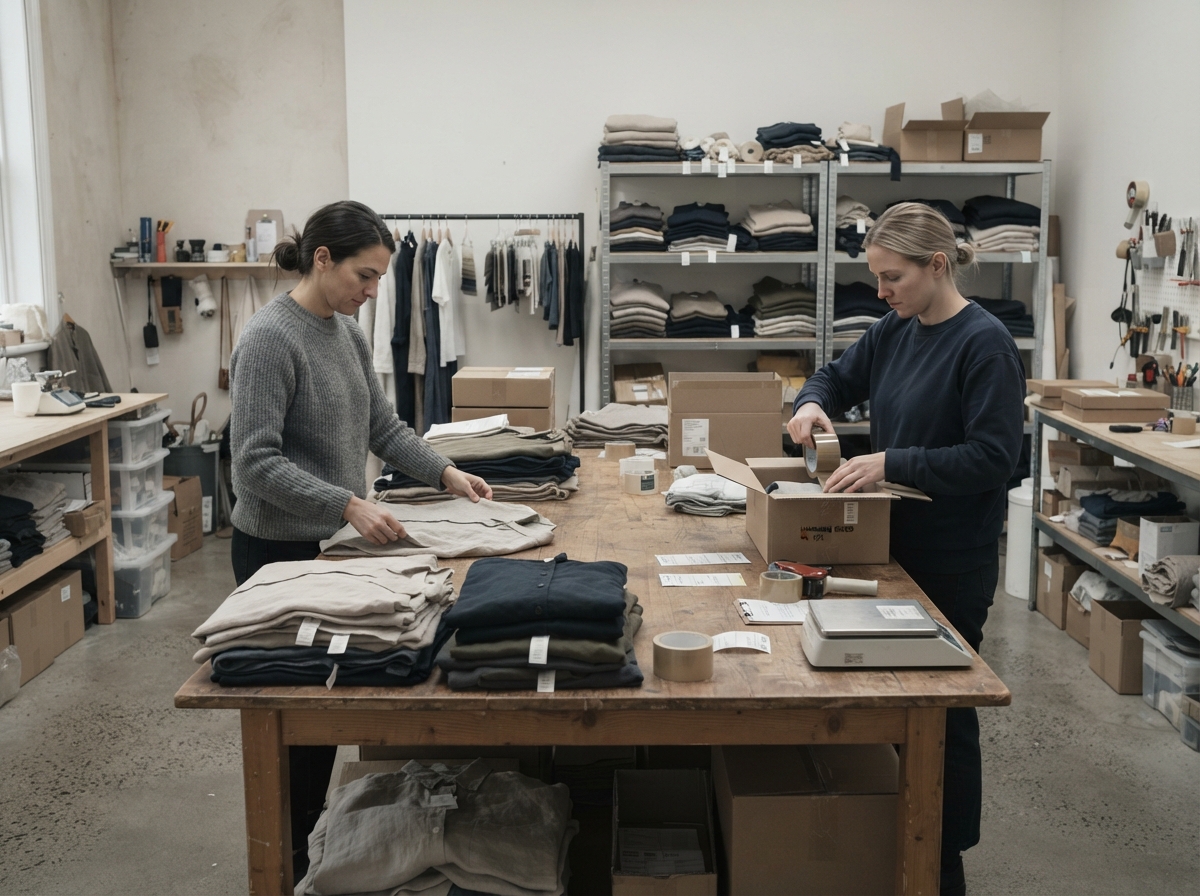
Transitioning from a DIY setup to professional small batch clothing label production marks a significant milestone for any brand. However, you must remain agile. You might find that your design needs evolve as you reach new customer demographics. Therefore, avoid overly complex designs that prove difficult to reproduce at higher volumes later. Simplicity often keeps costs low and quality high.
As you scale, you may also want to explore additional customization options. Perhaps your collection requires unique zipper pulls or custom hang tags to stand out in a competitive market. Integrating these elements slowly allows you to monitor how they affect your overall production costs. You can always refine your strategy as you gather more feedback from your community.
Frequently Asked Questions
What is the typical minimum for small batch clothing label production? Many manufacturers offer low minimums specifically for startups, often ranging from 100 to 500 pieces, depending on the complexity of the design.
How do I ensure my labels meet legal requirements? You must include specific information such as country of origin, fiber content, and care instructions to comply with federal regulations. Refer to official government resources to stay informed.
Can I use the same label design across different garment types? Yes, consistent branding is encouraged. However, ensure the label size remains proportional to the specific garment type for a balanced look.
When should I order my custom labels? Order your labels before you finalize your garment sewing process to ensure they are ready for the assembly stage, preventing unnecessary hold-ups.
Ready to elevate your brand with professional-grade trims? Explore our catalog of woven labels and other essentials for your next collection at https://hilabels.com and discover how we help brands scale effectively.


