
Integrating unique elements into garments enhances their appeal and tells a compelling brand story. Far from simple decorative accents, ribbons offer a versatile medium for creative expression and functional enhancement. Many designers and manufacturers explore diverse uses for custom woven ribbons, transforming ordinary garments into distinctive pieces. These personalized touches elevate the perceived value and memorability of clothing, moving beyond basic aesthetics to create a deeper connection with the wearer. Understanding how to incorporate them smartly can redefine a brand's presence in the market.
This guide explores innovative and practical methods for adding woven ribbons to garments. We focus on strategic placement, design ingenuity, and quality considerations that ensure both beauty and longevity. You will discover how ribbons can serve multiple purposes, from subtle branding to striking visual statements, all while maintaining the integrity and comfort of the apparel.
The Transformative Power of Woven Ribbons in Garment Design
Woven ribbons possess a unique tactile and visual quality, setting them apart from printed alternatives. Their construction allows for intricate designs, rich textures, and durable finishes that withstand wear and washing cycles. Consequently, designers often choose them for elements requiring a premium feel and lasting impression. The inherent strength of woven materials also means these ribbons can serve structural purposes, such as reinforcing seams or creating secure closures.
Beyond their practical benefits, custom woven ribbons offer immense potential for brand storytelling. A carefully chosen ribbon, perhaps featuring a repeating motif or a subtle brand name, conveys attention to detail and a commitment to quality. This small yet significant detail subtly communicates a brand's ethos to the consumer. For example, a delicate silk-like ribbon might suggest luxury, while a sturdy cotton twill tape could evoke a sense of craftsmanship and durability. Therefore, selecting the right material and weave is crucial for aligning the ribbon's message with the overall brand identity. These thoughtful additions create a more cohesive and sophisticated product.
Strategic Placement: Where to Add Custom Woven Ribbons for Impact
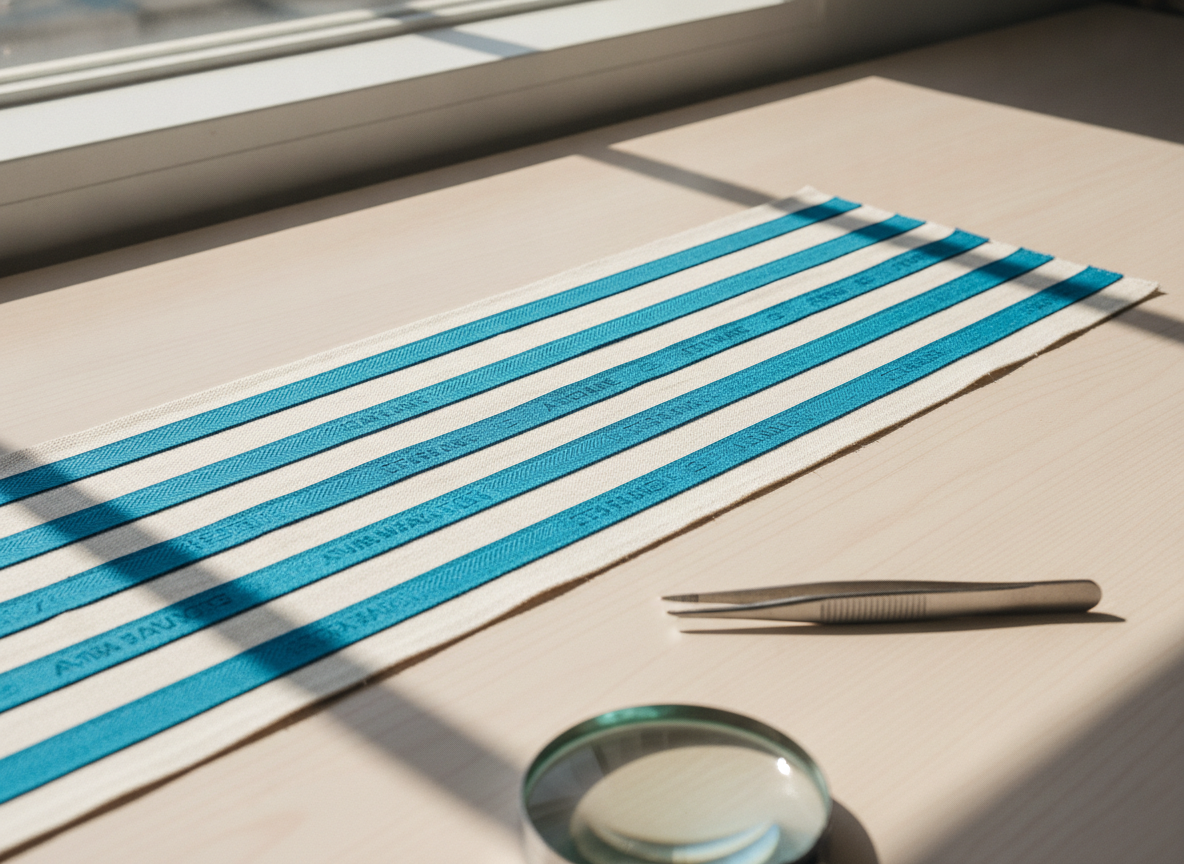
The placement of a woven ribbon dramatically influences its effect on a garment. Thoughtful integration can elevate a design, whereas haphazard application might detract from it. Consider the garment's overall silhouette and purpose when deciding where to place your custom woven ribbons.
- Hem and Cuff Accents: Adding a narrow woven ribbon along the hem of a skirt or the cuff of a sleeve introduces a refined border. This technique works especially well for blouses, dresses, or even denim, providing a subtle pop of color or texture. Furthermore, it creates a clean, finished edge that enhances the garment's perceived quality.
- Waistbands and Drawstrings: Replace generic drawstrings with custom woven ribbons for an instant upgrade. This small change makes a big difference in hoodies, sweatpants, or casual shorts. Similarly, applying a ribbon to the exterior of a waistband can highlight the waistline and add a decorative element, transforming basic bottoms into statement pieces.
- Collar and Neckline Detailing: A woven ribbon can line the inside or outside of a collar, offering a touch of unexpected charm. For example, a contrasting ribbon on the inner collar of a jacket adds a hidden detail that delights the wearer. You might also use it to define a neckline, perhaps as a bow closure or a decorative trim on a boat neck.
- Seam Reinforcement and Decoration: Designers often use ribbons to cover raw seams on the inside of unlined garments. This not only makes the garment more durable but also adds a professional, high-end finish. From a decorative standpoint, a ribbon stitched over an exterior seam can create interesting visual lines and textures, drawing the eye to specific garment features.
Each placement offers a different opportunity to enhance the garment's aesthetic and functional qualities. When you choose to utilize ribbons, think about how they interact with the garment's existing lines and construction.
Exploring Smart Uses for Custom Woven Ribbons: Beyond Embellishment
While often seen as purely decorative, uses for custom woven ribbons extend far into functional and branding territory. Innovative designers harness ribbons to solve practical problems, enhance user experience, and reinforce their brand narrative in subtle yet powerful ways. This strategic approach maximizes the ribbon's potential.
One clever application involves integrating ribbons as hanging loops inside garments, particularly for heavier items like coats or jackets. Instead of a simple fabric loop, a custom woven ribbon with your brand's logo or a distinctive pattern adds a touch of luxury and strengthens the brand image even in unseen areas. This also provides a more robust and attractive hanging solution. For brands focusing on sustainability or unique sizing, ribbons can also convey specific messages, like a call to action or a special edition number.
Moreover, designers frequently employ ribbons for unique closure systems. Think of a delicate dress with ribbon ties at the shoulders or a cardigan that fastens with elegant ribbon bows instead of buttons. These closures offer a soft, adaptable fit and introduce a distinctive design element. They move beyond mere fastening to become an integral part of the garment's aesthetic. Additionally, brands use woven ribbons to create unique packaging ties or hang tags, extending the brand experience beyond the garment itself.
Design Considerations for Effective Ribbon Integration
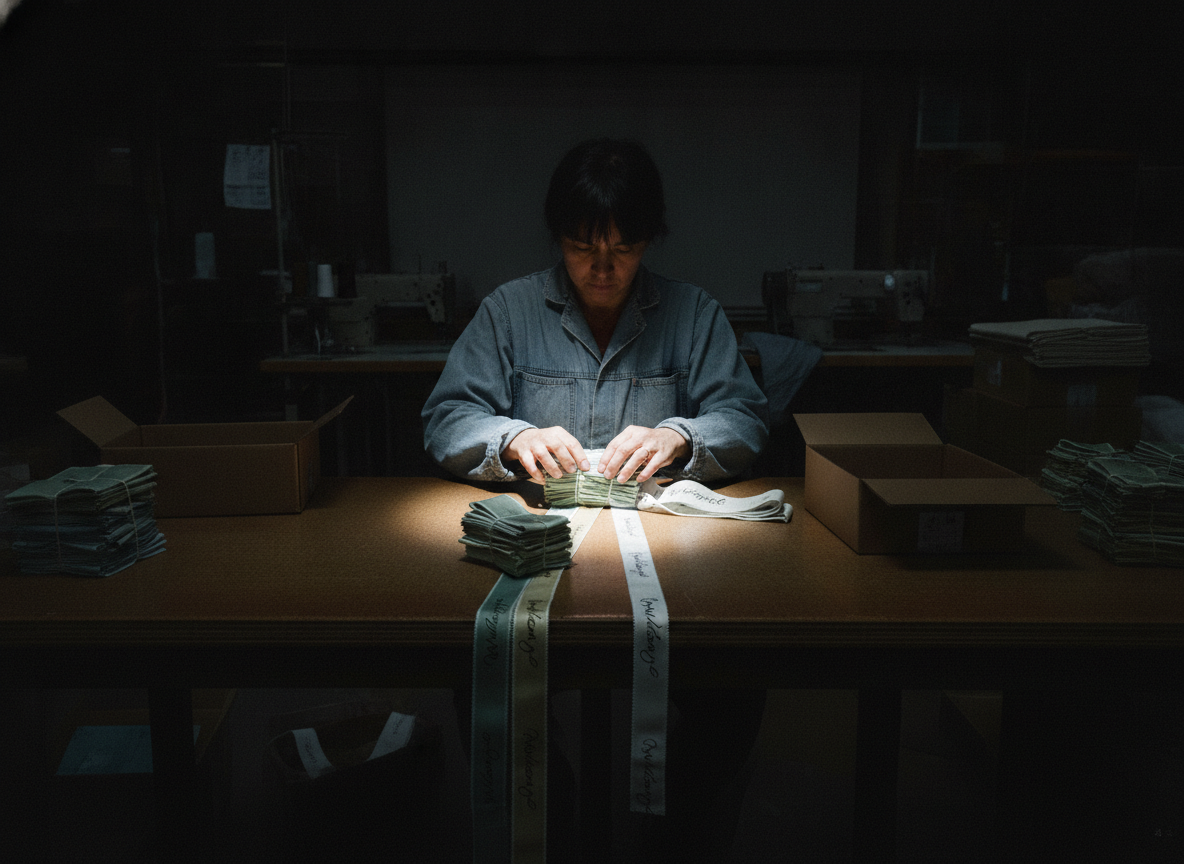
Successful ribbon integration requires careful thought about design elements, material choices, and how the ribbon interacts with the garment. The goal is to achieve harmony, ensuring the ribbon complements rather than competes with the main fabric. Always consider the garment's intended use and care requirements.
First, consider the ribbon's width and texture. A narrow, smooth ribbon works well for delicate garments, offering subtle elegance. In contrast, a wider, textured ribbon, such as a sturdy twill, suits casual wear or outerwear, providing a more robust visual. The ribbon's texture should also complement the garment's fabric; a rough ribbon on a fine silk might feel incongruous. Think about how the different elements will feel together against the skin. For example, a slightly coarse ribbon might irritate if placed on the inside of a collar.
Color and pattern are equally crucial. A ribbon in a complementary or contrasting color can make a strong visual statement. If you want subtle elegance, choose a tonal ribbon a shade lighter or darker than the garment fabric. For patterns, consider repeating motifs or a simple stripe that aligns with your brand's aesthetic. A complex pattern might overwhelm a simple garment, whereas a simple design could enhance a busy print. You have many options for custom designs when working with experts like HiLabels, who offer diverse weaving techniques.
Finally, durability and care instructions are paramount. Ensure the ribbon's material can withstand the same washing and care instructions as the garment itself. For high-quality, long-lasting woven ribbons, look for companies with a reputation for European loom quality. The AATCC (American Association of Textile Chemists and Colorists) provides industry-standard test methods for evaluating fabric and ribbon durability, including colorfastness and shrinkage, ensuring your chosen materials meet rigorous standards.
Ensuring Quality and Durability in Woven Ribbons
The longevity and appearance of a garment element depend heavily on its quality. This applies particularly to woven ribbons, which often experience significant friction and exposure. High-quality ribbons maintain their integrity, color, and texture over time, preserving the garment's appeal. When sourcing, prioritize materials that promise resilience.
Look for ribbons woven from high-quality yarns, such as durable polyester, strong cotton, or luxurious silk blends. The density of the weave also plays a vital role; a tightly woven ribbon resists fraying and snags much better than a loosely woven one. Furthermore, colorfastness is critical. Ribbons should retain their color after repeated washing and exposure to light, preventing bleeding onto the main garment fabric. Reputable manufacturers often use superior dyeing processes to achieve this result.
For brands committed to excellence, partnering with experienced manufacturers ensures these quality standards are met. Companies with 30+ years in the industry, like HiLabels, specialize in producing custom woven ribbons using European loom quality. This expertise translates into products that not only look exceptional but also perform consistently under real-world conditions. They understand the nuances of yarn selection, weave structures, and finishing processes, guaranteeing a superior product. Investing in these premium components ultimately reflects positively on your brand's overall commitment to quality.
When planning your next collection, consider these aspects of ribbon quality. A durable, well-made ribbon acts as a silent testament to the craftsmanship embedded in your garments. It contributes to customer satisfaction and builds brand loyalty. Understanding these details helps you make informed choices that benefit both your product and your reputation. Additionally, small businesses can find resources and guidance on product development from organizations like the Craft Industry Alliance, which supports makers in navigating production challenges.
FAQ: Adding Woven Ribbons to Garments
Q1: What types of garments benefit most from custom woven ribbons?
A: Almost any garment can benefit from custom woven ribbons, but they are particularly impactful on items where details matter. This includes blouses, dresses, outerwear, children's clothing, and accessories like bags. Ribbons add value to garments that are meant to be cherished or represent a premium brand.
Q2: Can woven ribbons be used for functional purposes, not just decoration?
A: Absolutely. Woven ribbons excel in functional applications such as strong hanging loops, durable drawstrings, unique tie closures (e.g., for wrap dresses or cardigans), and seam finishes that prevent fraying. Their strength and customizability make them ideal for these dual-purpose roles.
Q3: How do I ensure the ribbon's color won't bleed onto the garment?
A: To prevent color bleeding, always source ribbons known for their colorfastness. This means the dyes are stable and will not transfer during washing. Reputable manufacturers use high-quality yarns and dyeing processes to ensure this. Always test a small piece of ribbon with your garment fabric before mass production, especially if using contrasting colors.
Q4: Are custom woven ribbons expensive compared to other trims?
A: The cost of custom woven ribbons varies depending on material, complexity of design, width, and order volume. While they may have a higher initial cost per unit compared to basic printed ribbons or simple tapes, their durability, perceived quality, and ability to enhance brand value often provide a superior return on investment. They offer a premium touch that justifies the expense.
Q5: What are some common mistakes to avoid when adding ribbons to garments?
A: Avoid using ribbons that don't match the garment's care instructions (e.g., dry-clean only ribbon on a machine-washable garment). Also, ensure the ribbon's texture and weight are appropriate for the fabric. Finally, avoid over-embellishment; often, a single, strategically placed ribbon has more impact than multiple, competing elements.
Integrating custom woven ribbons into your garment designs offers a world of creative and practical possibilities. From elevating aesthetic appeal to reinforcing brand identity and enhancing functionality, these versatile trims deliver significant value. When you choose high-quality ribbons from experienced producers, you ensure your designs stand out with lasting style and integrity. Ready to explore the diverse uses for custom woven ribbons for your brand? Visit hilabels.com to learn more about bespoke woven ribbons and start creating distinctive details for your garments today.


