In today's conscientious marketplace, consumers increasingly scrutinize brand practices. They seek products aligning with their values. This extends far beyond the product itself, encompassing every touchpoint, including packaging. Consequently, exploring sustainable gift wrapping ribbon options has become a crucial consideration for any brand aiming to make a positive environmental impact while enhancing its image.
Traditional ribbons often contribute to waste streams. They frequently use virgin synthetic materials. However, a wealth of innovative, eco-friendly alternatives now exist. These options allow brands to maintain their aesthetic appeal. They also demonstrate a deep commitment to environmental responsibility. Brands can make a powerful statement with their packaging. They communicate their dedication to a greener future.
The Rising Demand for Sustainable Packaging Elements
Consumer awareness regarding environmental issues continues to grow. This awareness directly translates into purchasing decisions. Brands face increasing pressure to adopt more sustainable practices. Packaging plays a pivotal role in this shift. It offers one of the most visible demonstrations of a company's green initiatives. Therefore, every element, including gift wrapping ribbons, warrants careful review.
Moreover, regulatory landscapes are evolving. Many regions introduce stricter guidelines for packaging materials. Brands proactively embracing sustainability gain a significant competitive edge. They avoid potential future penalties. They also appeal to a broader, environmentally conscious demographic. This proactive approach strengthens brand loyalty. It also builds a reputation for forward-thinking leadership. Focusing on sustainable components like eco-friendly ribbons is no longer a niche choice. It is a mainstream imperative. Companies must adapt quickly to meet these changing expectations.
Furthermore, sustainable packaging options can surprisingly offer cost efficiencies in the long run. Reduced material waste, innovative supply chain solutions, and improved brand perception all contribute to a healthier bottom line. Investing in eco-friendly alternatives showcases a brand's commitment. It also aligns with operational excellence. This strategic move benefits both the planet and profitability. Brands must therefore prioritize these considerations.
Exploring Sustainable Gift Wrapping Ribbon Options and Materials

When selecting sustainable gift wrapping ribbon options, brands encounter a diverse range of innovative materials. Each material offers unique aesthetic and environmental benefits. Understanding these options empowers brands. They can make informed decisions that align with their specific values and branding goals. Consider the journey of your ribbon from production to disposal. This helps in choosing the best fit.
Recycled materials represent a cornerstone of sustainable ribbon production. Post-consumer recycled polyester (rPET) ribbons, for example, transform plastic waste into beautiful, durable textile products. This diverts plastic from landfills and oceans. The ribbons often possess the same quality and feel as virgin polyester. Additionally, brands can find ribbons made from recycled cotton or other textile scraps. These options reduce demand for new raw materials. They also minimize textile waste.
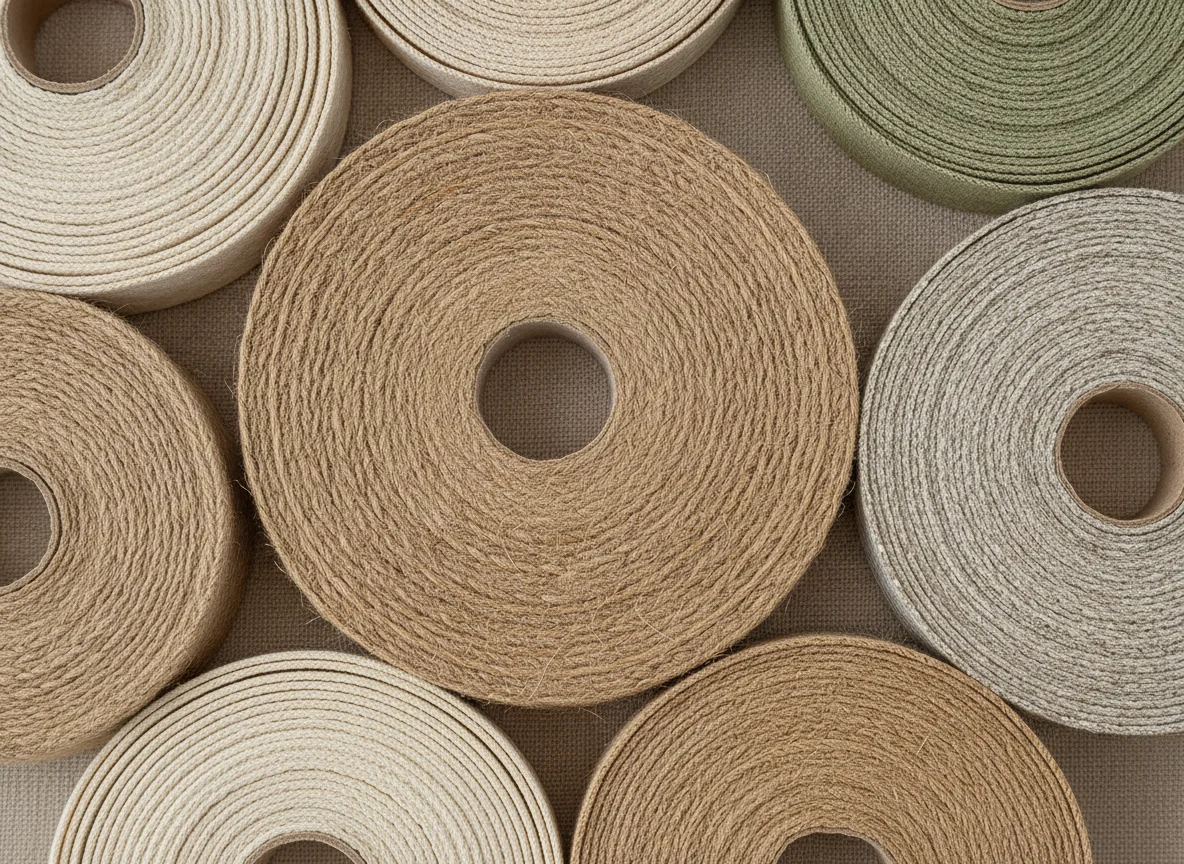
Natural fibers offer another excellent pathway to sustainability. Organic cotton ribbons provide a soft, luxurious feel. They come from crops grown without harmful pesticides or synthetic fertilizers. Hemp and jute ribbons present rustic, earthy aesthetics. These plants require minimal water and thrive without extensive chemical intervention. Bamboo is another rapidly renewable resource. Its fibers create smooth, silky ribbons. These natural materials often biodegrade at the end of their life cycle. This minimizes their environmental footprint. When selecting these, ensure suppliers provide certifications. These confirm their organic or sustainable cultivation practices.
Innovative biodegradable materials also enter the market. Ribbons made from wood pulp, such as Tencel or Lyocell, offer a sleek, elegant finish. These fibers come from sustainably managed forests. Their production processes minimize chemical use. They are designed to safely return to the earth after disposal. Similarly, some ribbons incorporate corn starch or other plant-based polymers. These options present a compelling choice for brands committed to a fully circular approach. High-quality production methods, like those used by HiLabels with European loom quality, ensure these sustainable options still convey luxury and durability. They meet demanding brand standards.
Even the dyeing processes contribute to sustainability. Look for ribbons colored with low-impact dyes. These dyes reduce water consumption and chemical pollution. Some brands even explore natural dyeing techniques. They use plant-based pigments. This holistic approach ensures every aspect of the ribbon's creation aligns with eco-friendly principles. Choosing thoughtfully throughout the supply chain makes a significant difference.
Designing for Reusability and the Circular Economy
Sustainability in gift wrapping ribbons extends beyond material selection. It also encompasses the design and potential for reuse. Brands committed to a circular economy consider the entire lifecycle of their packaging elements. This includes how consumers interact with and potentially repurpose the ribbon. Thoughtful design choices encourage longer life for the ribbon. They also reduce overall waste.
Firstly, focus on quality and durability. A well-made ribbon withstands multiple uses. Consumers are more likely to keep and reuse a beautiful, robust ribbon. They might use it for future gift wrapping. They might also use it for crafting or as a decorative accent in their homes. Investing in superior quality ensures a longer lifespan. This ultimately reduces the ribbon's environmental impact per use. Brands can convey lasting value through their packaging components.
Secondly, consider timeless and versatile designs. Highly specific or seasonal patterns might limit reusability. Conversely, classic colors, subtle textures, or abstract patterns offer greater versatility. Consumers can easily repurpose these ribbons for various occasions. This extends their utility beyond the initial gift. Furthermore, brands can subtly integrate their identity. They use custom colors or weaving patterns. These details do not hinder reuse. HiLabels understands the importance of designing custom ribbons that enhance brand identity. They also support sustainability goals.
Thirdly, educate your customers about reuse. Brands can include small tags or printed messages on their packaging. These messages encourage consumers to reuse or recycle the ribbon. They might suggest creative ideas for repurposing. This empowers consumers to participate actively in the brand's sustainability efforts. It transforms a simple ribbon into a tool for engagement and education. This simple act builds a stronger connection with environmentally conscious customers. It also reinforces the brand's values.
Ultimately, designing for a circular economy means thinking about the "end of life" for the ribbon. If reuse is not possible, ensure the material is easily recyclable or compostable. Provide clear instructions for disposal. This guides consumers toward the most environmentally responsible action. This comprehensive approach maximizes the positive impact of sustainable gift wrapping ribbon options.
Integrating Eco-Friendly Ribbons into Your Brand Story

Sustainable gift wrapping ribbon options offer more than just environmental benefits. They provide a powerful opportunity to enrich your brand's narrative. Thoughtful integration of eco-friendly packaging elements communicates authenticity and depth. It resonates deeply with modern consumers. Brands can transform a simple accessory into a compelling statement of their values.
Begin by weaving sustainability into your core brand message. Do not treat eco-friendly ribbons as an afterthought. Instead, position them as an intentional choice. Explain why your brand opts for recycled polyester or organic cotton ribbons. Share the story behind your materials. Detail the positive impact this decision creates. This transparency builds trust and strengthens brand identity. It also educates your customers.
Utilize your marketing channels to highlight these efforts. Feature your sustainable ribbons on social media. Include them in blog posts about your brand's green initiatives. Discuss the tactile quality and aesthetic appeal of these ribbons. Emphasize their role in creating a luxurious yet responsible unboxing experience. This creates compelling content. It attracts customers who prioritize sustainability. Telling a consistent story across all platforms reinforces your commitment.
Furthermore, align your ribbon choices with your overall brand aesthetic. Sustainable does not mean sacrificing style. Modern eco-friendly ribbons come in a vast array of colors, textures, and finishes. They can complement any brand's visual identity. For a minimalist brand, perhaps choose a simple, unbleached organic cotton ribbon. A luxury brand might opt for a custom-dyed bamboo silk ribbon. The choice should feel natural and integrated. It should enhance the perceived value of your product. This demonstrates that sustainability and luxury are not mutually exclusive.
Finally, engage in collaborations or certifications that reinforce your commitment. Partner with environmental organizations. Obtain certifications like GOTS for organic textiles. Display these credentials prominently. This adds credibility to your claims. It assures consumers of your genuine dedication to sustainability. Integrating eco-friendly ribbons becomes a tangible expression of your brand's ethical stance. It helps to differentiate your brand in a crowded market. This strategy provides a clear advantage.
Navigating Challenges and Implementing Smart Ribbon Solutions
While embracing sustainable gift wrapping ribbon options presents numerous advantages, brands may encounter certain challenges. Understanding these potential hurdles allows for proactive planning and smart implementation. Addressing these issues thoughtfully ensures a smooth transition to more eco-friendly packaging practices.
One common concern relates to cost. Sustainable materials sometimes carry a higher initial price point compared to conventional synthetics. However, brands must view this as an investment. The long-term benefits, including enhanced brand reputation, increased customer loyalty, and potential for improved operational efficiency, often outweigh the upfront expense. Furthermore, as demand for sustainable materials grows, production costs tend to decrease. Bulk purchasing can also provide savings. It helps to manage costs effectively.
Another challenge involves sourcing and supply chain complexity. Finding reliable suppliers for specific sustainable materials might require more research. Ensuring the authenticity of "green" claims also proves crucial. Brands should request certifications. They must vet their partners thoroughly. Working with established experts, such as HiLabels, simplifies this process. They offer proven quality and sustainable solutions. They navigate the complexities of ethical sourcing. This ensures transparency throughout the supply chain.
Maintaining aesthetic consistency can also be a consideration. Brands spend considerable effort developing a distinctive visual identity. Switching to new materials should not compromise this. Fortunately, the range of sustainable ribbons has expanded dramatically. They now offer diverse textures, colors, and finishes. With careful selection and custom design, brands can achieve their desired look. They also uphold their sustainability goals. It requires a keen eye for detail. It also needs a willingness to explore new possibilities.
Finally, educating internal teams and external partners about the new sustainable choices is vital. Ensure everyone understands the "why" behind the shift. Provide clear guidelines for handling, storage, and application of the new ribbons. This prevents miscommunication. It also ensures consistent execution of your sustainable branding efforts. Clear communication fosters a shared commitment to environmental responsibility across the entire organization. This comprehensive approach is essential for successful implementation.
FAQ: Sustainable Gift Wrapping Ribbons
Q1: What are the most common materials for sustainable ribbons?
A1: The most common sustainable ribbon materials include recycled polyester (rPET), organic cotton, hemp, jute, bamboo, and wood-pulp-based fibers like Tencel or Lyocell. Each offers unique properties and environmental benefits.
Q2: Do sustainable ribbons cost significantly more than traditional ones?
A2: Sustainable ribbons may have a higher initial cost. However, this investment often yields long-term benefits. These include enhanced brand image, increased customer loyalty, and potential operational efficiencies. Costs are also decreasing as demand grows.
Q3: How can I verify a ribbon's sustainability claims?
A3: Always ask suppliers for relevant certifications. Look for GOTS (Global Organic Textile Standard) for organic cotton, GRS (Global Recycled Standard) for recycled materials, or OEKO-TEX Standard 100 for harmful substance testing. Transparency is key.
Q4: Can sustainable ribbons be customized for my brand?
A4: Absolutely! Most sustainable ribbon options are highly customizable. Brands can specify colors, widths, weaves, and even custom printing or weaving of logos. This ensures the ribbons perfectly align with your brand's aesthetic and message.
Embrace Sustainable Elegance with HiLabels
Elevating your brand through thoughtful, sustainable packaging makes a lasting impression. Your choice of gift wrapping ribbons speaks volumes about your commitment to the planet. HiLabels offers a wide range of custom ribbons, crafted with European loom quality, designed to meet your brand's aesthetic and sustainability needs. We understand the nuances of eco-friendly materials and precision manufacturing. Discover how our expertise can transform your brand's packaging. Explore your options and request a quote for beautiful, bespoke ribbons that align with your values at hilabels.com today.


