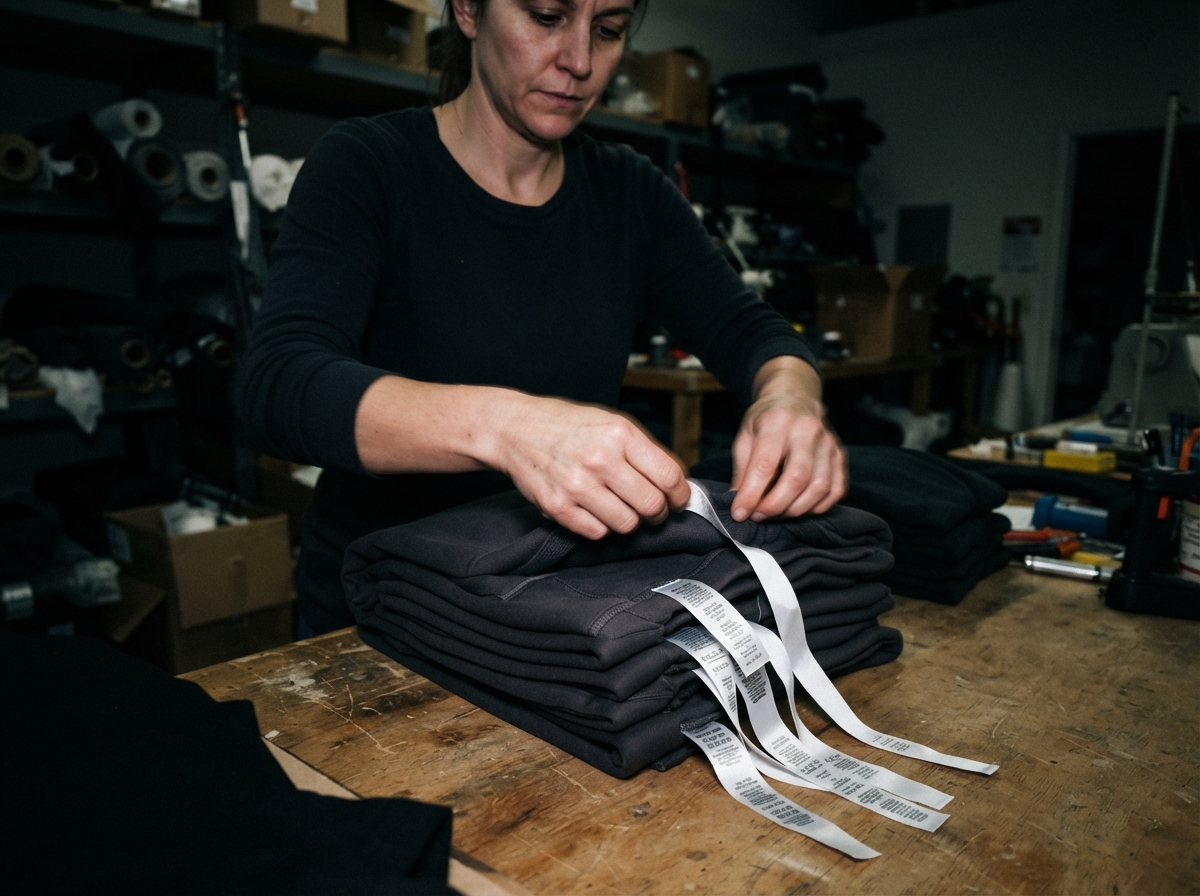
Navigating textile labeling laws for Canada 2026 is a top priority for any clothing brand entering the northern market. While regulations may seem complex, they protect consumers and ensure transparency across the industry. Whether you produce handmade goods or mass-market apparel, understanding these mandates helps you avoid costly delays at the border and protects your business reputation.
The Competition Bureau oversees these requirements to ensure that shoppers receive accurate information before they purchase a garment. You must provide clear data about what a product contains and how to maintain it. Proper compliance keeps your brand professional and trustworthy in a competitive retail landscape.
Understanding Fiber Content Disclosure
Accurate fiber content disclosure stands as the cornerstone of Canadian labeling requirements. You must list every fiber present in a garment by its common generic name. Furthermore, you must list these fibers in descending order of weight. If a specific component makes up less than five percent of the total, you may list it as other fiber, provided it does not offer a functional benefit.
Labels must remain clear and permanent for the life of the garment. For example, if you sell a cotton-polyester blend, your label should clearly show the percentage of each. You can find more comprehensive technical details regarding fiber science through the NC State Wilson College of Textiles. Using high-quality materials ensures that your labels remain legible and compliant throughout the item's lifecycle.
The Necessity of Durable Care Labels
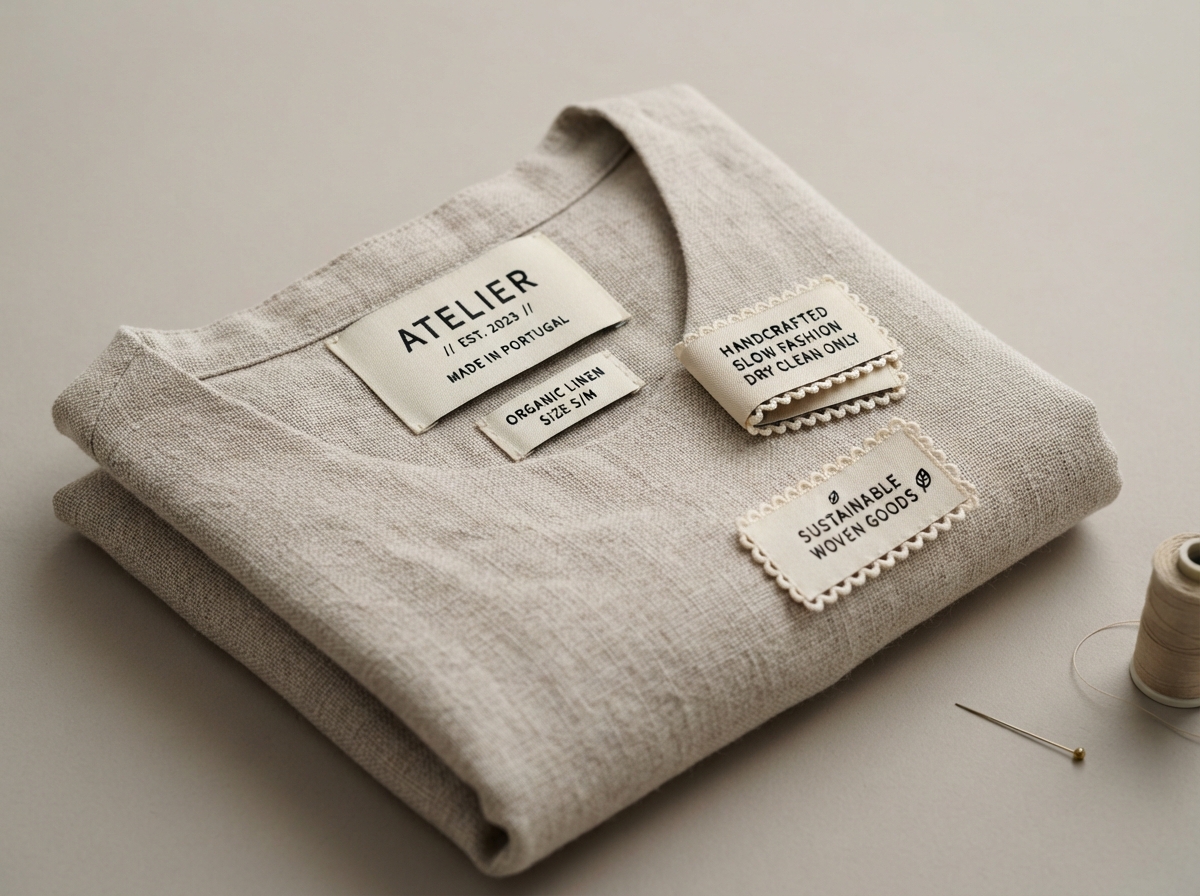
Beyond fiber content, Canadian regulations require you to include clear care instructions for your items. These instructions guide consumers on how to wash, dry, and iron their clothes without causing damage. While the Canadian system often aligns with international standards, you should prioritize consistency. Manufacturers frequently use standardized symbols to convey this information efficiently.
Proper care labeling prevents consumer frustration and reduces return rates for your brand. Research conducted by the AATCC highlights why specific test methods for colorfastness and shrinkage are essential before finalizing your instructions. By choosing durable custom care labels, you ensure that vital maintenance information stays with the garment through years of regular wear.
Complying With Dealer Identity Rules
Every textile product sold in Canada requires a unique dealer identity. This information usually takes the form of a CA identification number or the full name and address of the company responsible for the item. The Competition Bureau issues these CA numbers to Canadian dealers, providing a streamlined way to identify the source of a product. If you import goods, you must ensure that the Canadian importer's name or number appears on the product.
This regulation ensures accountability throughout the supply chain. If a safety issue or recall occurs, authorities need a clear path back to the manufacturer or the responsible distributor. Integrating this information into your neck labels or side tags simplifies the compliance process for your logistics partners. Always verify that your woven labels include the required identification in a readable format.
Navigating Language and Formatting Requirements

Canada mandates bilingual labeling on most consumer goods. You must present all required information in both English and French to reach the entire Canadian market effectively. This rule applies to fiber content, care instructions, and dealer identification. While you may combine these languages on a single label, ensure the text remains clear and easy to read.
Designers sometimes struggle to fit bilingual text onto small labels. However, using high-density weaving allows for sharp, legible text even in smaller spaces. Proper planning prevents the need for supplemental tags, which often clutter the garment. As you prepare your collections, consider how your branding aesthetic integrates with these bilingual requirements to maintain a polished, professional look.
Key Takeaways for Canadian Compliance
Staying compliant requires attention to detail and proactive planning. First, always verify your fiber percentages before production begins. Second, ensure that your care instructions undergo testing to avoid misleading the consumer. Finally, check that your dealer identification remains permanently attached to the garment. By following these steps, you minimize legal risks and build long-term consumer confidence.
If you need assistance with compliant labeling, visit HiLabels to explore durable, high-quality options for your next collection. We specialize in producing tags that meet the highest industry standards for clarity and longevity.
Frequently Asked Questions
- Is the use of care symbols mandatory in Canada? While symbols are not strictly forced, they are highly recommended to ensure clarity for all consumers.
- Do I need a CA number if I live outside of Canada? You do not necessarily need a CA number, but your products must clearly state the full name and address of the Canadian importer or distributor.
- Can I use English-only labels for the Canadian market? No, federal regulations require bilingual labeling for most textile products to ensure accessibility for all Canadians.
- What happens if I mislabel fiber content? The Competition Bureau can issue warnings, mandate product recalls, or impose fines for inaccurate labeling, which can significantly damage your brand reputation.


