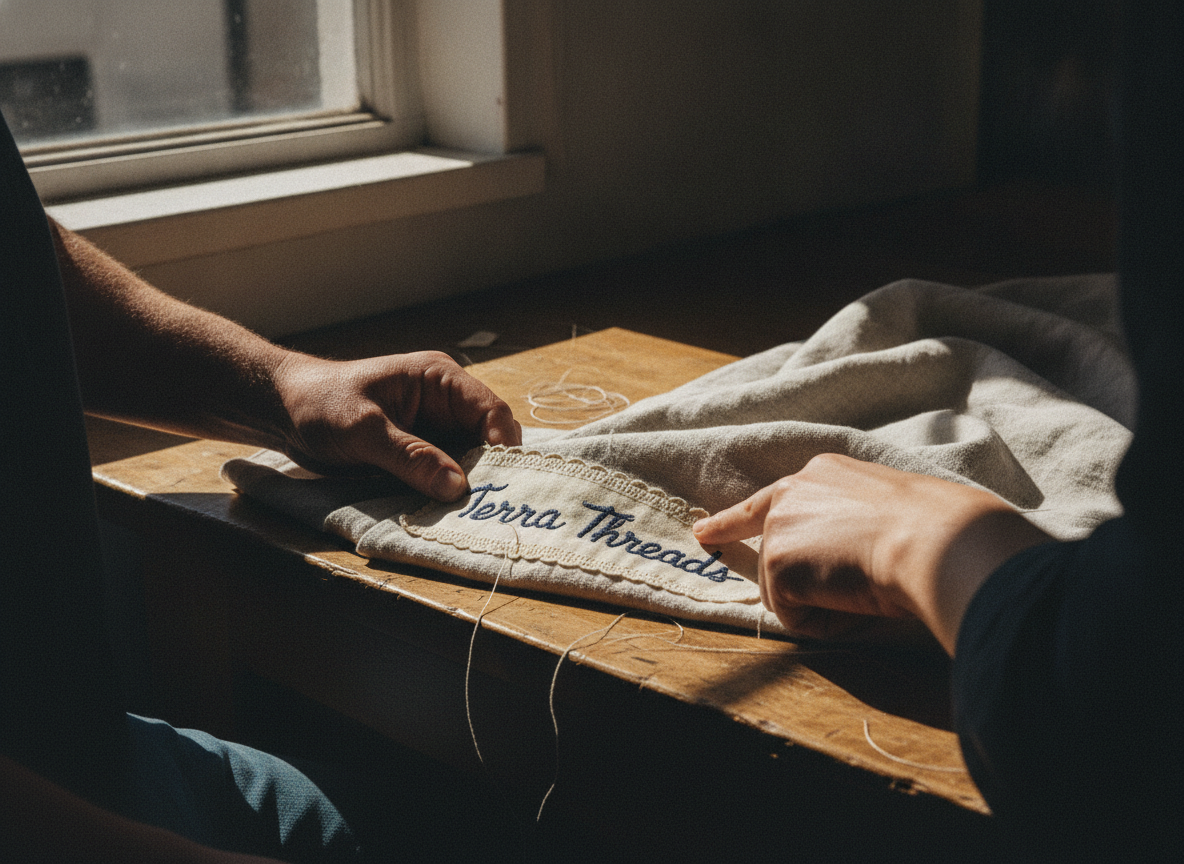
In an era where environmental consciousness profoundly shapes consumer choices, the fashion industry faces increasing pressure to adopt sustainable practices at every stage. This scrutiny extends far beyond the garment itself, reaching even the smallest components. A fundamental question many brands are now asking is: what are sustainable care labels made of, and how can they align with broader eco-friendly goals?
Sustainable care labels are much more than just informational tags. They represent a brand's commitment to environmental responsibility, providing essential washing instructions and fiber content while minimizing ecological impact. Making informed decisions about these labels involves understanding their materials, production processes, and end-of-life considerations. We explore these critical aspects, helping brands choose labels that truly reflect their sustainable values.
The Core of Sustainable Care Labels: Material Choices
The journey towards a truly sustainable care label begins with its fundamental composition. Manufacturers increasingly seek materials that reduce environmental footprints, moving away from conventional synthetics derived from fossil fuels. This shift prioritizes renewable resources, recycled content, and materials designed for biodegradability or easy recycling. Brands have several innovative options to consider.
Natural and Organic Fibers for Eco-Conscious Labels
Organic cotton stands out as a premier choice for sustainable care labels. Farmers cultivate organic cotton without synthetic pesticides, fertilizers, or genetically modified organisms, significantly reducing chemical runoff and supporting healthier ecosystems. When selecting organic cotton labels, brands often look for certifications like the Global Organic Textile Standard (GOTS), which ensures strict environmental and social criteria throughout the supply chain, from fiber harvesting to manufacturing.
Hemp also offers a compelling alternative. This resilient plant grows quickly, requires minimal water, and needs no pesticides. Hemp fibers produce strong, durable labels that soften beautifully over time, offering a natural aesthetic. Furthermore, bamboo, particularly rayon derived from bamboo through closed-loop processes, provides a soft, silky texture. Its rapid growth and minimal resource demands make it another excellent option for environmentally conscious brands.
Recycled Materials: Giving Waste a New Purpose
Recycled polyester (rPET) is a widely adopted material for sustainable labels. Manufacturers create rPET by melting down existing plastic-like PET bottles and re-spinning them into new fibers. This process diverts plastic waste from landfills and oceans, significantly reducing the demand for virgin petroleum. Many brands use rPET labels for their durability, color retention, and versatility, making them suitable for a wide range of garments.
Recycled cotton offers another circular solution. Textile waste from post-industrial scraps or post-consumer garments undergoes reprocessing to create new cotton fibers. This minimizes waste, conserves water, and reduces energy consumption associated with growing new cotton. Brands seeking a truly circular approach often combine recycled cotton with other sustainable fibers, creating unique and environmentally friendly label options. The Environmental Protection Agency (EPA) provides extensive information on sustainable materials management, including textile waste reduction, offering valuable context for these choices.
Innovations in Bio-based and Biodegradable Solutions
Beyond traditional natural and recycled fibers, innovation drives the development of bio-based synthetics. Polylactic Acid (PLA), for example, is a compostable polymer derived from renewable resources like corn starch or sugarcane. While still gaining traction in the label market, PLA offers a promising future for labels designed to return to the earth without harmful residues. Brands that prioritize end-of-life solutions actively explore such cutting-edge materials.
Other novel materials include wood pulp-derived fibers, such as Tencel™ Lyocell and Modal™. These fibers utilize sustainably sourced wood, often from eucalyptus or beech trees, and employ environmentally responsible closed-loop production processes that recycle water and solvents. Labels made from these materials offer exceptional softness, drape, and breathability, enhancing the garment's overall feel while maintaining a strong commitment to sustainability.
Beyond Materials: Sustainable Production and Certifications

The "what are sustainable care labels made of" question extends beyond raw materials to encompass the entire production lifecycle. A truly sustainable label integrates eco-friendly practices from fiber processing to the final weaving or printing stage. Brands must consider dyeing methods, manufacturing efficiency, and robust third-party certifications to ensure transparency and credibility.
Eco-Friendly Dyeing and Finishing Processes
Conventional dyeing processes often use large amounts of water, energy, and harsh chemicals, generating significant pollution. Sustainable label manufacturers increasingly adopt low-impact dyeing techniques. These include natural dyes derived from plants, minerals, or insects, which offer beautiful, subtle color palettes with minimal environmental harm. Digital printing also reduces water usage and minimizes chemical waste by applying ink precisely where needed, often using water-based, non-toxic inks.
Furthermore, manufacturers employ advanced finishing processes that eliminate harmful substances like formaldehyde and heavy metals. They prioritize treatments that enhance durability without compromising ecological integrity. These commitments ensure the finished care label remains safe for consumers and the environment throughout its lifespan.
Manufacturing Efficiency and Resource Management
Sustainable label production also emphasizes resource efficiency. This involves optimizing energy consumption in weaving and printing operations, often through renewable energy sources. Water conservation measures, such as wastewater recycling systems, are also crucial. Waste reduction strategies, including minimizing material scraps and reusing production waste, contribute significantly to a circular economy model. HiLabels, with over 30 years of experience, leverages European loom quality to ensure precision and efficiency in its manufacturing processes, contributing to lower waste and higher quality products, including custom care labels.
Key Certifications for Sustainable Assurance
Certifications play a vital role in verifying a label's sustainability claims. They provide independent assurance that products meet stringent environmental and social standards. Important certifications include:
- GOTS (Global Organic Textile Standard): Certifies organic fiber content and ensures ecological and social criteria are met throughout the entire supply chain.
- OEKO-TEX® Standard 100: Guarantees textiles and labels are free from harmful substances, ensuring product safety for human health.
- GRS (Global Recycled Standard): Verifies recycled content in products and tracks it from source to final product, including social and environmental practices.
- BCI (Better Cotton Initiative): Promotes better standards in cotton farming and practices, though it is not strictly organic, it aims to reduce environmental impact.
These certifications offer brands and consumers confidence in the sustainable attributes of their care labels. Organizations like Cascale (formerly the Sustainable Apparel Coalition) offer tools like the Higg Index, which helps brands measure and improve their environmental and social impact across the value chain, extending to components like labels.
Navigating Challenges in Sustainable Labeling
Adopting sustainable care labels presents distinct challenges that brands must carefully navigate. Balancing eco-friendly aspirations with practical considerations like durability, cost, and supply chain complexities requires thoughtful planning and strategic partnerships.
Balancing Durability and Sustainability
Care labels must withstand numerous wash cycles, exposure to detergents, and general wear and tear without losing legibility or disintegrating. This durability is critical for consumer information and product longevity. Historically, synthetic materials like polyester offered superior durability. However, sustainable alternatives now compete effectively.
For example, high-quality recycled polyester labels offer excellent resilience, while well-woven organic cotton or hemp labels can also endure significant use. The key lies in robust weaving techniques and material quality. Partnering with experienced manufacturers who understand the demands of garment care ensures that sustainable labels meet essential performance criteria.
Understanding Cost Implications
Sustainable materials and eco-friendly production methods can sometimes incur higher costs than conventional options. Organic fibers, certified recycled content, and specialized dyeing processes often command a premium due to their cultivation, reprocessing, and strict quality controls. Brands must view this as an investment in their values and a differentiator in the market.
However, economies of scale are improving, and the cost gap is narrowing as demand for sustainable solutions grows. Furthermore, the long-term benefits, such as enhanced brand reputation, consumer loyalty, and reduced environmental liability, often outweigh the initial investment. Effective negotiation and long-term relationships with suppliers help manage these costs.
Ensuring Supply Chain Transparency
Verifying the origin and sustainability claims of label materials requires a high degree of supply chain transparency. Brands need to understand where their fibers come from, how they are processed, and the conditions under which labels are manufactured. This involves working with suppliers who provide clear documentation and adhere to recognized certification standards.
Lack of transparency can lead to "greenwashing," where brands make unsubstantiated environmental claims. Therefore, thorough due diligence is essential. Brands must ask critical questions about their suppliers' environmental policies, social responsibility practices, and commitment to ethical sourcing. A transparent supply chain builds trust with consumers and ensures genuine sustainable impact.
The Future of Care Labels: Innovation and Impact

The evolution of sustainable care labels is continuous, driven by ongoing innovation in materials science and textile technology. The future promises even more advanced solutions that minimize environmental impact and enhance circularity within the fashion industry. These developments aim to make care labels an integral part of a garment's sustainable lifecycle, from creation to recycling or composting.
Advancements in Biodegradable and Compostable Materials
Researchers are actively exploring next-generation biodegradable and compostable materials that seamlessly integrate with a garment's end-of-life cycle. This includes labels designed to break down naturally in industrial composting facilities or even home composts, leaving no microplastic residues. Materials derived from agricultural waste, algae, or fungi are showing significant promise, offering innovative alternatives to traditional fibers. These materials will allow brands to offer garments with labels that truly disappear, reducing landfill burden.
Exploring Digital and Smart Label Technologies
While not strictly about material composition, the integration of digital technologies can significantly enhance the sustainability of care labels. QR codes and NFC tags embedded into or alongside physical labels can provide consumers with comprehensive digital care instructions, material origins, and end-of-life disposal guidance. This reduces the amount of information printed on the physical label, potentially allowing for smaller, simpler, and thus more resource-efficient physical tags. Digital solutions also enable dynamic updates, providing current and accurate information throughout the garment's lifecycle.
Promoting Circularity and Consumer Education
The future of sustainable care labels also focuses heavily on fostering a circular economy. This means designing labels that are easily separable from garments for recycling, or made from mono-materials that simplify the recycling process. Brands are increasingly educating consumers about proper care and disposal of garments and their labels. Clear instructions on how to recycle or compost labels, where applicable, empower consumers to participate actively in sustainable practices. This holistic approach ensures that the label not only starts sustainably but also contributes positively to a garment's overall environmental footprint.
Making the Right Choice for Your Brand: What Are Sustainable Care Labels Made Of?
Deciding what are sustainable care labels made of is a strategic decision for any brand committed to environmental responsibility. This choice extends beyond mere compliance; it reflects your brand's core values, resonates with eco-conscious consumers, and contributes to a healthier planet. Careful consideration of materials, production processes, and supplier partnerships will guide you toward the best solution.
First, assess your brand's specific sustainability goals. Are you prioritizing organic content, recycled materials, or biodegradability? Do you aim for certifications like GOTS or GRS? Aligning your label choices with your brand's overarching mission creates a consistent and authentic message. For example, a brand focused on ocean plastics might lean towards recycled polyester, while one emphasizing regenerative agriculture might prefer organic cotton or hemp.
Next, consider the garment's end use and expected lifespan. A durable outdoor jacket might require a more robust recycled polyester label, while a delicate baby garment could benefit from a soft, organically certified cotton label. The label should complement the garment's design and function, enhancing both its aesthetic appeal and its practical utility.
Finally, partner with an experienced label manufacturer who understands the complexities of sustainable materials and production. HiLabels offers custom care labels crafted with European loom quality, ensuring durability and precise detailing. We work with brands to navigate the options, from organic cotton to recycled polyester, helping them select sustainable care labels that meet their specific requirements and uphold their commitment to environmental stewardship. Our expertise ensures your labels are not only eco-friendly but also meet the highest standards of quality and performance.
Frequently Asked Questions About Sustainable Care Labels
- What is the most sustainable material for care labels?
- There isn't a single "most" sustainable material; it depends on factors like resource availability, production processes, and end-of-life options. Organic cotton, recycled polyester (rPET), hemp, and bio-based PLA are all strong contenders, each with unique environmental benefits. The best choice aligns with specific brand values and product requirements.
- Are "eco-friendly" care labels more expensive?
- Initially, sustainable care labels can be slightly more expensive due to specialized materials and production methods. However, as demand grows and technologies advance, costs are becoming more competitive. Many brands find the investment worthwhile for enhanced brand reputation and consumer trust.
- How do I verify a label's sustainability claims?
- Look for recognized third-party certifications such as GOTS (Global Organic Textile Standard) for organic content, GRS (Global Recycled Standard) for recycled content, and OEKO-TEX® Standard 100 for absence of harmful substances. These certifications provide independent verification of environmental and social claims.
- Can sustainable care labels be recycled or composted?
- Many sustainable care labels are designed for easier recycling or composting. Labels made from 100% recycled polyester can often be recycled with other plastics, while those made from organic cotton or bio-based materials like PLA can be composted in appropriate facilities. Check local recycling guidelines and specific product information for proper disposal.
Making informed choices about your brand's care labels powerfully demonstrates your commitment to sustainability. At HiLabels, we empower brands to make those impactful choices. From ethically sourced materials to high-quality European loom production, we offer custom solutions that embody both your brand's identity and its environmental values. Explore our range of custom care labels and discover how we can help your brand move forward sustainably. Visit hilabels.com to start your project today.


