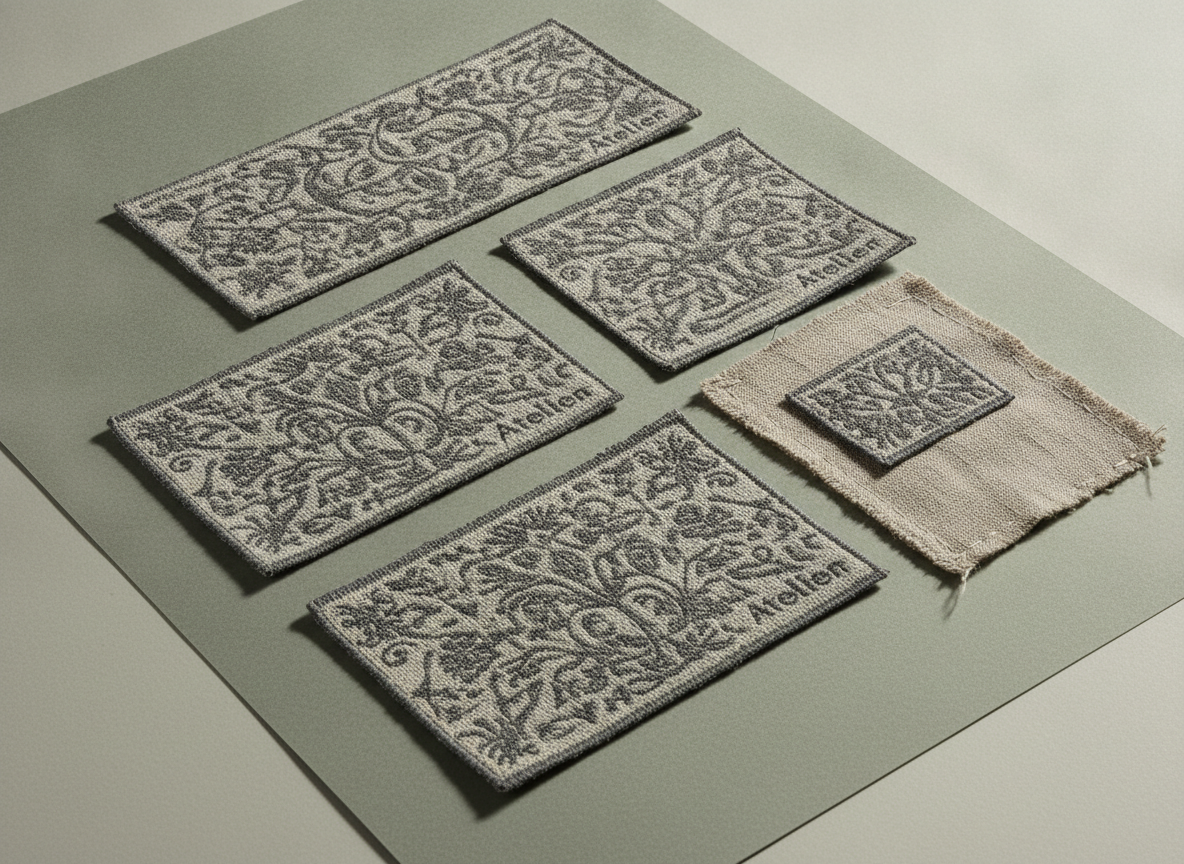
Custom apparel patches offer a fantastic way to personalize garments, elevate brand identity, and express unique creativity. Whether you are launching a new clothing line, outfitting a team, or simply adding a personal touch to your wardrobe, the quest to find high-quality, custom-made patches can feel daunting. Many individuals and businesses often wonder where to buy custom apparel patches that truly meet their specific design and quality standards. This guide will walk you through the various options available, ensuring you make an informed decision and find the perfect supplier for your needs.
The journey begins with understanding the different types of patches and what makes them suitable for various applications. Historically, patches have served military, scouting, and organizational purposes, signifying rank, achievement, or affiliation. Today, their appeal extends across fashion, sports, and corporate branding. Therefore, knowing your options helps you navigate the market effectively. We explore everything from design considerations to choosing the right manufacturing partner, guaranteeing you receive durable, visually striking patches.
Understanding Your Custom Patch Needs First
Before you even begin to search for a supplier, clearly defining your requirements saves time and ensures a successful outcome. Consider the core elements of your patch project. Firstly, what kind of patch do you envision? Common types include embroidered, woven, PVC, chenille, and leather patches. Each material offers distinct aesthetic and tactile qualities. For example, embroidered patches provide a classic, textured look with raised stitching, while woven patches offer finer detail and a smoother finish. PVC patches are durable and waterproof, making them ideal for outdoor gear. Your choice here significantly impacts the patch's final appearance and application.
Secondly, think about the patch's intended use. Will it be sewn onto a jacket, ironed onto a bag, or attached with Velcro? The backing type directly relates to how the patch will be affixed. Available options typically include iron-on, sew-on, adhesive, and Velcro backings. Iron-on provides convenience for quick application, though sew-on offers superior durability for long-term wear. Adhesive backings are perfect for temporary applications, whereas Velcro allows for interchangeable designs. Also, consider the size and shape. A small, intricate logo requires different considerations than a large, bold statement patch. Think about the overall garment it will adorn, too.
Finally, consider your budget and quantity. Smaller runs or intricate designs might incur higher per-unit costs. Bulk orders, conversely, often qualify for significant discounts. Many suppliers have minimum order quantities (MOQs), so understanding these upfront prevents wasted effort. Your timeline also matters. Rush orders might be possible but typically come with a premium. Planning ahead allows for standard production times and more economical pricing. Therefore, a clear vision of these elements forms a solid foundation for your search.
Where to Buy Custom Apparel Patches: Your Options
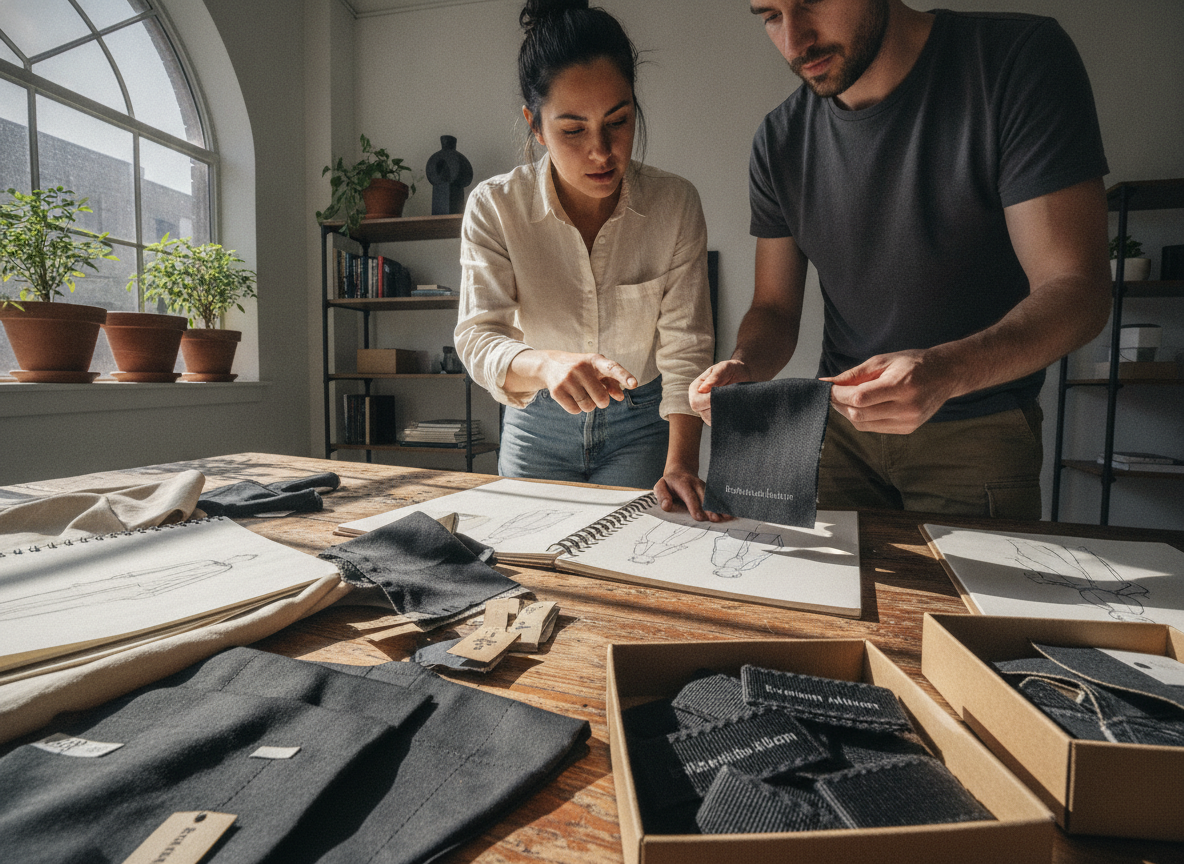
Finding the right vendor for your custom apparel patches requires exploring various avenues, each with its own advantages. Your choice largely depends on your specific needs, budget, and desired level of customization. Below, we detail the most popular options available.
Dedicated Custom Patch Manufacturers
Directly approaching a dedicated custom patch manufacturer is often the best choice for businesses and individuals seeking high-quality, professional results. These companies specialize in producing patches and possess the expertise, equipment, and materials to handle complex designs and large orders. They typically offer a wide range of patch types, backing options, and customization possibilities. Moreover, manufacturers like HiLabels, with over 30 years of experience and European loom quality, offer bespoke solutions, ensuring your vision translates perfectly into a tangible product. They understand the nuances of textile manufacturing and provide invaluable guidance throughout the design and production process. This option guarantees consistency and superior craftsmanship.
Online Marketplaces and Platforms
Several online platforms cater to custom patch orders, ranging from independent designers to larger aggregators. Websites like Etsy, for instance, host numerous small businesses and artisans who create custom patches. This route suits those looking for unique, handcrafted styles or supporting individual artists. Similarly, custom printing and embroidery service websites often include patches in their offerings. They provide user-friendly design tools and straightforward ordering processes, making them accessible for beginners. However, quality and turnaround times can vary significantly across these platforms. Always check reviews and request samples if possible before committing to a large order.
Local Embroidery or Print Shops
For those who prefer a hands-on approach or need a quick turnaround on smaller quantities, local embroidery or print shops can be an excellent resource. These brick-and-mortar establishments allow for face-to-face consultations, which can be beneficial for discussing intricate designs or specific material requirements. They might also offer quicker pick-up options, reducing shipping times. While their equipment might be more limited than large-scale manufacturers, many local shops provide excellent quality and personalized service. This option is particularly useful for community groups, small events, or personal projects where proximity and direct communication are priorities.
When deciding where to buy custom apparel patches, evaluate these options against your priorities. Consider factors such as minimum order quantities, pricing structures, design capabilities, and customer support. For instance, if you require a highly specific weave or intricate detail, a specialized manufacturer will likely deliver the best results. If, however, you need a handful of unique patches for a personal project, a local artisan might be more suitable. Each avenue presents distinct benefits, making the choice a strategic one for your project's success.
Choosing the Right Supplier for Custom Patches
Selecting the ideal supplier for your custom apparel patches involves more than just finding someone who can make them. You need a partner who understands your vision and can deliver consistent quality. Here are crucial factors to consider when making your choice.
Quality and Craftsmanship
The foremost consideration is the quality of the patches themselves. Examine a potential supplier's portfolio and, if possible, request physical samples. Look for sharp detailing, consistent stitching or weaving, vibrant colors, and durable materials. Poor quality patches can quickly fray, fade, or detach, reflecting poorly on your brand or personal item. An experienced manufacturer will showcase their commitment to quality through robust materials and meticulous production processes. For example, companies with a long history in the industry often employ European loom quality, which ensures superior weave and finish for woven patches.
Consider the types of materials and threads they use. Are they resistant to washing and wear? Do they meet industry standards for colorfastness and durability? This is particularly important for apparel patches that will undergo frequent laundering or exposure to the elements. Don't hesitate to ask about their quality control procedures; a reputable supplier will be transparent about their manufacturing practices and stand behind their products. This attention to detail defines the longevity and professional appearance of your finished patches.
Customer Service and Communication
Effective communication with your supplier is paramount throughout the entire process. A good supplier provides clear, prompt responses to your inquiries and offers helpful guidance. They should assign a dedicated point of contact who understands your project and can communicate updates and address concerns. Look for companies that provide design assistance, offering expert advice on color matching, material selection, and optimization of your artwork for the chosen patch type. This collaborative approach minimizes errors and ensures the final product aligns perfectly with your expectations.
Furthermore, assess their proofing process. Do they offer digital proofs or physical samples for approval before full production? A thorough proofing stage is critical for catching any potential issues early. Excellent customer service extends beyond just the sale; it encompasses the entire journey from initial concept to final delivery. This proactive engagement makes a significant difference, especially when dealing with complex designs or tight deadlines. A reliable partner makes the process seamless.
Pricing, Turnaround Times, and Minimums
While cost should not be the sole determining factor, it certainly plays a significant role. Obtain detailed quotes from several suppliers and compare them carefully. Be wary of prices that seem too good to be true, as they might indicate compromises in quality or service. Understand what is included in the price: setup fees, design fees, shipping costs, and any additional charges. Always request an all-inclusive quote to avoid hidden surprises. Transparency in pricing builds trust and clarity.
Turnaround time is another critical factor. If you have a specific deadline, ensure the supplier can meet it. Discuss their standard production times and any options for expedited services. Remember that faster delivery usually comes at an extra cost. Lastly, inquire about their minimum order quantities (MOQs). Some manufacturers specialize in large bulk orders, while others are more accommodating to smaller runs. Aligning with a supplier whose MOQs match your needs helps manage costs and inventory. These logistical considerations are vital for a smooth and efficient order process.
Designing Your Perfect Custom Apparel Patches

Creating an effective patch design requires thought and an understanding of how different elements translate into fabric or PVC. Your design is the heart of your custom apparel patches, so pay close attention to its details. Start with a clear concept. What message do you want to convey? What colors and fonts best represent your brand or personal style? Simplicity often works best, especially for smaller patches, where intricate details can get lost. Ensure your artwork is high-resolution, which is crucial for precise reproduction. Many suppliers will guide you on preferred file formats, such as vector files, for optimal clarity.
Consider the limitations and strengths of your chosen patch type. For embroidered patches, very fine lines or tiny text might be difficult to reproduce accurately due to thread thickness. Woven patches, on the other hand, can achieve much finer detail. PVC patches offer distinct advantages for bold, raised designs and vibrant colors. Experiment with color palettes, keeping in mind how they will appear when translated into threads or molded materials. A limited color palette can often create a stronger visual impact and may also be more cost-effective. Seeking inspiration from existing patches can also spark creative ideas. You can protect your unique artwork by registering it with the U.S. Copyright Office.
Finally, think about placement on the garment. How will the patch interact with the clothing's contours or seams? A well-placed patch enhances the overall aesthetic. Don't forget about branding elements; if you are creating patches for a business, ensure your logo and brand colors are consistently applied. Sometimes, a subtle approach works best, allowing the patch to be an integrated part of the garment rather than an overwhelming addition. By thoughtfully approaching the design phase, you lay the groundwork for a truly standout product. Protecting your brand's unique identity, including its logo on patches, can also involve registering a trademark with the USPTO.
Maintaining Quality and Longevity of Your Patches
Once you have invested in custom apparel patches, proper care ensures they remain vibrant and securely attached for years. The longevity of your patches depends on both the quality of the application and ongoing maintenance. If you used iron-on patches, reinforce them with a few stitches, especially around the edges, for added durability. Sewing provides the most secure attachment for any patch type, preventing peeling or accidental detachment during wear and washing. This proactive step significantly extends the lifespan of your patches, keeping them looking fresh and new.
When it comes to washing, always follow the care instructions for the garment the patch is attached to. However, specific patch materials might require extra consideration. For embroidered and woven patches, gentle washing cycles with cold water are recommended. Avoid harsh detergents or bleach, which can fade colors or damage threads. If possible, turn the garment inside out before washing to protect the patch from abrasion. Air-drying is always preferable to machine drying, as high heat can weaken adhesives and cause materials to shrink or warp. If machine drying is necessary, use a low heat setting.
PVC and leather patches generally require different care. PVC patches are highly durable and waterproof, often just needing a wipe with a damp cloth to clean. Leather patches, however, require more delicate handling; avoid submerging them in water. Use specific leather cleaners if necessary and condition them periodically to prevent cracking. By following these simple care guidelines, you preserve the integrity and appearance of your custom apparel patches, ensuring they continue to make a statement for a long time. For more information on textile care, industry news site Fibre2Fashion offers valuable insights.
Frequently Asked Questions About Custom Apparel Patches
- What is the difference between embroidered and woven patches?
- Embroidered patches feature raised, textured stitching, creating a classic dimensional look. Woven patches, conversely, are woven directly into fabric, allowing for finer details, smaller text, and a smoother, flatter finish. The choice depends on desired detail and texture.
- Can I get a sample of my custom patch before placing a large order?
- Most reputable custom patch manufacturers offer pre-production samples, either digital proofs or physical samples, for approval. This ensures the design, colors, and quality meet your expectations before full production begins. Always confirm this option with your chosen supplier.
- What backing options are available for custom patches?
- Common backing options include sew-on (most durable), iron-on (convenient, but less permanent), adhesive (for temporary application), and Velcro (for interchangeable use). Select the backing that best suits the patch's intended attachment method and longevity requirements.
- How long does it typically take to produce custom patches?
- Production times vary based on the complexity of the design, the quantity ordered, and the supplier's current workload. Standard turnaround usually ranges from 2-4 weeks after design approval. Rush options may be available for an additional fee.
- What file formats do I need to provide for my patch design?
- Most manufacturers prefer vector file formats like AI, EPS, or SVG, as these allow for scalability without loss of quality. High-resolution JPG or PNG files can also be used, but vector files ensure the sharpest reproduction.
When searching for where to buy custom apparel patches, remember that quality, communication, and a clear understanding of your needs are paramount. With careful consideration of materials, design, and supplier capabilities, you can create patches that truly stand out. Whether for personal use or a large-scale branding effort, the right patches make a lasting impression. Explore the possibilities and craft your perfect patches today.
Ready to bring your patch designs to life with unmatched quality and expertise? Discover the difference European loom quality makes. Visit hilabels.com to explore our custom patch options and start your project with industry-leading precision and service.


