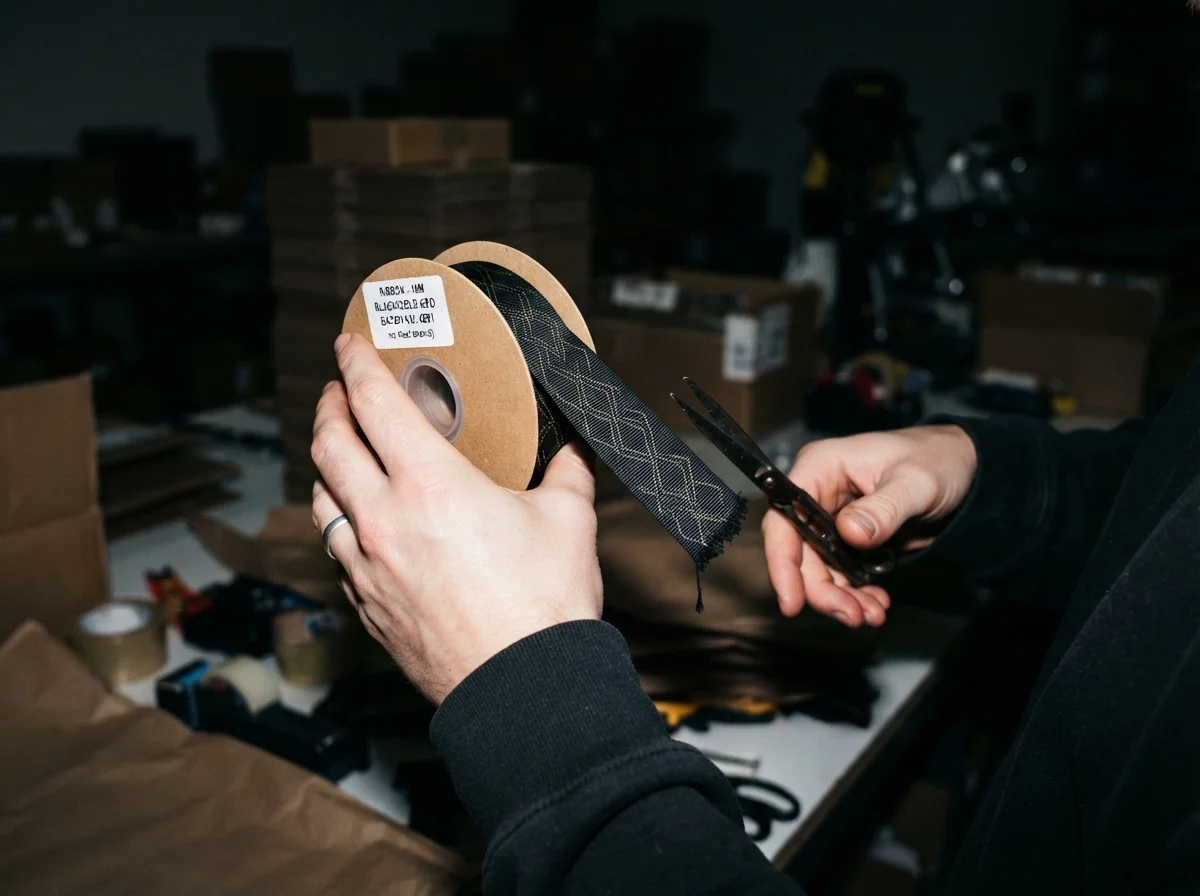
Designers constantly search for subtle ways to elevate their collections. Incorporating woven ribbons provides a refined touch that distinguishes standard pieces from high-end retail items. Understanding the types of labels used in textile industry manufacturing helps brands choose materials that endure repeated wear while maintaining a premium appearance. By thoughtfully selecting ribbons, you transform simple silhouettes into sophisticated, branded experiences for your customers.
Elevating Garments with Woven Ribbons
Woven ribbons act as more than simple trim. They serve as a canvas for brand identity, structural reinforcement, and decorative flair. Designers frequently apply these ribbons to cuffs, necklines, or side seams to provide a structured finish. Additionally, because these ribbons often feature high-density weaving, they resist fraying better than standard printed tapes. This durability ensures that your branding remains legible throughout the life of the garment. Many manufacturers also consider how these materials align with the strict requirements outlined in the Textile Fiber Products Identification rules from the full text of 16 CFR Part 303. Compliance remains essential, yet style should never be sacrificed during the design process.
Why Details Matter in Modern Apparel
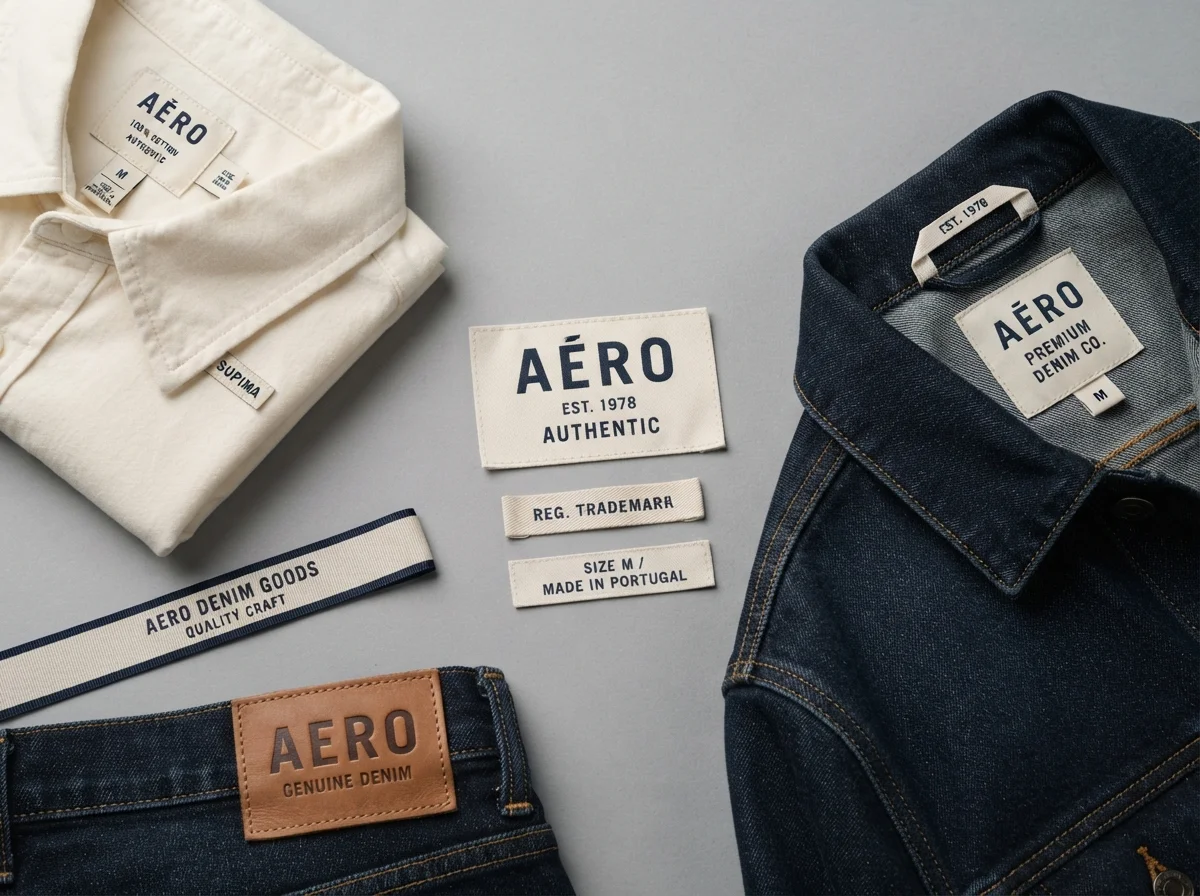
Small details often define the perceived value of a clothing line. While consumers might not always articulate why a garment feels professional, they notice the presence of custom woven accents. High-quality ribbons add a sense of luxury that mass-market items often lack. Furthermore, they allow for subtle logo placement without overwhelming the overall design. When you integrate these components correctly, you create a cohesive visual language that strengthens your brand identity. It is helpful to research the standards set by the American Society for Testing and Materials to ensure your selected materials meet performance expectations for stretch and colorfastness. Consistent attention to these details builds trust with your customer base over time.
Integrating Trims into Your Production Workflow
Practical application of woven ribbons requires careful planning during the prototyping phase. You must consider how the ribbon interacts with the main fabric, especially if the garment requires frequent cleaning. Professionals often choose materials that can withstand rigorous cycles without losing their crisp appearance. HiLabels provides specialized options that maintain structural integrity during the manufacturing process. Additionally, you should evaluate the weight and texture of the ribbon to ensure it complements the garment fabric rather than detracting from it. Proper placement, such as using ribbon as an internal bias binding, adds a hidden layer of quality that delights the customer upon discovery. Many brands find that these small additions significantly reduce return rates by emphasizing the care taken during construction.
Navigating Design and Compliance Standards

Designers must balance creative vision with legal requirements. While ribbons offer aesthetic benefits, they also contribute to the overall utility of the garment. For example, some ribbons include reflective threads for safety or reinforced weaves for durability. Always verify that your chosen trims align with the regulations regarding the FTC's guidance on labeling requirements to avoid potential compliance issues. By blending these functional needs with high-quality aesthetics, you ensure your products remain both beautiful and market-ready. For those seeking to refine their own production, exploring the full range of custom trims at HiLabels can provide the necessary materials to achieve this balance. Investing in high-quality woven elements ultimately defines your brand as one that values longevity and craft.
Frequently Asked Questions
Are woven ribbons more durable than printed options? Yes, woven ribbons feature threads interlaced during production, which makes them far more resistant to fading or peeling compared to surface-printed tapes.
Can I use woven ribbons for functional purposes? Absolutely. Many designers use these ribbons to reinforce necklines, prevent stretching in shoulder seams, or provide structure to plackets.
How do I ensure my ribbons meet industry standards? Always source from manufacturers who understand the regulations regarding the labels used in textile industry production to ensure fiber content and origin accuracy.
Where can I find custom ribbon options for my brand? You can explore a variety of professional-grade textile components and custom designs by visiting HiLabels to discuss your specific needs.
Elevate your next collection by selecting the right details. Start your journey with durable, custom-designed trims that set your brand apart. Explore the full catalog and design your perfect ribbons today at https://hilabels.com.


