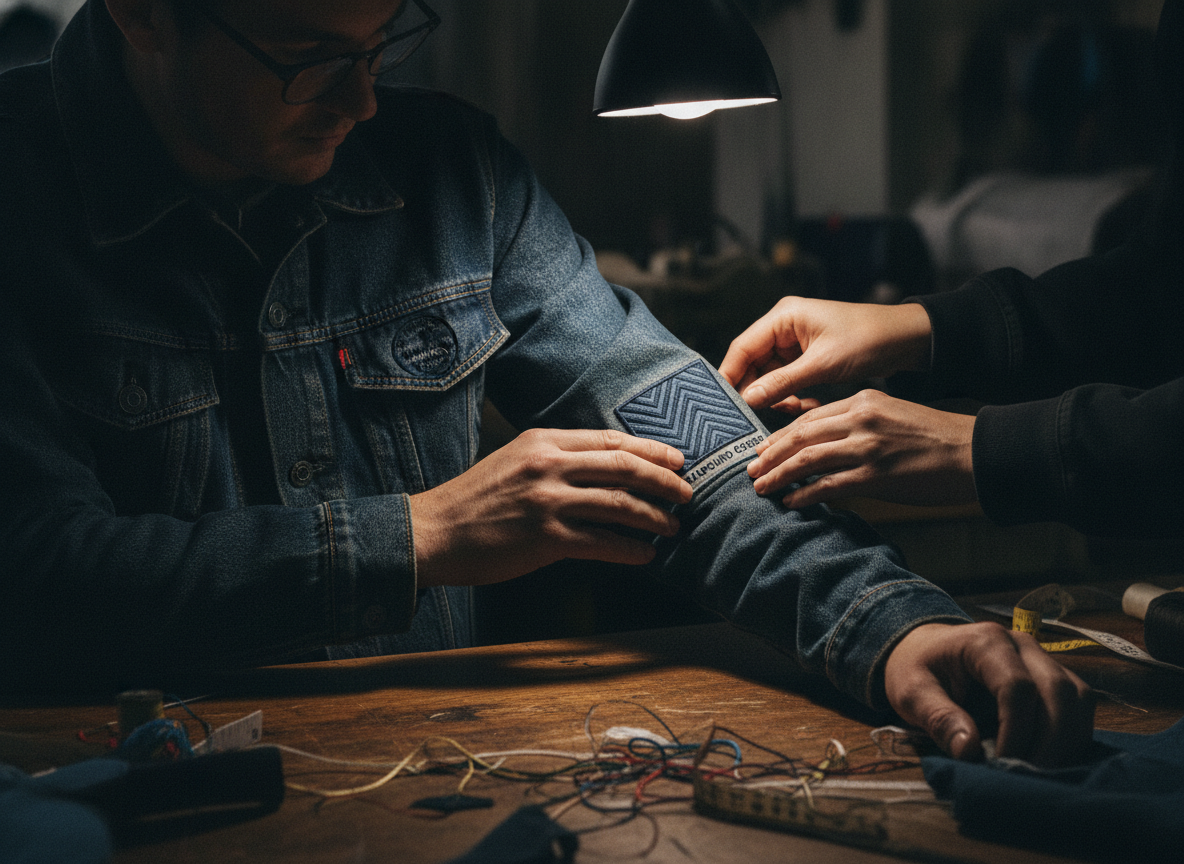
Navigating the world of custom patches can feel overwhelming, especially when faced with key choices that significantly impact your final product. For many designers and brands, a common dilemma arises: do I choose woven or embroidered patches? Understanding the fundamental difference between woven and embroidered patches is crucial for making an informed decision that aligns with your brand's vision, budget, and application needs. Both types offer unique aesthetic and functional benefits, yet their distinct manufacturing processes result in vastly different looks, feels, and capabilities.
Embroidered patches are arguably the most recognizable type, characterized by their classic, raised texture and traditional look. On the other hand, woven patches offer a finer level of detail and a smoother finish. Your decision ultimately hinges on the specific requirements of your design and the overall impression you wish to convey. Let's delve deeper into each type, explore their individual characteristics, and help you determine the optimal choice for your next project.
Understanding Embroidered Patches: The Classic Choice
Embroidered patches have long served as a staple for military uniforms, sports teams, and various organizations. They feature a design stitched onto a twill or fabric backing using threads. The threads are thicker than those used in weaving, which creates a noticeable, tactile surface texture. This raised effect gives embroidered patches a distinct, three-dimensional quality, making them incredibly popular for designs that require a robust, traditional appearance.
The embroidery process involves stitching individual threads onto a base fabric, typically a sturdy twill. As a result, designs feature a slightly pixelated or segmented look due to the thread thickness and the way stitches are laid down. This characteristic lends itself well to bolder graphics, larger text, and designs where intricate, fine lines are not the primary focus. Furthermore, the border of an embroidered patch is often merrowed, meaning it has a thick, overlocked stitch that provides a clean, durable edge. This technique prevents fraying and contributes to the patch's overall longevity. However, while durable, embroidered patches generally cannot capture extremely small text or highly complex artwork with the same precision as their woven counterparts.
Pros of Embroidered Patches:
- **Classic Look and Feel:** They provide a traditional, tactile, and often rugged aesthetic. This makes them ideal for vintage-inspired brands or military-style apparel.
- **Durability:** The thick threads and merrowed borders ensure these patches withstand extensive wear and washing. They often outlast the garment itself.
- **Depth and Dimension:** The raised stitching creates a noticeable three-dimensional effect. This adds visual interest and a premium feel to designs that leverage texture.
- **Cost-Effective for Simpler Designs:** For designs with fewer colors and less intricate details, embroidery can be a very economical option.
Cons of Embroidered Patches:
- **Limited Detail:** Fine lines, small text, and highly intricate designs may lose clarity. The thicker threads restrict resolution.
- **Less Smooth Finish:** The raised texture, while a pro for some, can be a con if you desire a flat, sleek appearance.
- **Heavier and Stiffer:** Due to the dense stitching, embroidered patches are generally thicker and stiffer. This might not suit lightweight fabrics or specific applications.
Brands often choose embroidered patches for outerwear, denim, caps, and workwear, where their robust nature and classic appeal truly shine. They evoke a sense of heritage and authenticity, which resonates with many consumer bases. Therefore, if your design embraces bold lines and a tangible texture, embroidery remains an excellent option.
Understanding Woven Patches: The Modern Alternative
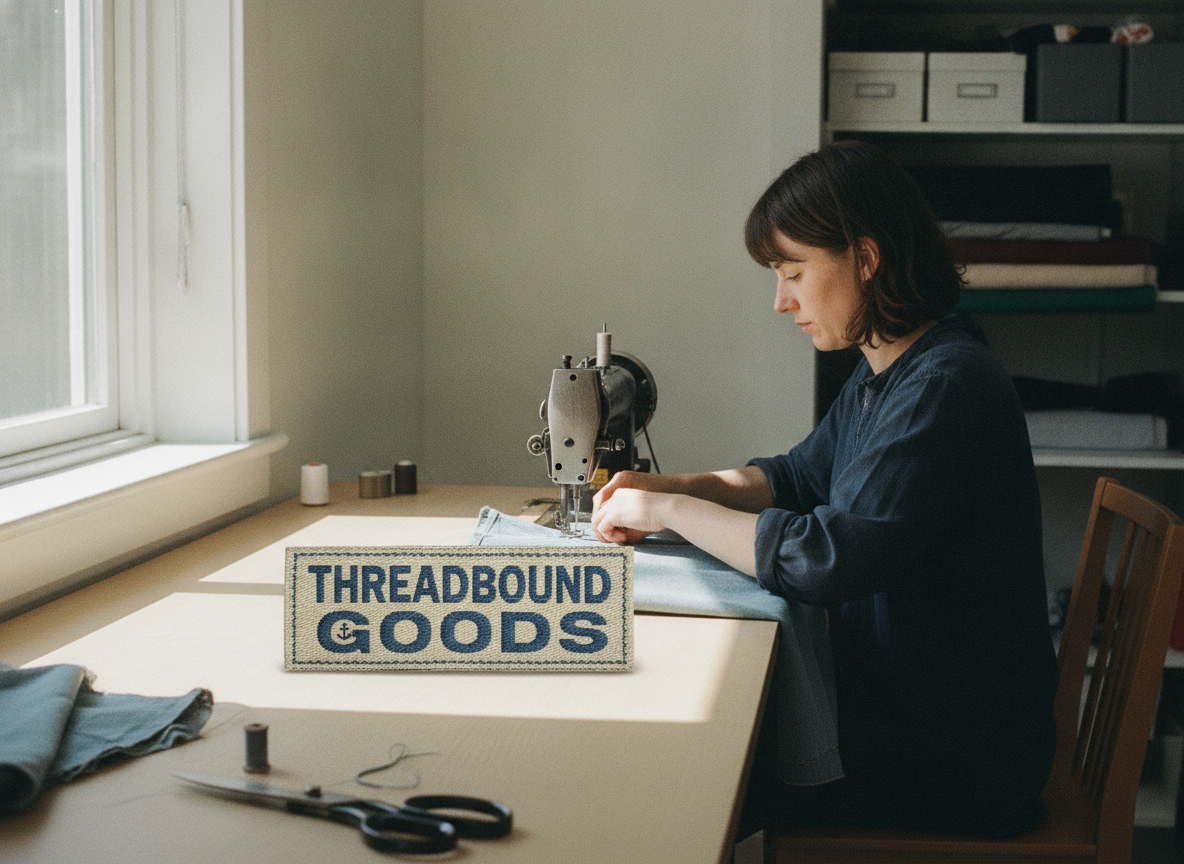
Woven patches, while less commonly recognized by the average consumer, offer a superior level of detail and a smoother finish compared to embroidered patches. Their manufacturing process is akin to how fabric itself is made. Instead of stitching threads onto a backing, the entire patch is woven on a loom, typically using thinner, finer threads. This weaving process allows for exceptional precision, making woven patches perfect for intricate logos, small text, and complex graphic elements.
Because the design is woven directly into the fabric of the patch, the threads lie flat and create a smooth surface. This eliminates the raised texture characteristic of embroidery. The result is a clean, crisp image that translates even the most minute details with remarkable clarity. Furthermore, the thinner threads enable a higher thread count per square inch, which is critical for achieving photographic detail or gradients. Woven patches often feature a cut or heat-sealed border, which creates a clean, flat edge that integrates seamlessly with garments. This method also minimizes bulk, making them ideal for areas where a low profile is preferred.
Pros of Woven Patches:
- **Exceptional Detail and Clarity:** They reproduce fine lines, small text, and intricate artwork with outstanding precision. Complex logos or photographic elements render beautifully.
- **Smooth, Flat Finish:** The flat, non-raised surface provides a sleek, modern look. This makes them comfortable against the skin, especially on lightweight fabrics.
- **Lightweight and Flexible:** Woven patches are generally thinner and more pliable than embroidered patches. They conform better to various fabric types without adding significant bulk.
- **Versatile Design Options:** You can achieve greater color variation and subtler gradients. This opens up more complex design possibilities.
Cons of Woven Patches:
- **Less Tactile Texture:** The smooth surface lacks the distinctive raised feel of embroidery. This might be a drawback if a tactile experience is desired.
- **Potentially Higher Cost for Simple Designs:** For very basic designs, the intricate weaving process might be marginally more expensive than simple embroidery. However, for complex designs, the cost-effectiveness often evens out.
- **May Appear Less "Traditional":** Their modern, flat appearance might not suit brands seeking a classic, heritage aesthetic.
Woven patches excel in applications where detail and a refined finish are paramount. They are frequently used on high-end apparel, fashion accessories, promotional items, and anything requiring precise branding. Consider them for intricate brand logos or where a sleek, subtle patch is preferred. The smooth finish also makes them a comfortable choice for patches that might come into direct contact with the skin.
The Core Difference Between Woven and Embroidered Patches
The fundamental difference between woven and embroidered patches stems directly from their manufacturing techniques. Embroidery stitches thread onto a backing material, while weaving creates the entire patch as one piece of fabric. This distinction dictates nearly every other characteristic, from texture to detail capacity and overall feel.
An embroidered patch visually stands out with its raised threads, offering a tangible texture that designers often seek for a traditional, handcrafted feel. Conversely, a woven patch presents a flat, smooth surface, allowing for sharper lines and crisper imagery. Therefore, if your logo contains tiny lettering or highly specific graphic elements, a woven patch will replicate them more faithfully. The thread count plays a critical role here; woven patches boast a significantly higher thread count, enabling them to capture much finer detail than their embroidered counterparts. For example, reproducing a complex illustration or a brand's intricate emblem often favors the woven approach. Meanwhile, a bold, block-lettered patch typically shines with embroidery. These differences extend to the patch's flexibility and thickness as well. Embroidered patches tend to be thicker and stiffer due to the layered stitching, whereas woven patches remain thin and supple, easily conforming to fabric contours.
| Feature | Embroidered Patches | Woven Patches |
|---|---|---|
| **Manufacturing** | Threads stitched onto a fabric backing | Threads woven together to form the entire patch |
| **Texture** | Raised, tactile, dimensional | Flat, smooth, sleek |
| **Detail Level** | Good for bold designs, limited fine detail | Excellent for fine lines, small text, intricate details |
| **Thread Thickness** | Thicker threads | Thinner threads |
| **Thread Count** | Lower per square inch | Higher per square inch |
| **Flexibility** | Stiffer, less flexible | More pliable, flexible |
| **Thickness** | Thicker, more substantial | Thinner, low profile |
| **Appearance** | Classic, traditional, rugged | Modern, refined, crisp |
| **Border Type** | Often merrowed (overlocked) | Often cut or heat-sealed |
Making Your Choice: Factors to Consider
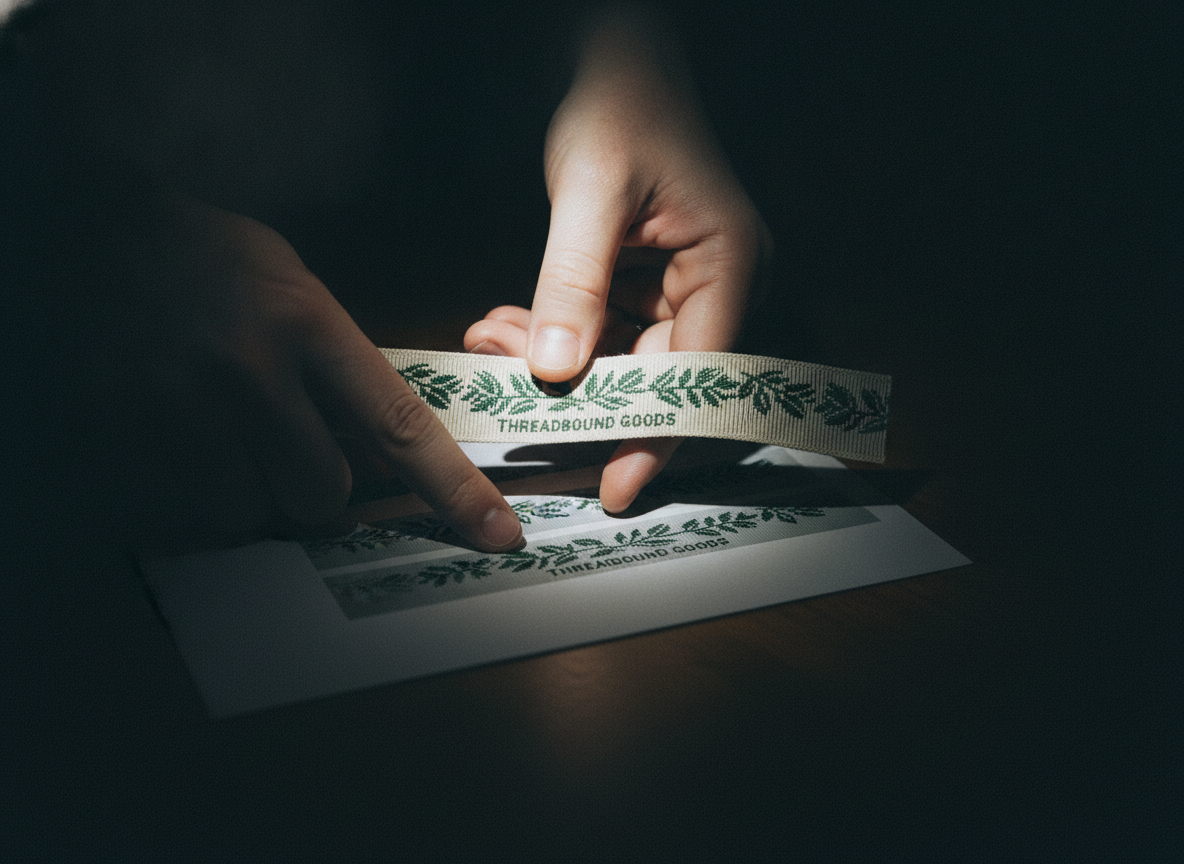
Choosing between woven and embroidered patches requires careful consideration of several practical aspects. Each factor can influence both the aesthetic outcome and the functional performance of your patch. Evaluating these points will help you make a decision that best suits your project's unique demands.
Design Complexity and Detail
Firstly, assess the intricacy of your design. Does your logo feature exceptionally fine lines, very small text (under 1/8 inch or 3mm tall), or delicate gradients? If so, woven patches are almost always the superior choice. Their finer threads and higher thread count allow for unparalleled detail reproduction. For example, a complex crest with tiny family mottos will look sharp and legible on a woven patch. Conversely, if your design consists of bold lettering, simple shapes, or larger graphic elements that don't require minute precision, embroidered patches can deliver a striking, classic look. The tactile nature of embroidery often enhances simpler, more graphic designs.
Desired Aesthetic and Feel
Consider the overall aesthetic you aim for. Do you envision a traditional, vintage, or rugged appearance? The raised texture of an embroidered patch provides that classic, dimensional feel that many brands desire for uniforms, workwear, or outdoor gear. This choice instantly communicates a sense of heritage. However, if your brand leans towards modern, minimalist, or high-fashion aesthetics, a woven patch with its smooth, flat, and refined finish might be more appropriate. It integrates seamlessly into garments, offering a subtle yet sophisticated branding element. The feel of the patch against the skin also matters, especially for items worn directly on the body; woven patches offer greater comfort due to their smooth surface.
Application and Durability Needs
Think about where the patch will be applied and how much wear and tear it will endure. Both patch types offer excellent durability, but their characteristics differ. Embroidered patches, with their thick stitching and robust merrowed borders, are incredibly resilient and can withstand harsh conditions, repeated washing, and heavy use. They are a reliable choice for items like backpacks, jackets, and industrial uniforms. Woven patches, while durable, are thinner and lighter. They suit applications where flexibility and a low profile are important, such as on lightweight garments, delicate fabrics, or areas requiring minimal bulk. Furthermore, both patch types can be produced with various backing options, including iron-on, sew-on, or adhesive, further enhancing their versatility across different applications.
Budget and Quantity
Finally, your budget and the quantity you need will influence your decision. For very simple designs in smaller quantities, embroidered patches can sometimes be more cost-effective due to the embroidery process. However, for complex designs or larger production runs, the cost difference often diminishes, or woven patches become more economical due to faster production times. It is always wise to obtain quotes for both types based on your specific design and quantity. Remember, quality materials and European loom craftsmanship ensure longevity for your custom patches, regardless of the chosen method. Therefore, prioritize quality over minimal upfront cost savings for a truly lasting brand impression. For example, HiLabels, with over 30 years of experience, specializes in producing high-quality custom patches that meet diverse branding needs.
Expert Tips for Patch Perfection
Achieving the perfect patch involves more than just selecting between woven and embroidered. Consider these expert tips to ensure your custom patches truly stand out and effectively represent your brand.
Optimize Your Artwork
Before production, prepare your artwork meticulously. For embroidered patches, simplify complex details and use bolder lines. This ensures clarity when translated into stitches. Conversely, for woven patches, leverage their ability to capture fine details; ensure your vector artwork is crisp and high-resolution. Remove any unnecessary gradients or effects that might not translate well. Always provide your design in a vector format (like AI, EPS, or SVG) to allow for scalable and precise reproduction. A well-prepared file prevents delays and ensures an accurate representation of your vision.
Consider the Application Method
Think about how you will attach your patches to garments or products. Sew-on patches offer the most durable and permanent attachment, ideal for heavy-duty items. Iron-on patches provide convenience but might offer less durability over time, especially after repeated washing. Adhesive patches are suitable for temporary applications or promotional items where permanence is not critical. The choice of backing should align with the product's intended use and lifespan. Discuss these options with your patch manufacturer, as different backing types can affect the patch's overall thickness and flexibility.
Request Samples and Proofs
Always request digital proofs and, if possible, physical samples before committing to a large order. Digital proofs allow you to check colors, sizing, and design accuracy. A physical sample provides an invaluable opportunity to assess the texture, flexibility, and true appearance of the patch. You can see how the colors render in person and how the material feels. This step is especially critical when deciding on the difference between woven and embroidered patches, as the tactile quality cannot be fully conveyed digitally. Inspect the stitching quality, border finish, and color accuracy carefully. HiLabels provides detailed digital proofs to ensure your complete satisfaction before production begins.
Color Matching and Limitations
Textile manufacturing involves specific color systems. While manufacturers strive for exact matches, slight variations can occur between screen representations and physical products. Discuss your brand's specific Pantone colors with your supplier. They can advise on the closest thread colors available. Remember that woven patches typically allow for more colors and finer color transitions than embroidered patches, which often use a more limited palette due to thread thickness. However, both types benefit from careful color selection to maintain brand consistency. For example, HiLabels adheres to stringent quality standards, ensuring color accuracy for your custom patches.
Frequently Asked Questions
What are the main advantages of woven patches?
Woven patches offer superior detail and clarity for intricate designs, small text, and fine lines. They have a smooth, flat finish, are lightweight, and highly flexible, making them ideal for high-end or delicate apparel where a refined look is desired.
When should I choose embroidered patches over woven?
You should choose embroidered patches when your design is bold, features larger elements, or you desire a classic, traditional, and tactile look with a raised texture. They are also excellent for items requiring extreme durability, like uniforms or outdoor gear.
Can I combine woven and embroidered elements in one patch?
Generally, no. Woven and embroidered patches are produced using entirely different manufacturing processes. However, you can achieve a similar effect by using a woven patch for fine details and then adding embroidery directly onto the garment adjacent to the patch, or by selecting a woven label with a textured weave for a dimensional effect.
Are woven patches more expensive than embroidered patches?
Not necessarily. For highly intricate designs or larger quantities, woven patches can be equally, if not more, cost-effective than embroidered patches due to their efficient production process. For very simple designs and small runs, embroidery might sometimes be slightly cheaper. Always get a quote for both.
What is the typical lifespan of custom patches?
Both high-quality woven and embroidered patches are designed for excellent durability. With proper care and application, they can last for many years, often outliving the garment or item they are attached to. Factors like wash frequency, harsh detergents, and application method can influence their lifespan.
Choosing the right patch is a pivotal decision for your brand's visual identity. Whether you prioritize intricate detail or a classic, textured feel, both woven and embroidered patches offer compelling advantages. Understanding their unique characteristics empowers you to make a choice that perfectly aligns with your design vision and functional requirements.
Ready to create custom patches that make a lasting impression? Explore our extensive range of high-quality woven and embroidered patches and discover the perfect solution for your brand. Visit HiLabels.com today to bring your designs to life with European loom quality and decades of expertise.


