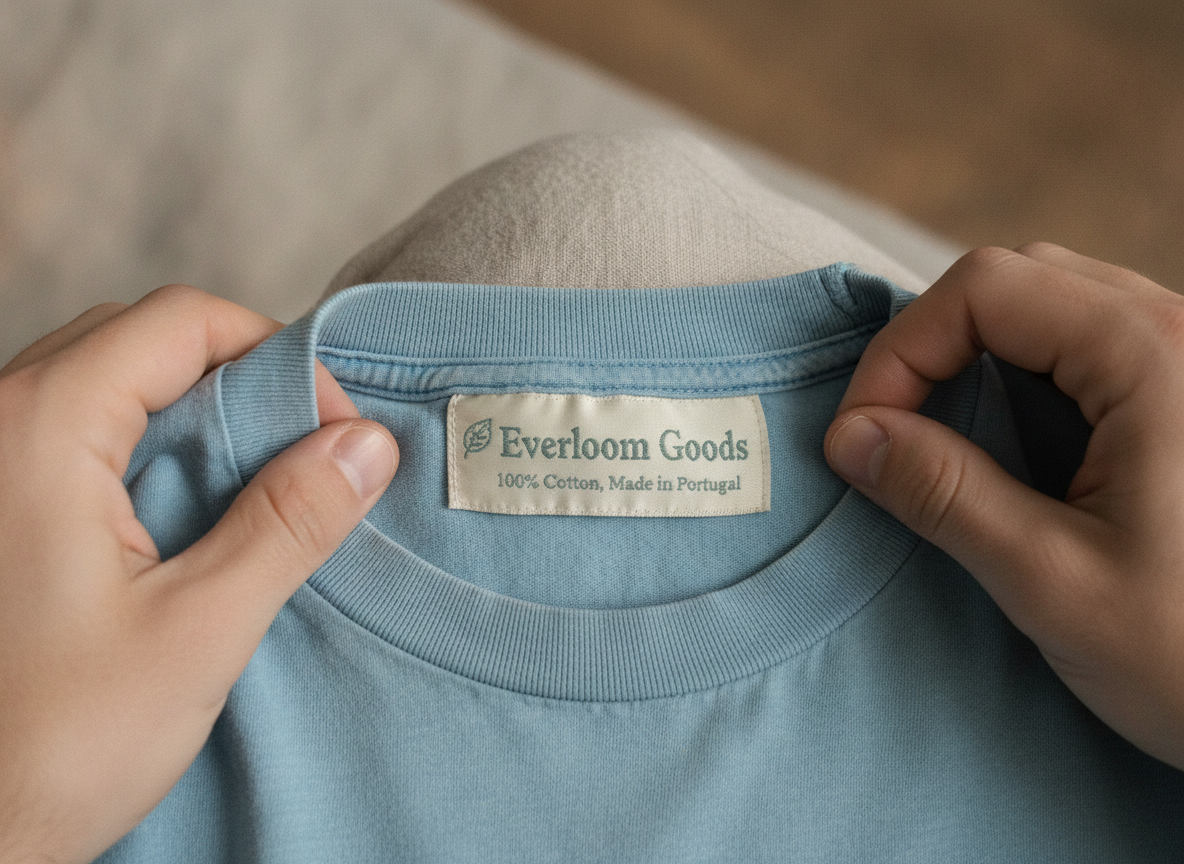
For any brand creating clothing, accessories, or textile products, the small detail of a label holds immense power. It communicates your brand identity, provides crucial information, and enhances the overall perceived value of your item. However, the decision between label types is not always straightforward. Specifically, choosing between woven labels vs printed labels durability is a critical consideration that impacts your product's longevity, aesthetics, and overall customer experience. This article explores the fundamental differences, advantages, and ideal applications for both, helping you make an informed choice.
Understanding the Core Differences in Label Manufacturing
Before diving into the specifics of performance, let us first clarify what distinguishes woven labels from their printed counterparts. Their manufacturing processes are inherently different, which consequently dictates their characteristics.
Woven labels emerge from a sophisticated process where individual threads, often polyester, cotton, or damask, interlace on a loom. This method creates the design, text, and colors directly within the fabric structure. Think of it like a miniature tapestry; each element is an integral part of the label itself. This intricate weaving process imbues the label with a distinct texture and depth. Furthermore, the European loom quality often defines the sharpness and intricacy of the weave, producing exceptionally fine details.
In contrast, manufacturers create printed labels by applying ink onto a pre-existing fabric substrate. Common materials for printed labels include satin, cotton, nylon, or synthetic blends. Digital or screen-printing methods transfer the design onto the surface of the material. This technique allows for a wide range of colors and photographic precision. Consequently, printed labels often feel smoother and thinner compared to woven alternatives, presenting a different tactile experience for the end-user.
Woven Labels vs Printed Labels Durability - The Lifespan Factor
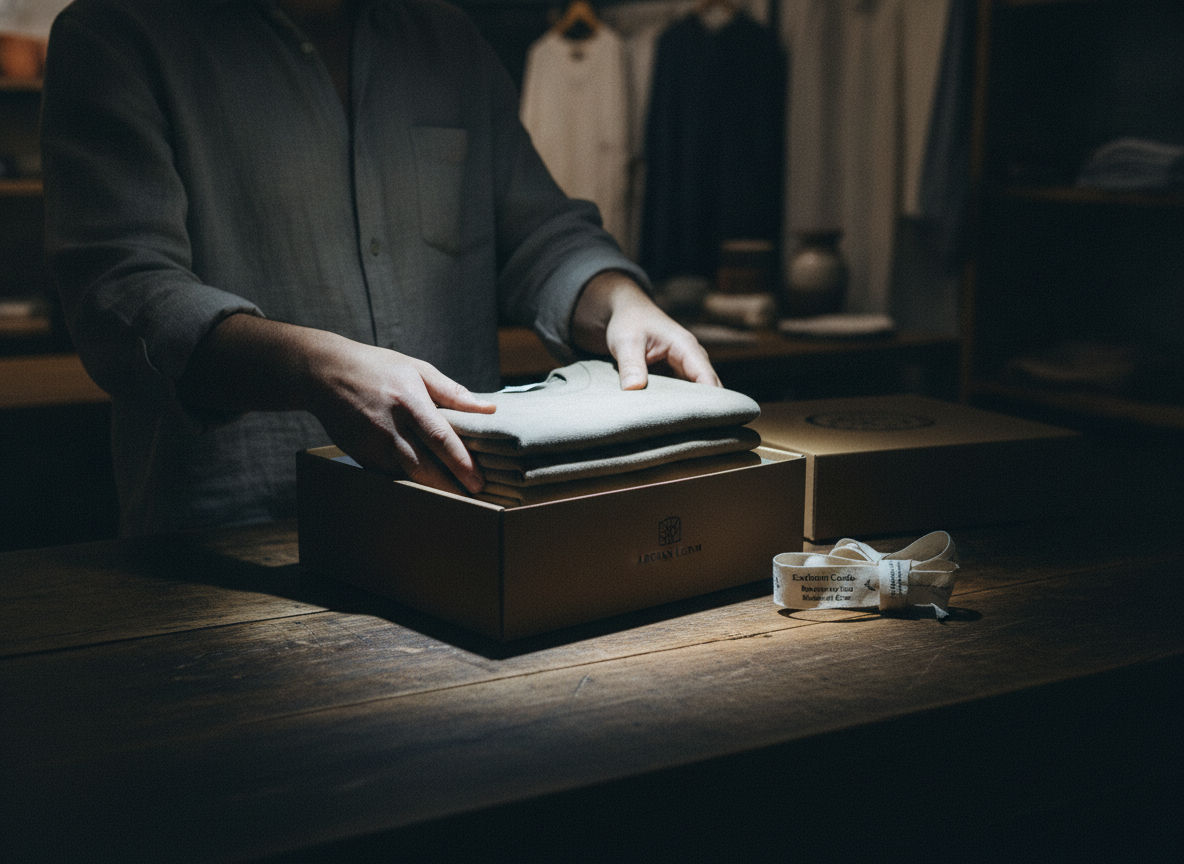
When you consider a label for your product, its ability to withstand wear and tear is paramount. Therefore, comparing woven labels vs printed labels durability is often a decisive factor for many brands.
Woven labels inherently offer superior durability. Because the design is part of the label's structure, created by interwoven yarns, it resists fading, unraveling, and degradation even after numerous washes and prolonged use. The threads hold their color remarkably well. Additionally, the robust nature of the weave ensures the label maintains its integrity and shape throughout the product's life cycle. For example, a high-quality woven label on a premium garment will often outlast the garment itself, continuing to display brand information clearly. This enduring quality reinforces a brand's commitment to excellence.
Printed labels, however, present a different durability profile. Their longevity primarily depends on the quality of the ink, the printing process, and the base material. Over time, and especially with repeated washing, the ink on printed labels can fade, crack, or even peel away. High-temperature washing cycles or harsh detergents accelerate this degradation. Imagine a care label on an athletic shirt: if the washing instructions become illegible after a few cycles, it undermines the label's purpose. Therefore, brands must carefully select printing methods and materials to maximize the lifespan of printed labels. For instance, some manufacturers use specialized inks designed for greater wash resistance, yet they still generally cannot match the inherent resilience of a woven design.
Aesthetics, Feel, and Brand Perception
Beyond durability, labels play a significant role in how customers perceive your brand and product. Both woven and printed labels offer distinct aesthetic and tactile qualities that contribute to this perception.
Woven labels convey a sense of craftsmanship and premium quality. The texture of the interwoven threads provides a sophisticated, almost artisanal feel. Brands can choose from various weaves, such as damask for intricate detail and a soft touch, or taffeta for a more robust, slightly coarser texture. The colors in woven labels, derived directly from the dyed yarns, appear rich and vibrant. This method allows for a subtle sheen or matte finish depending on the fiber used. For instance, a beautifully woven brand logo on the neckline of a jacket immediately communicates luxury and attention to detail. Consequently, many high-end fashion brands and custom clothing designers favor woven labels to elevate their product's image. Moreover, the inherent softness of finely woven damask labels makes them ideal for direct skin contact, like on baby clothing, providing comfort without irritation.
Printed labels, conversely, offer a sleek, smooth, and often lightweight aesthetic. They excel at reproducing highly intricate designs, fine lines, small text, and even gradient colors that woven labels might struggle with due to the limitations of thread thickness. Think of detailed graphics, QR codes, or complex illustrations; printing accommodates these with precision. While they lack the tactile depth of woven labels, their smooth surface can feel pleasant against the skin, especially on activewear or lingerie. For example, brands often use printed satin labels for lingerie or delicate items where a completely smooth, non-intrusive feel is crucial. However, the print's quality directly impacts its visual appeal; a poorly printed label with visible pixelation or uneven ink coverage detracts from the product's professionalism.
Cost, Production, and Design Flexibility Factors
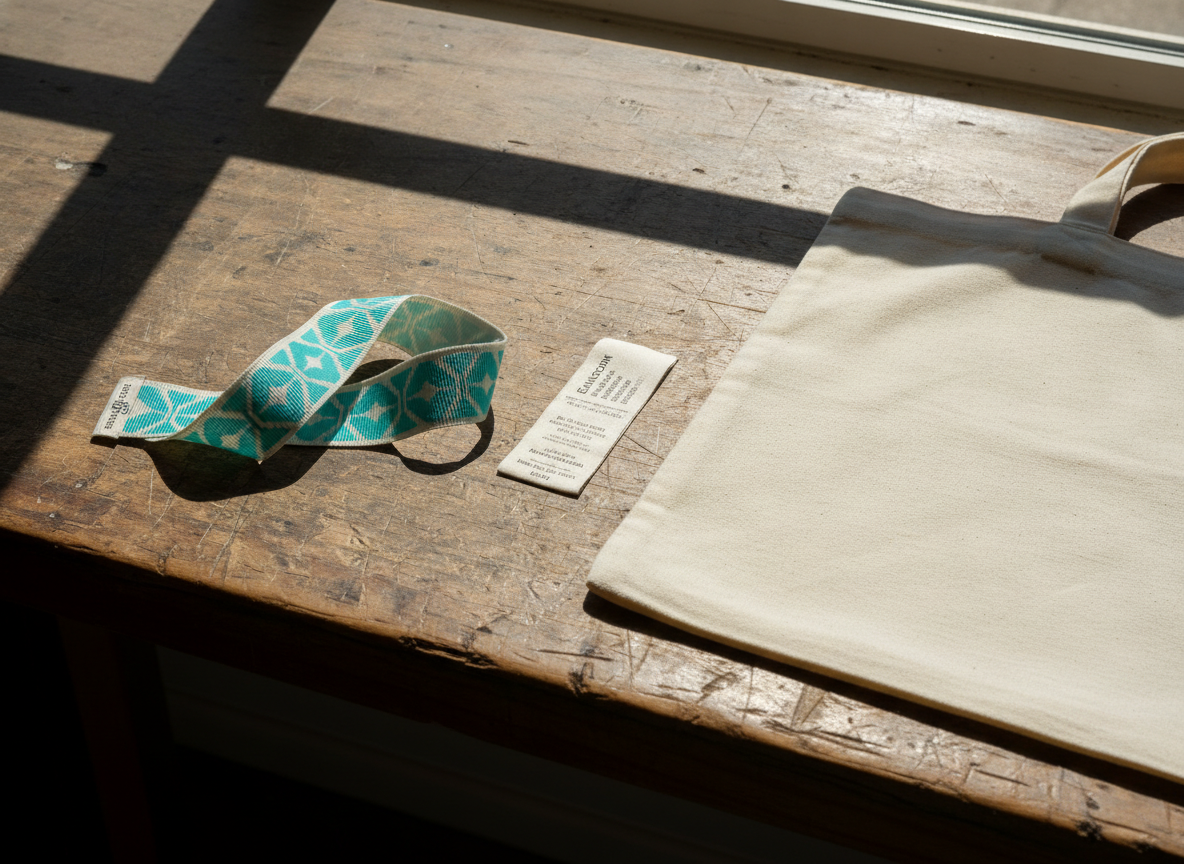
The practicalities of cost, production timelines, and design flexibility also weigh heavily in the woven vs. printed label debate. Brands must balance their budget with their creative vision and operational needs.
Generally, woven labels involve a higher initial setup cost due to the intricate programming and setup of the weaving looms. However, once the setup is complete, the unit cost decreases significantly with larger order volumes. This makes woven labels a more cost-effective choice for brands planning substantial production runs. The production timeline for woven labels is typically longer as well, given the specialized weaving process. From a design perspective, woven labels offer excellent color reproduction with specific yarn colors, ensuring brand consistency. However, they face limitations with gradients or extremely fine, photographic details. HiLabels, with its European loom quality, expertly manages these design complexities to deliver crisp, clear woven designs.
Conversely, printed labels usually feature lower initial setup costs, making them highly accessible for startups, small businesses, or limited-edition product lines. The per-unit cost remains relatively consistent across different quantities, although bulk orders still offer some savings. Manufacturers produce printed labels much faster, making them suitable for time-sensitive projects or rapid design iterations. Their design flexibility is a major advantage; they accommodate full-color graphics, intricate patterns, and detailed text without the constraints of weave patterns. For example, a designer wanting to include a complex floral pattern or a precise geometric motif can achieve this more readily and affordably with printing. However, the exact reproduction of specific brand colors can sometimes be more challenging with inks compared to pre-dyed yarns.
Applications and Best Use Cases for Each Label Type
Understanding the unique strengths of each label type allows brands to make strategic choices for different product lines and branding needs. Their applications often differ based on the product's purpose, target market, and brand positioning.
Woven labels excel in applications where durability, a premium feel, and lasting brand recognition are paramount. High-end apparel, designer goods, durable outdoor gear, and children's clothing are prime candidates. The inherent strength of the weave means these labels withstand constant friction, stretching, and numerous washes without degrading. Consider main brand labels sewn into the neck of a quality shirt; a woven label here speaks volumes about the garment's craftsmanship. Furthermore, they are excellent for items that receive frequent handling, such as bags or upholstery, where the label's integrity must endure. The tactile quality also adds to the overall luxury experience consumers associate with premium products.
Printed labels find their ideal niche in areas prioritizing softness, detailed information, or cost-effectiveness for specific functions. They are the go-to choice for care labels, providing essential washing instructions, fiber content, and country of origin as mandated by regulations like 16 CFR Part 423. The smooth surface of printed satin or cotton labels prevents irritation, making them perfect for garments worn close to the skin, such as intimate wear, activewear, or infant clothing. Manufacturers also utilize printed labels effectively for promotional items, limited edition runs, or products with a short life cycle where extreme durability is not the primary concern. For instance, a temporary branded label for a special event t-shirt can be economically produced as a printed label. Many brands use a combination, employing woven labels for their main brand identity and printed labels for detailed care information, striking a balance between brand messaging and practical utility.
FAQ: Woven Labels vs Printed Labels
Are woven labels always more expensive than printed labels?
Initially, yes. Woven labels have higher setup costs due to the loom programming. However, for large order quantities, the per-unit cost of woven labels often becomes comparable to or even lower than printed labels, making them more cost-effective in the long run.
Can printed labels be soft against the skin?
Absolutely. Manufacturers often produce printed labels on very soft materials like satin or silk, specifically designed for skin-sensitive applications such as lingerie, baby clothes, or athletic wear. The smoothness of the material, rather than the print method, determines the softness.
Which label type is better for sustainability?
Both woven and printed labels can be sustainable depending on the materials used. Woven labels made from recycled polyester or organic cotton are excellent choices. Similarly, printed labels using eco-friendly inks and organic cotton tapes also offer sustainable options. The durability of woven labels can contribute to sustainability, as they last longer, reducing the need for replacement.
Can I get very small text on a woven label?
While woven labels can achieve intricate details with European loom quality, extreme micro-text or very fine lines are sometimes better suited for printed labels due to the inherent thickness of threads. However, modern weaving technology allows for impressive precision.
The choice between woven labels and printed labels ultimately depends on a careful assessment of your brand's values, product type, budget, and desired customer experience. Do you prioritize unparalleled durability and a luxurious feel? Or do you need intricate design flexibility and cost-effectiveness for detailed information? By understanding the unique attributes of each, you empower your brand to select the perfect label that speaks volumes about your product. When you are ready to explore the highest quality custom woven labels or printed labels for your brand, visit HiLabels.com. Our 30+ years of expertise in European loom quality ensures your labels make a lasting impression.


