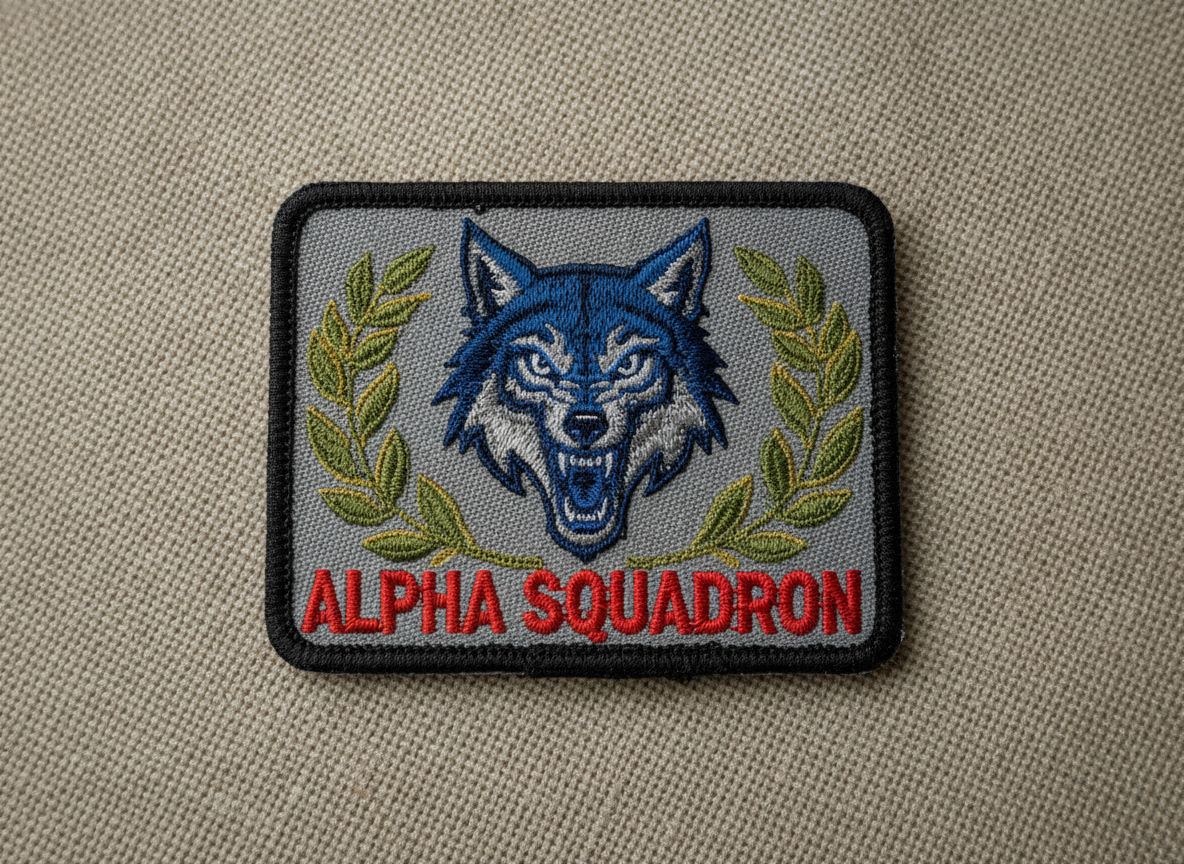
Patches have long served as powerful tools for personal expression, brand identity, and team unity. From military uniforms to fashion accessories, these small textile emblems carry significant meaning. While embroidered patches are widely known, woven patches offer a distinct aesthetic and superior detail. Many wonder, however, how are woven patches made? This detailed overview explores the intricate journey of a woven patch, from initial design concepts to the final product you proudly display.
Understanding the manufacturing process reveals the precision and craftsmanship involved in creating these durable and visually striking textile art pieces. Unlike their embroidered counterparts, which rely on threads stitched onto a fabric base, woven patches are entirely constructed by weaving threads together. This fundamental difference unlocks unique possibilities for fine detail and complex designs, truly setting them apart in the world of custom branding.
Understanding Woven Patches: A Distinctive Choice
Woven patches are a specific type of fabric emblem, created on a loom, much like a piece of cloth. Instead of stitches applied to a surface, the design itself forms an integral part of the fabric structure. This method allows for exceptional resolution and clarity, capturing intricate details that often prove challenging for traditional embroidery. Therefore, brands increasingly select woven patches when their logos or artwork demand sharp lines and small text.
The thread density in a woven patch is significantly higher compared to embroidery. This results in a smoother, flatter surface, which contributes to both aesthetic appeal and durability. Furthermore, woven patches feel softer and lighter. Consequently, they conform better to garments and skin, enhancing comfort when applied to clothing or other textile products. This inherent flexibility also makes them an excellent choice for a wide range of applications, from intricate uniform badges to sophisticated fashion labels.
How Are Woven Patches Made? The Intricate Process Begins
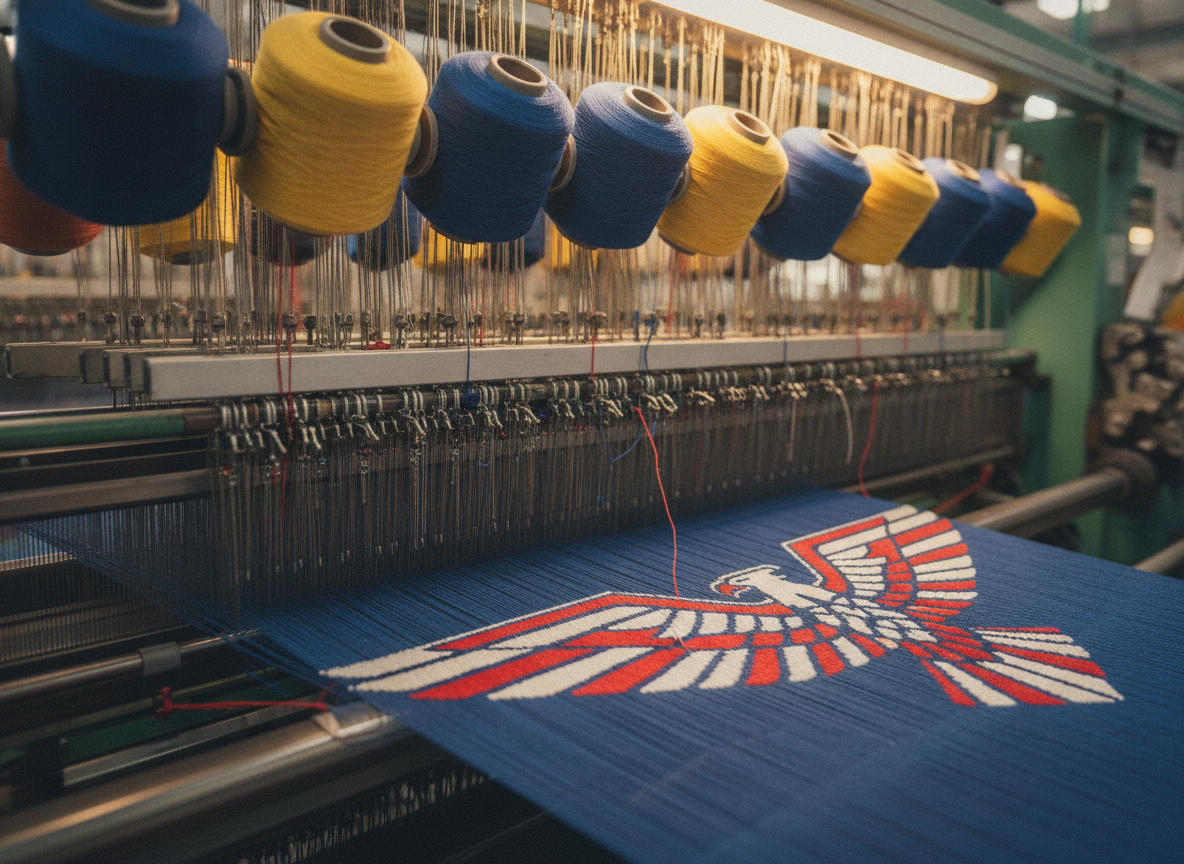
The journey of creating a high-quality woven patch involves several crucial steps, each requiring precision and expertise. This manufacturing process combines traditional weaving techniques with modern digital technology. Therefore, manufacturers like HiLabels ensure exceptional results for every custom order. Let's delve into the key stages that answer the question: how are woven patches made?
First, the client submits their design. This artwork can be a logo, an illustration, or any graphic they wish to transform into a patch. Designers then meticulously review the artwork for clarity, color accuracy, and overall feasibility for weaving. This initial assessment is critical to ensure the final product faithfully represents the client's vision. Consequently, open communication between the client and the design team streamlines this foundational stage.
From Concept to Weave: The Design and Digitization Phase
The creation of a woven patch begins long before any threads meet a loom. It starts with the client's vision and its transformation into a production-ready file. This critical initial phase involves several precise steps that ensure the final woven product perfectly matches the intended design.
Artwork Preparation and Review
Firstly, an expert team evaluates the submitted artwork. They check for resolution, color consistency, and any fine details that might present challenges during the weaving process. Often, clients provide vector files, which offer the best starting point for scalability and clarity. However, if the artwork is raster-based, skilled graphic designers meticulously convert and optimize it. They ensure every line and curve translates cleanly into a weaveable format.
Digitization and Punching
Once the artwork is finalized, it moves to the digitization stage. Here, specialized software converts the graphic design into a series of commands for the weaving loom. This process, sometimes referred to as 'punching,' maps out the exact sequence in which different colored threads will interlace. The digitizer assigns specific thread colors, determines the weave patterns, and defines the patch's overall dimensions and shape. This digital file, often a .DST or .EMB format, serves as the blueprint for the entire weaving operation. Accurate digitization is paramount; it directly influences the sharpness of details and the vibrancy of colors in the finished patch.
The Art of Weaving: Precision on European Looms
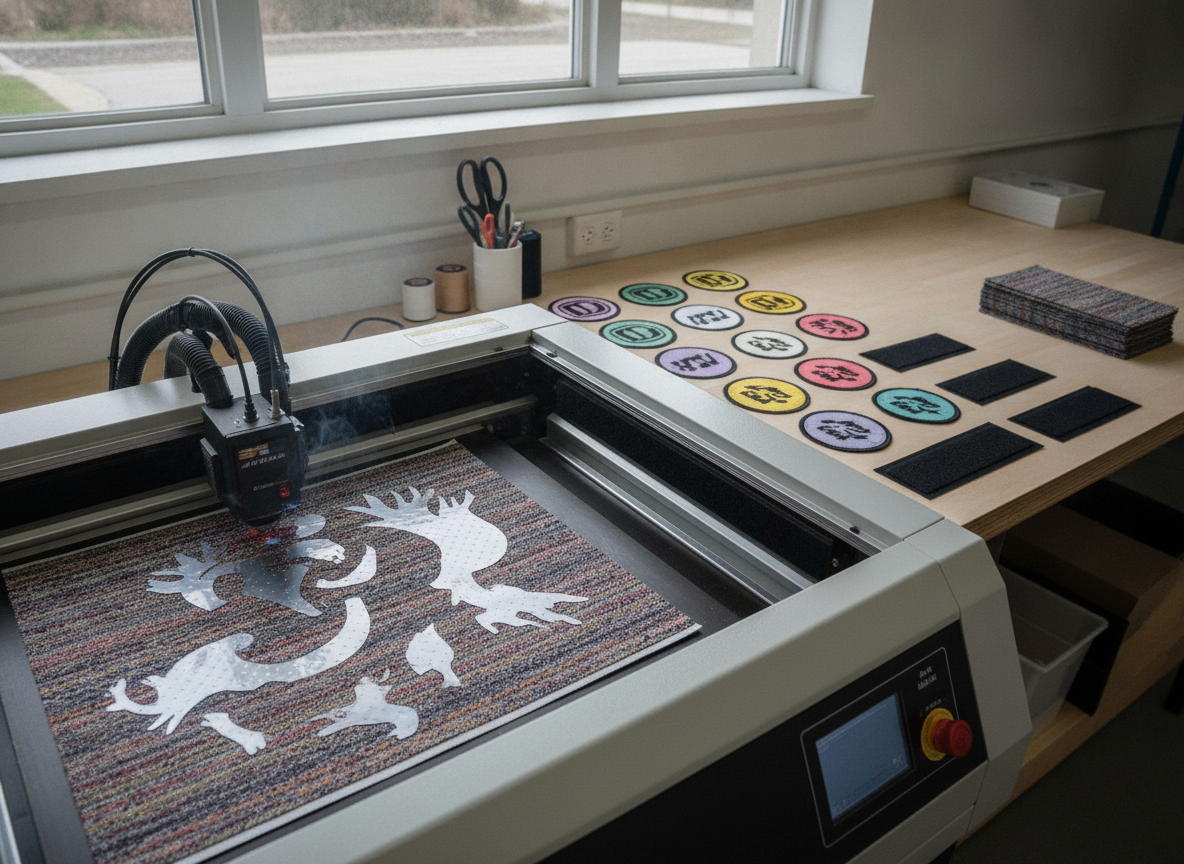
With the digitized design ready, the process transitions to the weaving floor, where European loom quality truly shines. This stage is where the magic happens, transforming digital data into a tangible, textured patch.
State-of-the-art weaving looms, often Jacquard looms, execute the digitized pattern. These sophisticated machines can handle numerous individual threads simultaneously, interweaving them horizontally (weft) and vertically (warp) to construct the fabric. Each thread color corresponds to a specific part of the design. The loom precisely controls which threads are lifted and lowered with each pass. This intricate dance of threads gradually builds up the image, pixel by pixel, or rather, thread by thread. The superior precision of European looms allows for incredibly fine thread counts. This results in extremely detailed patches with crisp lines and vibrant, consistent colors. For example, some HiLabels woven patches utilize very fine denier threads, achieving unparalleled detail in logos and text.
The choice of thread material also plays a significant role here. Polyester threads are commonly used due to their durability, colorfastness, and resistance to shrinking and fading. Moreover, their wide availability in a vast spectrum of colors ensures that virtually any design can be accurately reproduced. This meticulous weaving process is fundamentally how are woven patches made with such remarkable clarity and resilience.
Finishing Touches: Shaping, Backing, and Edge Options
Once the patches are woven on the loom, they come off as a continuous strip of fabric, similar to a bolt of cloth. However, they are not yet individual patches ready for application. This woven fabric undergoes several crucial finishing stages to become the high-quality product customers expect.
Cutting and Shaping
Firstly, technicians use specialized cutting machines to separate the patches from the continuous roll. These machines can cut the patches into virtually any shape, including standard circles, squares, rectangles, or intricate custom shapes that perfectly follow the contours of the design. Laser cutting offers exceptional precision, particularly for complex shapes and delicate internal cutouts. This method also provides a clean, sealed edge that prevents fraying, enhancing the patch's longevity.
Edge Finishes
The edges of a woven patch are just as important as the design itself. A merrowed border, commonly seen on embroidered patches, involves stitching a finished edge around the patch. This creates a raised, classic look. However, for woven patches, a 'hot-cut' or laser-cut edge is often preferred. This method provides a clean, flat border that is seamlessly integrated into the patch's design, perfectly complementing its smooth, high-detail finish. It also prevents fraying without adding bulk.
Backing Options
Finally, various backing options prepare the patches for different applications:
- Iron-On: Features a heat-activated adhesive layer on the back, allowing for easy application with a household iron or heat press.
- Sew-On: No special backing; these patches are simply sewn directly onto the garment or item. This provides the most secure and permanent attachment.
- Velcro: Includes a hook-and-loop fastener on the back, making patches easily removable and interchangeable.
- Self-Adhesive (Peel & Stick): A temporary backing, ideal for events or situations where a non-permanent attachment is desired.
Each backing type offers distinct advantages, catering to different user needs and application methods. Selecting the right backing is a crucial part of the customization process, ensuring the patch performs as intended.
Beyond Aesthetics: The Durability and Versatility of Woven Patches
Woven patches offer more than just exquisite detail; they also deliver exceptional durability and versatility. These characteristics make them a preferred choice for brands seeking longevity and a premium feel for their custom embellishments. The tightly woven structure inherently resists fraying, stretching, and fading, ensuring that the patch maintains its pristine appearance through extensive wear and washing. This makes them ideal for items that endure rigorous conditions, such as uniforms, outdoor gear, and children's clothing. Furthermore, the vibrant colors locked into the weave remain true over time, resisting the effects of UV exposure and repeated laundering.
Their thin, flexible profile also contributes to their versatility. Woven patches integrate smoothly onto various fabrics without adding significant bulk. This enhances comfort when applied to garments worn close to the skin. Designers find them particularly useful for capturing intricate brand logos, small text, or complex photographic designs that would be difficult, if not impossible, to achieve with traditional embroidery. Consequently, woven patches are an excellent solution for high-end fashion, corporate branding, and detailed commemorative items. They represent a significant upgrade in quality and detail, embodying both aesthetic excellence and practical resilience.
Frequently Asked Questions About Woven Patches
- Q: What is the main difference between woven and embroidered patches?
- A: Woven patches create the design by weaving threads together to form the entire patch fabric, resulting in very fine detail and a smooth, flat surface. Embroidered patches, conversely, stitch threads onto a base fabric, leading to a raised texture and slightly less intricate detail.
- Q: Can woven patches feature small text and intricate details?
- A: Absolutely. Woven patches excel at capturing small text and complex designs due to their high thread count and fine weaving capabilities. This makes them perfect for detailed logos or small print.
- Q: What materials are typically used for woven patches?
- A: Most woven patches use high-quality polyester threads. Polyester is chosen for its excellent durability, colorfastness, resistance to shrinking, and wide range of available colors.
- Q: What backing options are available for woven patches?
- A: Common backing options include sew-on (no special backing), iron-on (heat-activated adhesive), Velcro (hook-and-loop), and self-adhesive (peel & stick) for temporary applications. The choice depends on how and where you plan to use the patch.
Understanding how are woven patches made reveals a process combining artistry and advanced textile technology. This intricate method ensures each patch delivers exceptional detail and lasting quality. If you're looking to create custom woven patches that perfectly capture your brand's essence with superior resolution and durability, explore the possibilities with HiLabels. Our European loom quality ensures your custom patches meet the highest standards. Visit hilabels.com to start designing your unique patches today.


