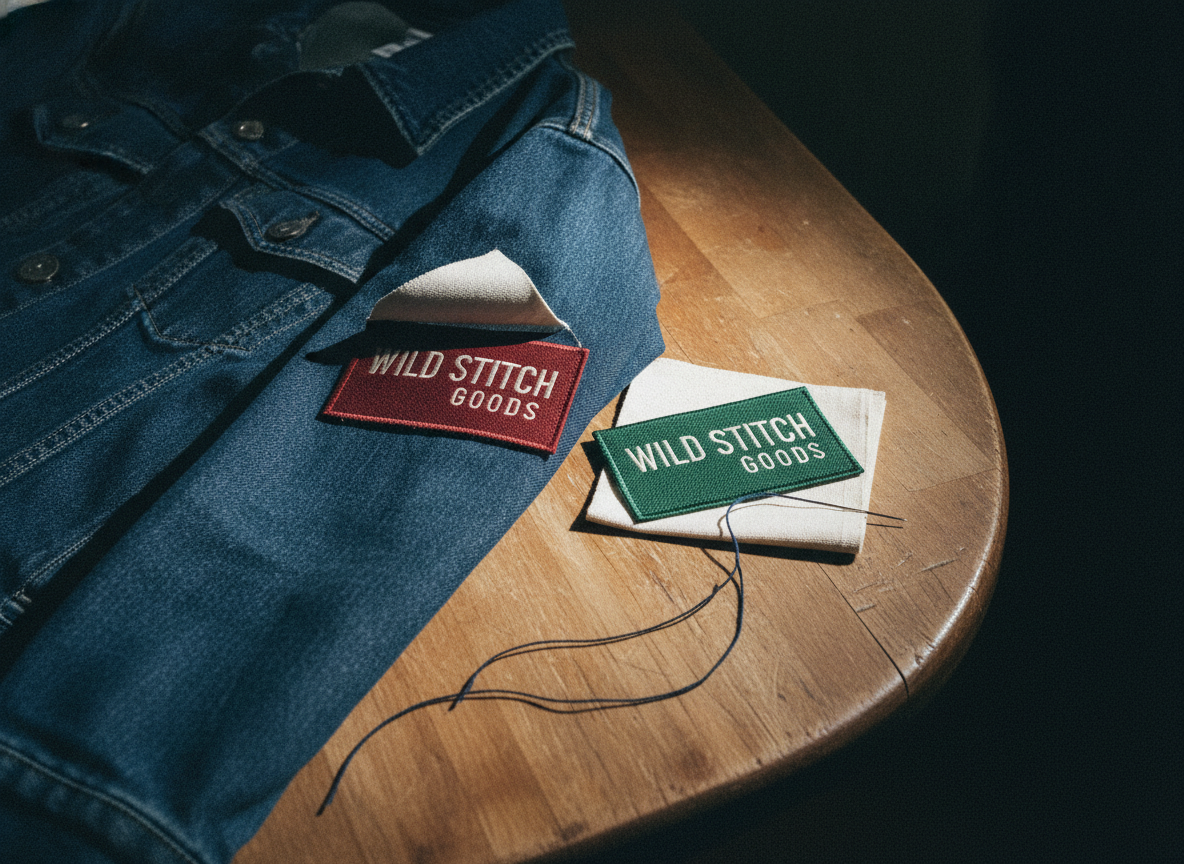
Patches have long served as powerful tools for personal expression, brand identity, and even practical repair. They adorn everything from denim jackets and backpacks to work uniforms and promotional merchandise. However, when it comes to attaching these versatile embellishments, a fundamental question often arises: should you opt for iron on patches versus sew on? This choice is far more nuanced than many realize, impacting not only the application process but also the durability, appearance, and suitability of the patch for specific garments and uses. Understanding the distinct characteristics of each method is crucial for achieving the desired outcome for your project.
Many people assume patches are simply a decorative afterthought. Yet, the method of attachment profoundly affects how the patch integrates with the fabric, how long it lasts, and even its aesthetic appeal. Whether you are a small brand customizing apparel or an individual personalizing your gear, making an informed decision between these two popular attachment styles is essential. We will explore the strengths and weaknesses of both iron-on and sew-on patches, helping you determine the best approach for your needs.
The Enduring Appeal of Patches
Patches hold a unique place in fashion and utility. Historically, they signified affiliation, achievements, or repairs. Today, they continue this tradition, allowing individuals and businesses to convey messages, showcase designs, or simply add a touch of personality to fabric items. Their versatility makes them a favorite for various applications, from school uniforms and sports teams to fashion brands and DIY enthusiasts. Patches offer a tactile, often textured element that printed designs cannot fully replicate, giving garments a sense of craftsmanship and permanence.
For brands, custom patches are an excellent way to elevate apparel and accessories. They provide a high-quality branding opportunity, often associated with durability and a classic aesthetic. Whether it's a simple logo or an intricate design, patches add value and uniqueness. Consumers also appreciate the ability to personalize their belongings, turning a mass-produced item into something distinctively their own. This strong appeal ensures patches remain a relevant and popular choice for fabric decoration and branding.
Iron On Patches Versus Sew On: A Direct Comparison
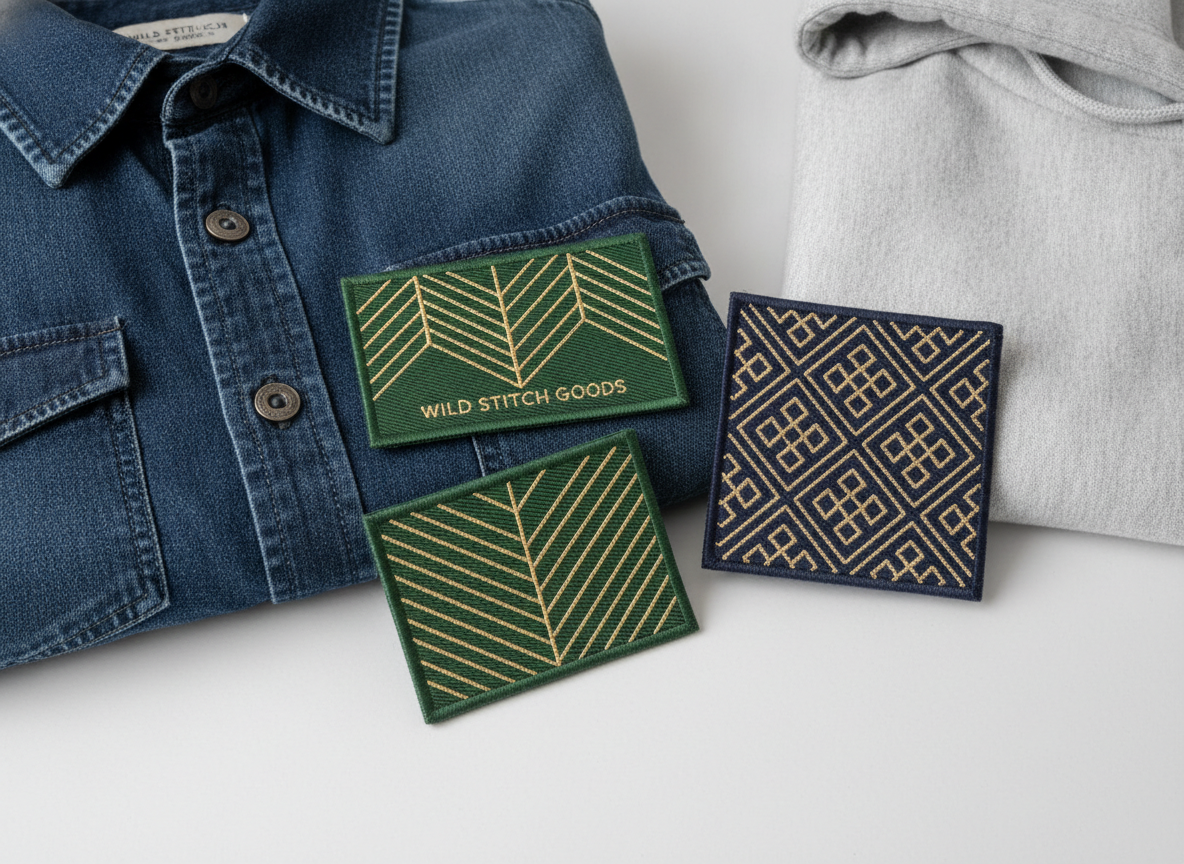
At the heart of the decision lies the core difference: the method of attachment. Iron-on patches feature a heat-activated adhesive backing. You position the patch, cover it with a cloth, and apply heat with an iron, melting the adhesive to bond it to the fabric. In contrast, sew-on patches require needle and thread, or a sewing machine, to physically stitch them onto the material. This fundamental distinction creates a cascade of differences in application time, required skill, durability, and aesthetic finish. Each method excels in different scenarios, making a blanket recommendation impossible without considering specific project requirements.
When comparing iron on patches versus sew on, it's not just about convenience. You must consider the type of fabric, the expected wear and tear, and the desired lifespan of the patch. For example, delicate fabrics may not withstand the high heat required for ironing, while items that endure frequent washing might benefit from the added security of stitching. Therefore, evaluating these factors upfront helps ensure you choose the most appropriate and effective attachment method for your custom patches.
Diving Deeper: Pros and Cons of Iron-On Patches
Iron-on patches offer undeniable convenience. Their primary advantage is the ease and speed of application. With just an iron and a steady hand, anyone can attach a patch in minutes without needing specialized sewing skills or equipment. This makes them incredibly popular for quick customizations, last-minute repairs, or projects where efficiency is paramount. For DIY enthusiasts or individuals looking to personalize items quickly, iron-on patches are often the go-to choice. They also create a smooth, flat finish against the fabric, avoiding any visible stitching lines around the edge of the patch.
However, iron-on patches come with their limitations. Their durability can be a concern, especially on items subjected to frequent washing or heavy use. The adhesive may weaken over time, causing edges to peel or the entire patch to detach. Certain fabrics, such as nylon, silk, or leather, simply cannot tolerate the high heat required for proper adhesion, potentially damaging the material. Furthermore, if not applied correctly, or if the garment is stretched, the adhesive bond can crack or fail. This method is generally less permanent than sewing, making it a less ideal choice for cherished items or high-wear apparel.
Diving Deeper: Pros and Cons of Sew-On Patches
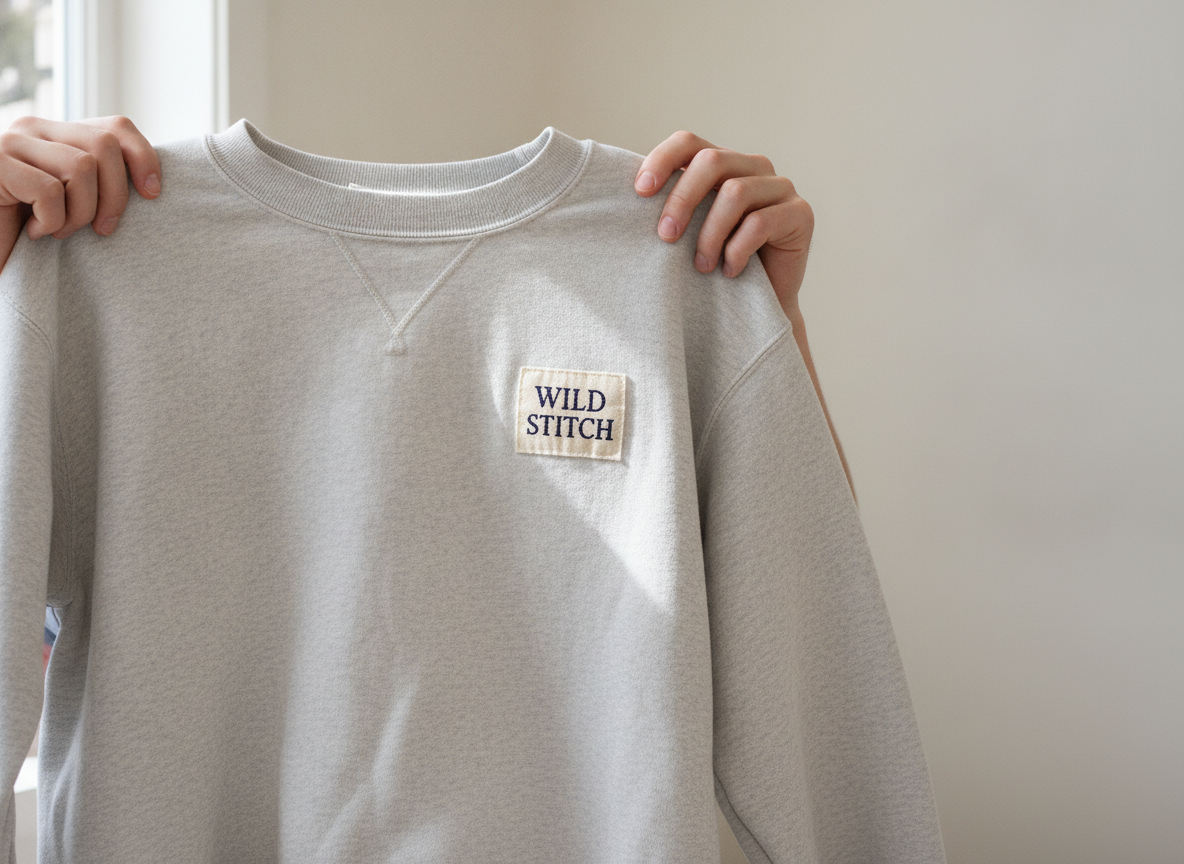
Sew-on patches are the traditional method, prized for their superior durability and longevity. When properly stitched, a sew-on patch becomes an integral part of the garment, capable of withstanding countless washes, heavy use, and significant stress without fear of detachment. This makes them the preferred choice for uniforms, outdoor gear, backpacks, and any item where the patch needs to endure the rigors of everyday life. Moreover, sewing allows for application on virtually any fabric, from delicate silks to thick leather, without concerns about heat damage. This versatility makes sew-on patches incredibly adaptable.
The main drawback of sew-on patches is the time and skill required. Hand-sewing can be a meticulous and time-consuming process, especially for intricate designs or large patches. While a sewing machine speeds things up, it still requires a level of proficiency that not everyone possesses. The visible stitching around the edge, while often a desirable aesthetic for some, might not appeal to everyone. Despite these challenges, the permanence and robust nature of sew-on patches often outweigh the initial effort, especially for professional applications or items intended for long-term use. For brands prioritizing longevity and a premium feel, sew-on custom patches are generally the superior option.
Choosing Your Method: Factors to Consider
When deciding between iron on patches versus sew on, several factors will guide your choice. First, consider the **fabric type**. As mentioned, high heat can damage delicate or synthetic materials. For items made of polyester, nylon, rayon, or blends, sewing is often the safer bet. Secondly, think about the **expected lifespan** and **wear frequency** of the item. If it's a decorative piece rarely washed, iron-on might suffice. For everyday wear, children's clothing, or items that will see heavy use and frequent laundering, the secure attachment of sewing is paramount. For example, the federal Care Labeling regulation offers guidance on product care, indicating the types of stresses garments might endure. Understanding proper garment care helps you anticipate patch longevity.
Next, evaluate your **skill level and available tools**. If you lack sewing experience or a machine, iron-on patches offer a low barrier to entry. Conversely, if you enjoy crafting or have access to sewing equipment, the quality of a sewn patch is often worth the extra effort. The **desired aesthetic** also plays a role. Do you prefer a seamless look, or do visible stitches add to the charm of your design? Finally, consider the **value of the item**. For an expensive jacket or a sentimental piece, choosing the most secure and long-lasting method, even if it requires more effort, is usually the wisest decision. HiLabels specializes in crafting high-quality custom patches that can be designed for either application method, ensuring versatility for your projects.
Application Tips for Both Patch Types
Proper application is crucial for the success of any patch, regardless of whether you choose iron-on or sew-on. For iron-on patches, always pre-heat your iron to the hottest setting suitable for your fabric, without steam. Lay the garment on a firm, flat surface and place a thin pressing cloth (like a pillowcase) over the patch to protect it and the garment. Press down firmly for 20-30 seconds, applying even pressure. Flip the garment inside out and repeat the pressing from the back. Allow the patch to cool completely before handling, as the adhesive needs to set. For maximum durability, a few discreet stitches around the edge of an iron-on patch can significantly extend its life, especially on high-wear items.
When applying sew-on patches, precise placement is key. Use pins or temporary fabric adhesive to hold the patch in position before stitching. Choose a strong, color-matched (or contrasting for aesthetic effect) polyester thread. For hand-sewing, a simple running stitch or whipstitch around the perimeter works well. Ensure your stitches penetrate both the patch's border and the garment fabric securely. If using a sewing machine, a narrow zigzag stitch set to a medium length is ideal for neatly securing the edges. Always backstitch at the beginning and end to prevent unraveling. For very thick patches or delicate garments, it may be helpful to use a thimble and a sharp, sturdy needle. If you have custom artwork for patches, it is always a good idea to consider understanding copyright protection for your designs.
Longevity and Care: Maximizing Your Patch's Lifespan
Ensuring the longevity of your patches extends beyond just the application method; proper care plays a significant role. For garments with iron-on patches, always wash in cold water on a gentle cycle, and turn the garment inside out before washing. Avoid harsh detergents and bleach, which can degrade the adhesive. Tumble dry on a low heat setting or, even better, air dry to minimize stress on the patch. High heat in a dryer can reactivate the adhesive, potentially causing the patch to shift or peel. Regular inspection of iron-on patches for signs of peeling can allow for timely re-application or a quick reinforcement stitch.
Sew-on patches generally tolerate washing and drying much better due to their physical attachment. However, following the garment's care instructions remains vital. Washing in cold water and air drying whenever possible helps preserve both the patch and the garment fabric, extending their overall life. Avoid excessive scrubbing or direct ironing over embroidered areas, which can flatten the stitching. If a thread on a sew-on patch comes loose, re-stitch it promptly to prevent further unraveling. HiLabels crafts durable, high-quality custom patches designed to endure, and with proper care, they will maintain their vibrant appearance and secure attachment for years to come.
FAQ
Q: Can I iron an iron-on patch onto a backpack?
A: It depends on the backpack's material. If the backpack is made of canvas or thick cotton, an iron-on patch might work. However, many backpacks are made of nylon or other synthetic materials that cannot withstand high heat, making sewing a safer and more durable option.
Q: How can I make an iron-on patch more secure?
A: To increase an iron-on patch's security, apply a few discreet hand stitches around its perimeter after ironing it on. This provides an extra layer of attachment, especially for items that will be washed frequently or experience heavy use.
Q: Is it possible to remove an iron-on patch?
A: Removing an iron-on patch is often possible but can leave adhesive residue or damage the fabric. Carefully applying heat with an iron can sometimes loosen the adhesive enough to peel the patch off, but proceed with caution and test on an inconspicuous area first.
Q: Can I use both methods together?
A: Yes, combining both methods is an excellent strategy for maximum durability. You can iron on the patch first for initial placement and a flat finish, then sew around the edges to secure it permanently. This hybrid approach offers the best of both worlds.
Choosing between iron on patches versus sew on ultimately depends on your priorities: convenience versus durability, fabric type, and personal skill level. Both methods have their distinct advantages, and understanding these differences ensures your custom patches look great and last for years. For high-quality custom patches that meet your specific needs, explore the options available at hilabels.com.


