Are Magnetic Zipper Pulls Practical for Bags and Jackets?
A magnetic zipper pull can be practical for bags and jackets, but only when the magnet supports the design rather than replacing the basic mechanics of the zipper. The zipper still needs a secure slider, a reliable attachment point and a pull shape that is easy to grip. Magnets can add convenience, style and a satisfying snap, but they also introduce questions about strength, safety, laundering and where the product will be used.
For brands, the real question is not whether magnets are clever. It is whether they solve a handling problem better than a metal, rubber, cord or woven pull. If the answer is yes, the design can feel premium and distinctive. If the answer is no, a magnetic detail can become an expensive weak point.
What a magnetic zipper pull can and cannot do
A magnetic pull does not make the zipper itself magnetic. The slider still opens and closes by moving along the teeth or coil. The magnet usually does one of three jobs: it helps the pull dock flat against the product, it pairs two pulls together or it lets a decorative tab attach and detach from a base.
That distinction matters because a pull that depends only on magnetic attraction can detach under stress. A better structure uses a mechanical connection to the zipper slider, then adds magnetism for alignment, storage or tactile feel. In other words, the magnet should be a feature, not the only thing keeping the pull in place.
A magnetic zipper pull is most practical when it improves daily handling without compromising durability. It may help a user find a pocket by touch, reduce dangling hardware or keep two zipper pulls neatly together on a bag opening. It is less practical when the product will be washed often, used around sensitive equipment or exposed to heavy abrasion.
Where magnets make sense on bags
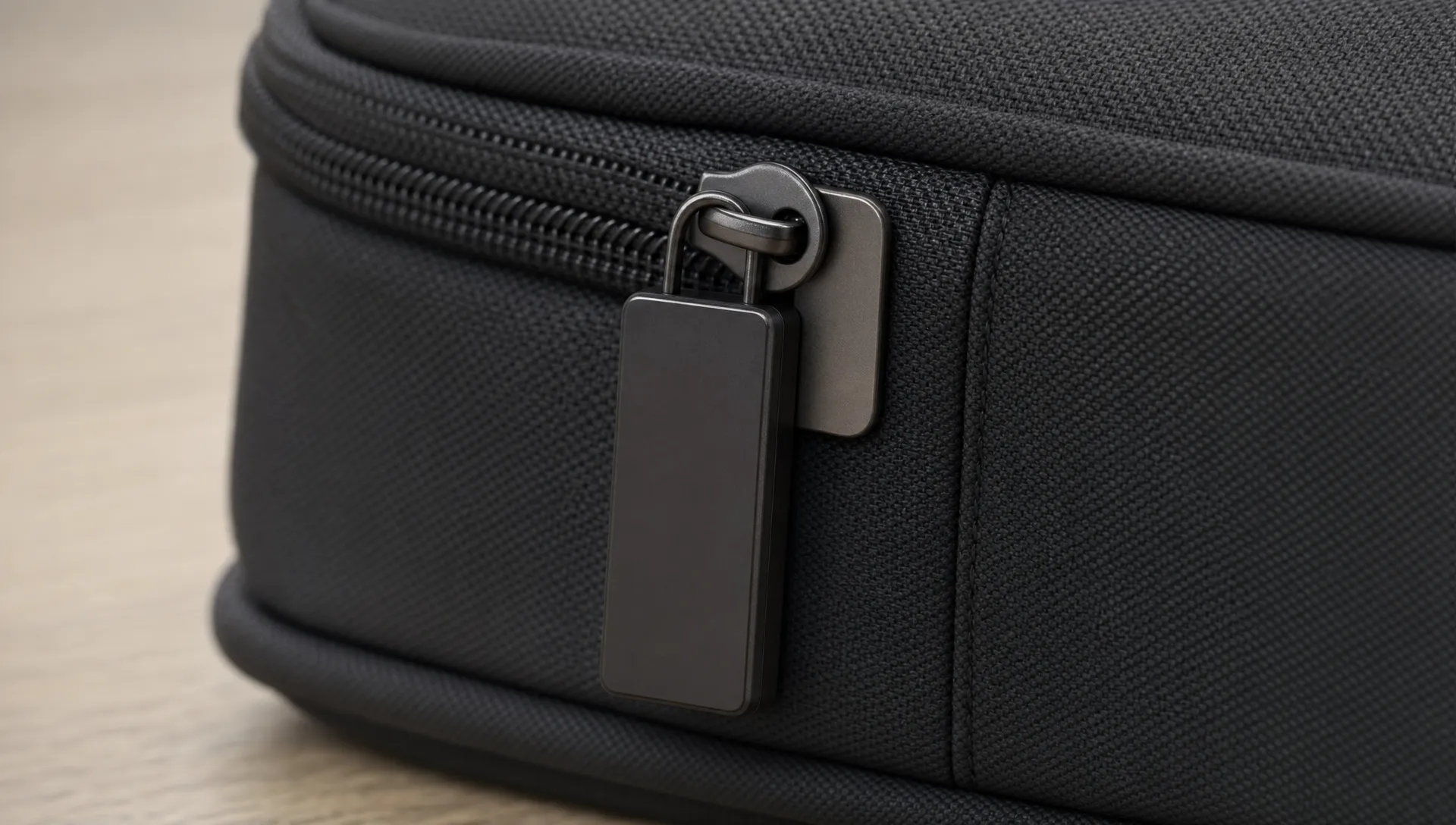
Bags are usually the stronger use case because they offer more room for hardware, reinforcement and decorative details. A travel pouch, sling bag, camera insert or premium tote can use a magnet to keep the pull neatly docked against a small metal plate. This can reduce jingling and make the bag look cleaner when it is not being opened.
For bags, a magnetic zipper pull makes the most sense on pockets that are opened frequently but not under heavy load. Think accessory compartments, organizer panels, cosmetic pouches and light everyday carry pockets. The pull needs to be large enough to grab, but not so heavy that it swings, twists the slider or pulls the zipper open while the bag moves.
There are trade-offs. Magnets can attract small metal debris like pins, staples or filings, especially in workshops, sewing rooms and industrial environments. They can also interact poorly with magnetic stripe cards if a strong magnet sits directly against a card pocket. Modern chip cards and phones are generally more resilient than older magnetic media, but good product design avoids unnecessary contact between magnets and payment cards.
If a brand wants the premium feel of metal without magnetic complications, metal zipper pulls are often the more straightforward choice for backpacks, duffels and structured bags.
Are they practical for jackets?
Jackets are a tougher environment. A pull on outerwear has to work with gloves, survive repeated movement, resist weather and avoid becoming uncomfortable against the body. The pull may also sit near the chest, neck or pocket contents, which makes magnet placement more sensitive than on a bag.
For jackets, a magnetic zipper pull can work if it is small, smooth and mechanically tethered. It may be useful on a ski pass pocket, a detachable hood pocket or a sleeve pocket where the user needs quick access with gloved hands. The pull should not be so strong that it snaps onto nearby metal objects or sticks awkwardly to the main zipper track.
The biggest concern is not ordinary wear. It is the combination of laundering, temperature shifts, sweat, impact and safety expectations. Magnets must be sealed well enough to resist corrosion and should not loosen inside a textile product. If the jacket is meant for workwear, healthcare, children or performance outdoor use, the design needs extra caution.
The U.S. Food and Drug Administration has advised keeping consumer products with magnets at least 6 inches away from implanted medical devices such as pacemakers and defibrillators. A jacket pull sits close to the body, so a brand should think carefully before placing strong magnets on chest pockets or center-front closures.
Practicality by product type
The best answer depends on the product category. A magnet that feels refined on a small lifestyle pouch may be a poor choice for a child’s jacket or a rugged work bag.
| Product type | Practicality | Why it may work | Main caution |
|---|---|---|---|
| Cosmetic pouch | High | Light use, small scale and strong visual appeal | Keep magnets away from loose metal tools |
| Handbag pocket | Medium to high | Can reduce dangling and create a clean finish | Avoid direct contact with card slots |
| Backpack compartment | Medium | Useful for organizer pockets and paired pulls | Needs strong mechanical attachment |
| Travel duffel | Medium | Can improve grip and pocket identification | Heavy motion may cause noise or detachment |
| Winter jacket pocket | Medium | Helpful with gloves if the shape is generous | Must survive weather and washing |
| Workwear jacket | Low to medium | Could help on limited-access pockets | Safety and equipment compatibility matter |
| Children’s jacket | Low | Small magnets raise avoidable safety concerns | Detachment and ingestion risk |
Design rules that make magnets more reliable
A magnet can feel luxurious when the whole assembly is engineered around it. The common mistake is to add a magnet to an existing pull shape without changing the attachment, weight or product testing plan.
Start with the slider. The pull should attach through a normal bail, ring or loop so it can still operate if the magnet is not engaged. If a magnetic zipper pull is detachable, the detachable part should not be essential for opening the zipper unless the product includes a backup tab.
Next, control the strength. Stronger is not always better. A very strong magnet can make the pull hard to release, attract debris or create safety concerns. A weak magnet, on the other hand, feels gimmicky and may fail during shipping, retail handling or daily use. The goal is a controlled snap that supports the motion of the hand.
Material choice matters too. Metal housings can look premium, but edges must be rounded so they do not scratch coated fabrics or abrade knits. Rubber-style housings can improve grip and soften impact, which is why custom rubber zipper pulls are worth considering when comfort and durability matter more than shine.
Testing before you commit to production
A magnetic detail should be tested as a complete product, not as an isolated component. A pull that works beautifully in hand may behave differently once it is sewn into a bag, packed in a carton or washed with a jacket.
Useful tests include repeated opening cycles, snag checks, drop handling, exposure to moisture and a review of how the pull behaves near likely contents. For bags, test it next to keys, cards, headphones and small tools. For jackets, test it with gloves, with the garment zipped and unzipped, after laundering and with the wearer sitting, bending and carrying a backpack.
A magnetic zipper pull is usually less convincing if it solves only a visual problem. If the magnet improves grip, keeps hardware quiet or makes the pocket easier to locate, it has a clear job. If it only adds novelty, the same budget may be better spent on a sharper logo mold, better material or a more durable attachment.
Brands should also check labeling and use-case risks. Procurement teams that handle employee gear, uniforms or customer information during personalization may need internal documentation for suppliers, approvals and data handling. For companies that want outside help aligning product programs with privacy and operational controls, governance, risk and compliance support can fit naturally into the broader launch process.
Better alternatives when magnets are not the right fit
If the magnetic concept creates more risk than value, there are plenty of strong alternatives. A shaped metal pull gives a premium feel and long service life. A rubber pull offers grip, color flexibility and a softer touch. A cord pull works well for outdoor gear because it is light, quiet and easy to use with gloves.
For jackets specifically, function usually wins. A large textured tab, cord loop or soft-touch pull may outperform a magnet in cold weather. The best choice depends on the user, the garment weight and how often the zipper will be operated. HiLabels has a deeper guide to the best zipper pulls for jackets if you are comparing material options for outerwear.
For bags, magnets are more viable as a secondary feature. You can use them to park a pull, pair two pulls or create a removable decorative accent. But the zipper should remain usable if the magnet is not engaged. That single rule prevents most practical failures.
When a magnetic concept is worth prototyping
A prototype is worth exploring when the magnet adds a benefit the customer can feel within seconds. Good examples include a pull that clicks into a low-profile dock on a minimalist pouch, a pair of bag pulls that align neatly at the top of a compartment or a glove-friendly tab that parks securely when not in use.
The concept is weaker when the product will be washed often, used by children, placed near medical devices or sold as rugged outdoor gear without additional validation. A magnetic zipper pull can still be part of a premium accessory line, but it should be treated as a specialized hardware decision rather than a universal upgrade.
Before production, ask three questions: does the magnet make the zipper easier to use, does it stay secure through real handling and does it create any avoidable safety or compatibility issue? If all three answers are favorable, the design may be practical. If one answer is uncertain, build a safer version first.
Frequently Asked Questions
Is a magnetic zipper pull safe around phones and cards? It depends on magnet strength, placement and the type of item nearby. Avoid placing strong magnets directly against magnetic stripe cards, hotel key cards or sensitive items. Phone risk is usually lower with modern devices, but conservative spacing is still good design.
Can magnetic pulls be used on waterproof jackets? They can, but the magnet housing and attachment need careful testing. Waterproof garments are exposed to moisture, seam stress and repeated movement, so a mechanically secured pull with sealed magnetic parts is safer than a detachable magnetic-only design.
Do magnetic pulls make bags more secure? Not by themselves. A magnet can help pulls align or dock neatly, but it is not a lock. If security is the goal, use lockable sliders, zipper garages or dedicated closure hardware.
Are magnets worth the added cost? They are worth considering when they improve handling, reduce noise or create a distinctive premium interaction. If the benefit is only decorative, a custom metal, rubber or cord pull may deliver better value.
Build the right zipper pull for your product
If you are considering a magnetic zipper pull, start with the use case before the material. Bags, jackets and accessories all place different demands on grip, strength, comfort and safety. The most practical design is the one your customer can use easily without thinking about the hardware.
HiLabels helps brands create professional custom zipper pulls, woven labels, patches, ribbons and care labels with durable craftsmanship and online ordering support. If a magnetic idea is right for your product, prototype it carefully. If it is not, choose a proven custom pull that gives your brand the same polish with fewer trade-offs.


