
For independent creators, artisans, and small business owners, the appeal of custom branding is undeniable. You put immense effort into crafting unique products; therefore, your branding elements should reflect that same dedication. This is especially true when considering custom embroidered patches small quantity. Previously, obtaining high-quality, bespoke patches often seemed out of reach for anyone not ordering thousands at a time. However, the landscape has significantly shifted, opening doors for makers who need a limited run of distinctive patches.
Embroidered patches add a touch of authenticity and craftsmanship that few other branding methods can replicate. They elevate everything from apparel and accessories to home goods, transforming an item into a branded statement. This article explores the vital considerations for makers looking to order custom embroidered patches in small quantities, guiding you through the process, from initial design concepts to finding the perfect production partner. We aim to equip you with the knowledge needed to make informed decisions, ensuring your patches perfectly capture the essence of your brand without breaking the bank or forcing you into massive inventory.
Why Small Quantity Matters for Makers
The business model of a maker fundamentally differs from that of a large-scale manufacturer. Makers often operate with limited budgets, develop new products frequently, and produce items in small batches or on a made-to-order basis. Consequently, the ability to order custom embroidered patches in small quantity becomes not just a convenience but a necessity for sustainable growth and creative freedom.
Firstly, managing inventory is a significant challenge for small businesses. Ordering thousands of patches when you only need a few hundred can tie up valuable capital and storage space. Small quantity options prevent this issue, allowing you to invest more wisely in other aspects of your business, such as raw materials or marketing. Furthermore, this flexibility empowers you to test new designs or product lines without committing to a huge stock of patches that might not sell. Perhaps you are experimenting with a seasonal collection or a limited-edition collaboration; therefore, a small batch of patches lets you gauge customer interest effectively.
Secondly, small quantities support creative experimentation. Makers thrive on innovation and unique offerings. With lower minimum order requirements, you can afford to try out different patch designs, color palettes, or even backing options more frequently. This iterative process allows you to refine your brand's aesthetic over time, ensuring your patches remain fresh and relevant. It means you can adapt quickly to market trends or simply indulge in your artistic vision without facing a massive financial risk. Ultimately, small quantity orders provide the agility and financial prudence that modern makers require to flourish in a competitive market.
Demystifying the Design Process for Patches
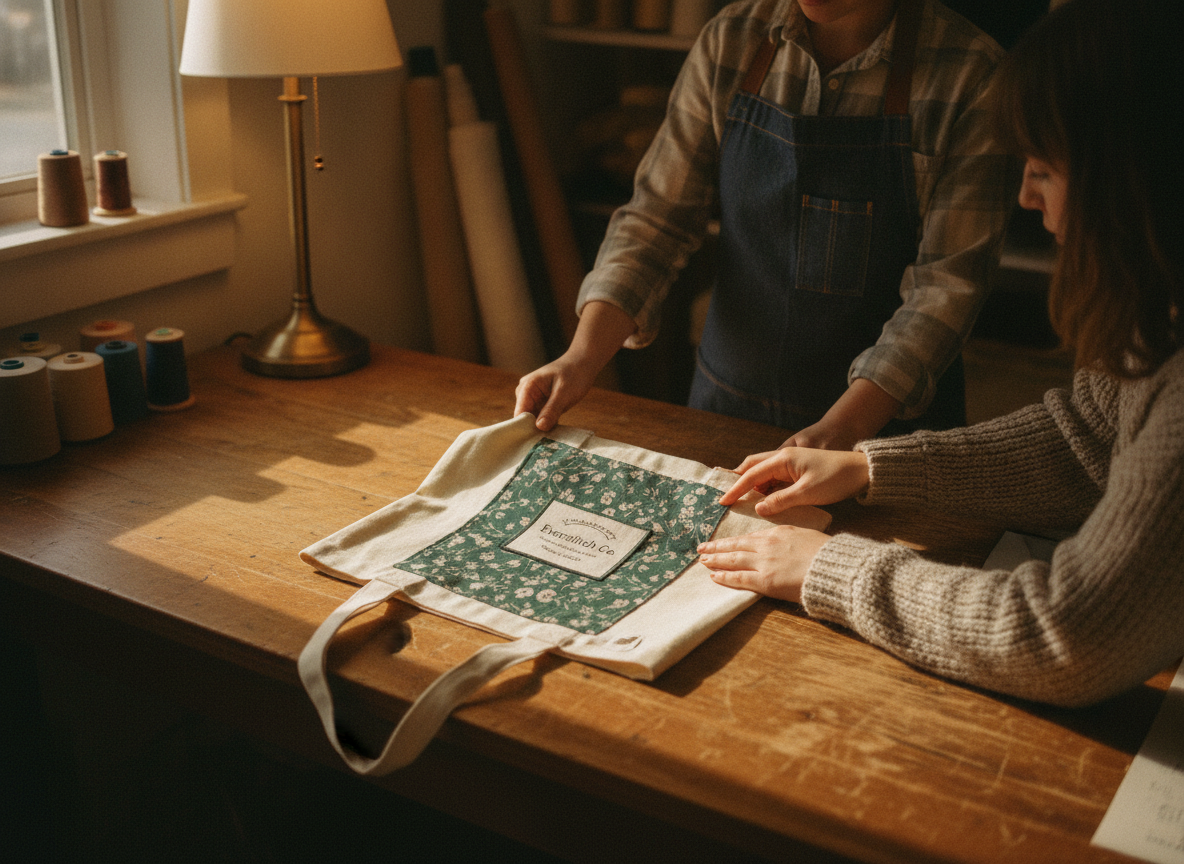
Creating a compelling embroidered patch begins with a strong design. Even with small quantity orders, a clear and well-executed design is paramount. Therefore, consider several key factors before sending your artwork for production. Start by thinking about the patch's purpose and placement. Will it be sewn onto a jacket, ironed onto a tote bag, or serve as a standalone collectible? This dictates its size, shape, and overall complexity.
Next, focus on your artwork. Embroidered patches translate designs into thread, which has inherent limitations compared to print. Intricate details, fine lines, and tiny text can become blurred or lost in stitching. Aim for bolder lines, simplified shapes, and clear, legible fonts. A common mistake is trying to cram too much information onto a small patch. Instead, prioritize your core logo or a key brand element. If your design features complex gradients, remember that embroidery uses solid colors of thread. Thus, producers achieve shading through color blending or dithering techniques rather than smooth transitions. Always provide your artwork in a high-resolution vector format (like AI, EPS, or SVG) if possible, as this ensures the sharpest translation for digitizing. However, if vector is unavailable, a high-resolution JPEG or PNG can also work for simpler designs.
Finally, consider the colors. Embroidery machines use specific thread colors, often referenced by industry-standard charts like Pantone. While a perfect match might not always be feasible, specifying Pantone colors for your design helps your producer get as close as possible. Discuss thread types and finishes, too. Standard polyester threads offer durability and a slight sheen, while matte options or specialty threads can provide a different aesthetic. Do not hesitate to ask for a digital proof or a physical sample if your budget allows. This step is crucial for visualizing the final product and making any necessary adjustments before your full small quantity order goes into production.
Choosing Materials and Production for Your Patches
Beyond the design, the physical characteristics of your custom embroidered patches significantly impact their look, feel, and durability. Makers have several choices regarding materials and production methods, even when ordering in small quantities. Understanding these options helps you create patches perfectly suited to your product and brand identity.
The base fabric, or twill, for an embroidered patch typically forms the background of your design. Common choices include polyester twill, which is durable and holds color well. The twill's color often acts as a background where no embroidery thread covers it. Alternatively, some patches are 100% embroidered, meaning thread covers the entire surface, offering a premium feel and vibrant appearance. Discussing these options with your supplier ensures they align with your creative vision. For example, at HiLabels, we craft our embroidered patches using European loom quality, which results in superior detail and durability, even for small batch orders.
Furthermore, consider the patch border. Merrowed borders, a traditional overlock stitch, provide a classic, robust edge, preventing fraying. They are ideal for standard shapes like circles, squares, and rectangles. On the other hand, laser-cut or hot-cut borders offer a clean, precise edge that can conform to more intricate or custom shapes, creating a sleek, modern finish. Your choice depends heavily on your patch's aesthetic and its intended application.
Finally, patch backings determine how the patch attaches to your products. The most common options include iron-on (heat-seal) for easy application with a household iron or heat press, sew-on for maximum permanence and durability, and hook-and-loop (Velcro-style) for interchangeable use. Each backing has specific advantages and limitations. Iron-on backings, for instance, are convenient for textile products but may not adhere permanently to all fabric types or withstand heavy washing. Sew-on patches, while requiring more effort, offer the most secure attachment. Consider your product's use and your customer's experience when making this important decision. Makers selling handmade goods, for example, often prefer sew-on for a truly artisanal feel.
Finding the Right Partner for Your Custom Embroidered Patches Small Quantity Needs
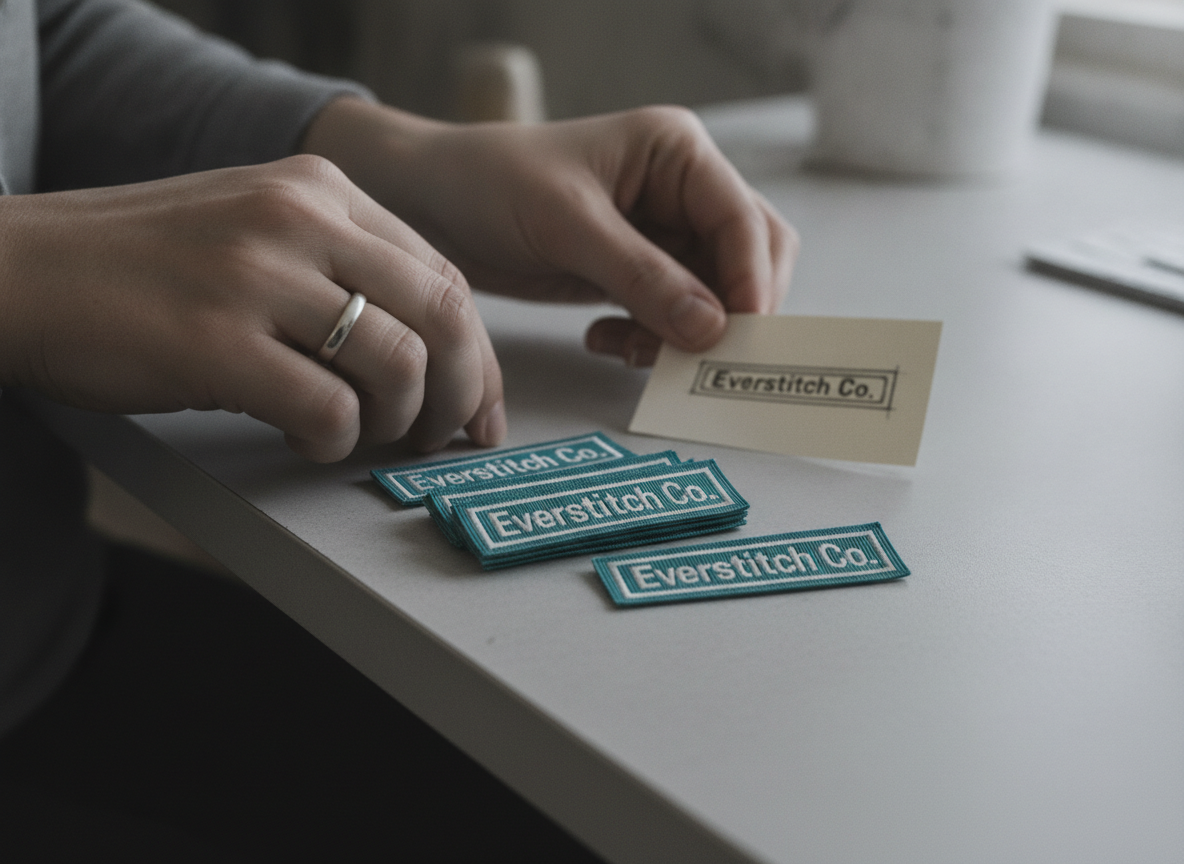
Securing the perfect supplier is perhaps the most critical step for makers needing custom embroidered patches small quantity. Not all manufacturers cater to low minimum orders, and quality can vary significantly. Therefore, thorough research and clear communication are essential. Look for companies that specialize in bespoke textile trims and explicitly mention flexibility for smaller businesses or lower MOQs (Minimum Order Quantities).
Begin by checking online reviews and portfolios. A reputable supplier should proudly display examples of their work, demonstrating quality stitching, vibrant colors, and sharp details. Pay attention to the clarity of their ordering process and their responsiveness to inquiries. An experienced partner understands the nuances of embroidery and can guide you on design limitations, material choices, and backing options, making the entire process smoother. For instance, HiLabels has over 30 years of experience, a testament to reliable service and high-quality production across various textile trims, including custom patches.
Next, consider their customer service and communication. A good supplier will offer clear pricing, transparent turnaround times, and provide digital proofs for approval. Do they offer pre-production samples? While this might add to the cost for very small runs, it offers invaluable peace of mind for larger small quantity orders. Additionally, inquire about their production standards. Companies that utilize European loom quality, for example, often offer a superior finish due to advanced technology and craftsmanship. Furthermore, ask about their shipping options and any potential duties or taxes if you are ordering internationally. Many companies cater to small businesses by offering streamlined processes, reducing the complexity of custom manufacturing.
Finally, always compare quotes from a few different suppliers, but remember that the lowest price isn't always the best value. Quality, reliability, and excellent customer service can save you headaches and ultimately enhance your brand's reputation. Building a strong relationship with a trusted supplier can benefit your business for years, ensuring consistent quality for all your custom embroidered patches in small quantities.
Maximizing Impact with Your Patches
Once you have your beautifully crafted custom embroidered patches, the next step is to integrate them effectively into your brand and products. A patch is more than just a label; it is a miniature billboard for your creativity and craftsmanship. Strategically using your patches can significantly enhance perceived value and brand recognition.
Consider creative placement. While traditional spots like sleeves or hat fronts are always popular, think outside the box. A patch on the inside lining of a handmade bag, on the back yoke of a denim jacket, or even as a decorative element on product packaging can create delightful surprises for your customers. For makers selling apparel, a patch can transform a simple item into a statement piece. It can also serve as a repair patch, offering a sustainable and stylish way for customers to extend the life of their garments. When selling your products, clearly communicate that the patch is custom-made and high quality. Highlight the design's story or the materials used to create it. This transparency adds to the artisanal appeal.
Furthermore, patches offer fantastic versatility for merchandising. You can sell them individually as standalone items, allowing customers to personalize their own belongings. This strategy can be particularly effective at craft fairs or online marketplaces like Etsy, where independent sellers share their creations. The Etsy Seller Handbook offers valuable insights for makers looking to market their products effectively. Patches also make excellent promotional giveaways or thank-you gifts, fostering customer loyalty and expanding brand reach organically. For small businesses, branding goes beyond just your logo; it encompasses every touchpoint with your customer. A well-designed, high-quality patch speaks volumes about your attention to detail and commitment to quality, reinforcing your brand's narrative. As your business grows, remember that consistent branding across all products helps establish a strong identity, a concept that the U.S. Small Business Administration often emphasizes in its guidance for entrepreneurs.
FAQ: Custom Embroidered Patches for Makers
- Q1: What is the typical minimum order quantity (MOQ) for custom embroidered patches for makers?
- A1: MOQs have become much more flexible. Many suppliers now offer MOQs as low as 25 or 50 pieces, specifically catering to independent makers and small businesses. It is always best to check with individual manufacturers, as this can vary.
- Q2: How much do custom embroidered patches in small quantity usually cost?
- A2: Pricing depends on several factors: patch size, embroidery coverage (e.g., 50%, 75%, or 100% embroidered), number of colors, type of border, and backing option. Generally, the per-patch price is higher for smaller quantities but becomes more economical as the quantity increases. Requesting a custom quote is the most accurate way to determine cost.
- Q3: Can I get a sample before ordering a full small quantity run?
- A3: Yes, many suppliers offer pre-production samples. This usually involves an additional fee and extends the overall production timeline, but it is highly recommended for ensuring the final product meets your expectations, especially for a new design or supplier.
- Q4: What file format is best for submitting my patch design artwork?
- A4: Vector files (AI, EPS, SVG) are preferred because they are scalable without loss of quality, making them ideal for digitizing. However, high-resolution raster images (JPEG, PNG, TIFF) at 300 DPI or higher can also work, particularly for simpler designs. Always ensure your design is clear and crisp.
Are you ready to elevate your brand with distinctive, high-quality custom embroidered patches? Explore the possibilities for your next project, no matter the quantity. Visit hilabels.com today to discover how our experienced team can bring your vision to life with precision and care.


