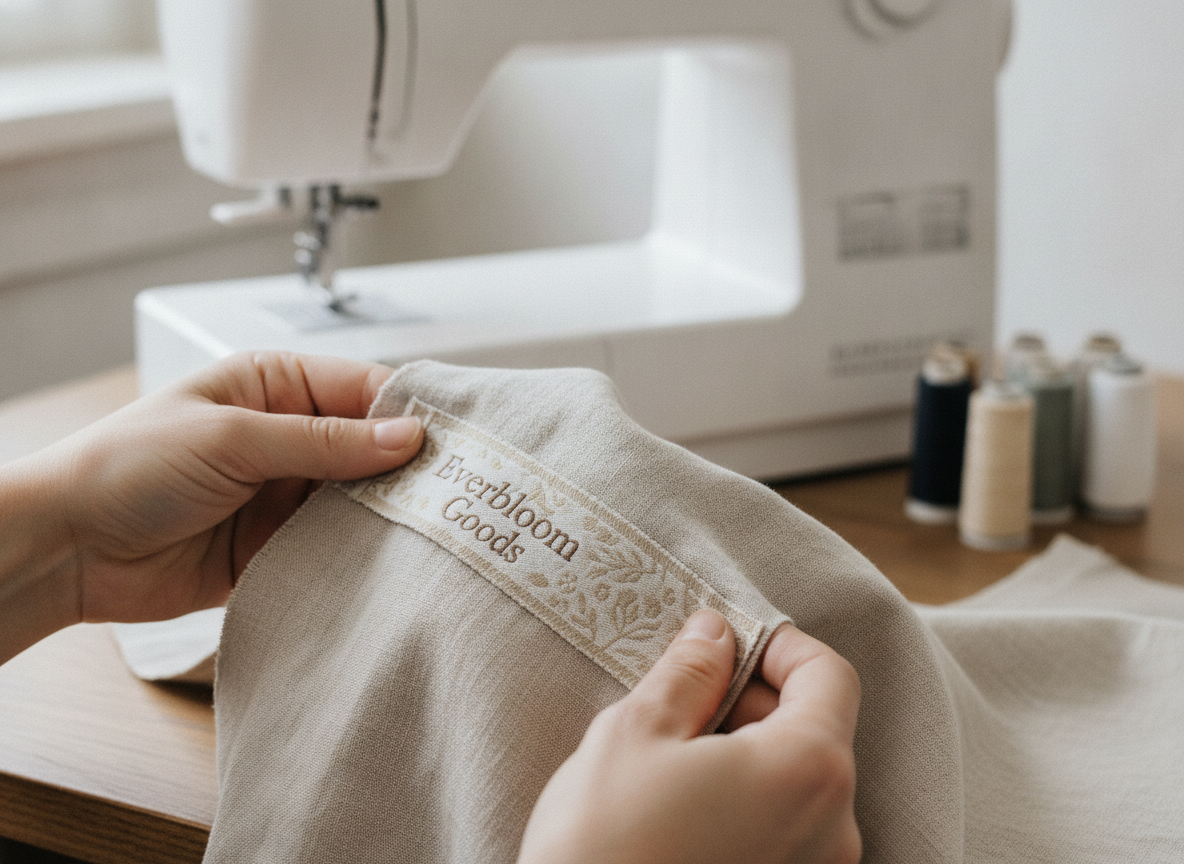
Choosing the right label for your brand goes beyond simply adding your logo. It involves understanding the nuances of materials and weave types, which significantly impact both aesthetics and durability. When comparing textile options, many brands grapple with the crucial decision: damask vs satin woven labels quality. Each offers distinct advantages, influencing how your product feels, looks, and performs in the long run. Therefore, making an informed choice is essential for your brand's identity and customer perception.
Woven labels are integral to garment manufacturing and product branding. They communicate authenticity and professionalism. Unlike printed labels, which can fade or peel, woven labels integrate the design directly into the fabric, creating a lasting impression. This fundamental difference ensures your brand message endures through countless washes and wears. However, within the realm of woven labels, damask and satin stand out as two primary choices, each with unique characteristics.
Understanding Woven Labels: The Basics
Woven labels represent a hallmark of quality in the apparel and textile industry. Manufacturers create them by weaving fine threads together on a loom. This process forms your design, text, or logo directly into the fabric of the label itself. Consequently, the design becomes an intrinsic part of the label, offering superior longevity and a premium feel compared to other labeling methods. For example, printed labels apply ink onto a surface. This ink can crack, fade, or rub off over time. Woven labels, however, resist these common issues, maintaining their integrity and appearance throughout the product's lifespan.
Furthermore, the weaving process allows for intricate detail and a variety of textures. Brands often use different types of yarns, such as polyester, cotton, or even recycled materials, to achieve specific looks and feels. The density of the weave, the type of yarn, and the finishing process all contribute to the label's final quality. Ultimately, the choice of weave type, like damask or satin, dictates the label's sheen, texture, and the fidelity with which it reproduces complex designs. Therefore, understanding these basics helps in appreciating the differences between specific woven label types.
Damask Woven Labels: Precision and Detail
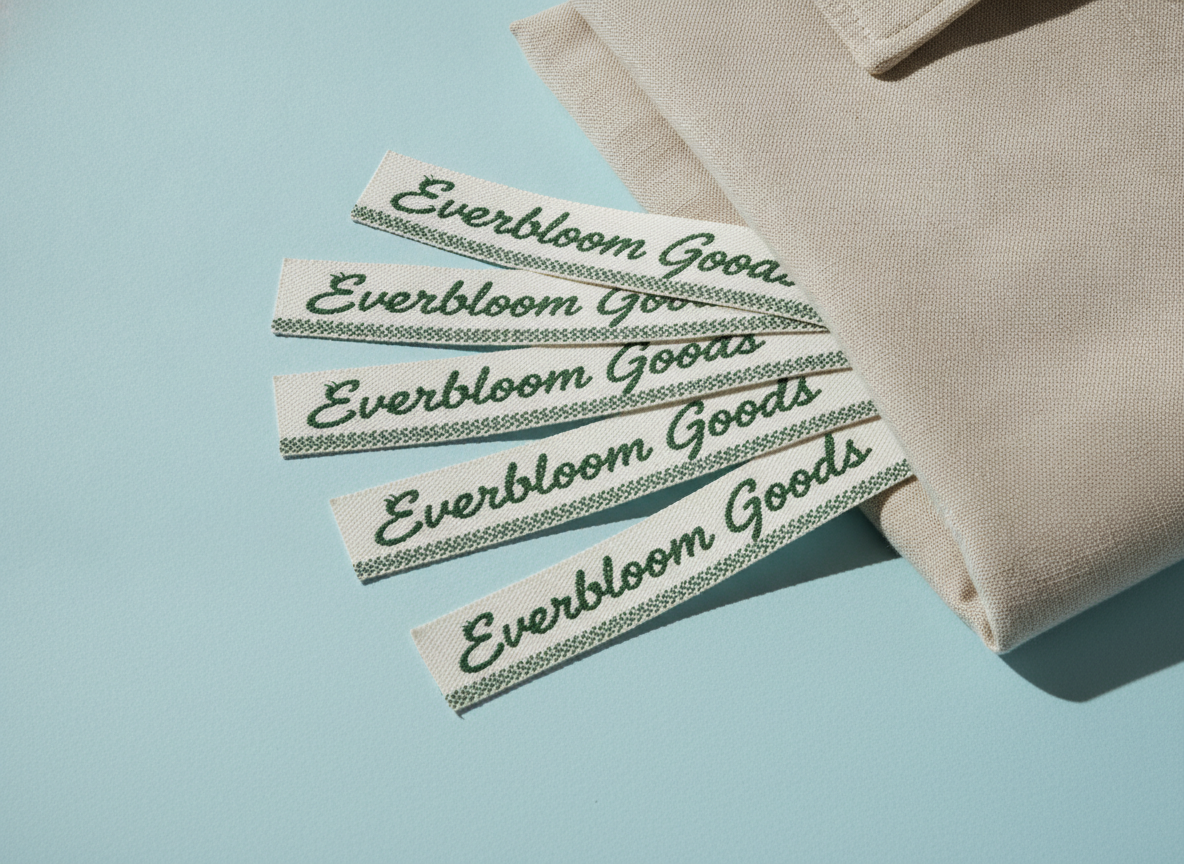
Damask woven labels are renowned for their exceptional detail and soft, dense texture. Manufacturers create damask labels using very fine threads woven at a high density. This tight weave allows for incredibly sharp edges and small, precise lettering, making them ideal for intricate logos or designs that require high fidelity. Furthermore, the construction typically involves a jacquard loom, which precisely controls individual warp threads. As a result, damask labels offer superior clarity and definition, even with very small text or complex graphical elements.
The advantages of damask labels are significant. First, their dense weave provides a luxurious, soft feel against the skin, making them perfect for garments worn close to the body, such as t-shirts, lingerie, or children's clothing. Second, they offer excellent durability; the tightly woven threads are less prone to snagging or fraying. Third, the matte or semi-lustrous finish of damask lends an understated elegance, communicating a premium brand image without excessive shine. Many high-end fashion brands and designers prefer damask for its ability to reproduce subtle design elements with clarity and a sophisticated tactile experience. However, this level of precision and quality typically comes with a higher cost per unit compared to some other label types.
Satin Woven Labels: Luster and Smoothness
Satin woven labels stand out due to their distinctive smooth, lustrous surface. Unlike the matte finish of damask, satin labels feature a prominent sheen, which catches the light beautifully. Manufacturers achieve this silky appearance through a specific weave structure where warp threads float over several weft threads, creating a smooth face. Consequently, this unique weave provides a soft, elegant feel that is highly desirable for certain types of products and branding strategies.
The primary advantage of satin labels is their luxurious sheen. This makes colors appear vibrant and rich, adding a touch of glamour to any product. Brands often choose satin for items like formal wear, delicate garments, or accessories where an elegant, reflective quality is desired. Moreover, the smooth surface feels gentle against the skin, enhancing wearer comfort, particularly for neck labels. However, the satin weave's inherent structure can make it less suitable for extremely fine details or very small text, as the floating threads might slightly blur intricate lines. While durable, satin can sometimes be more prone to snagging if not properly finished, especially in high-abrasion areas. Despite this, for brands prioritizing a polished, radiant aesthetic, satin woven labels offer an unparalleled visual appeal.
Damask vs Satin Woven Labels: Quality Differences and Key Considerations
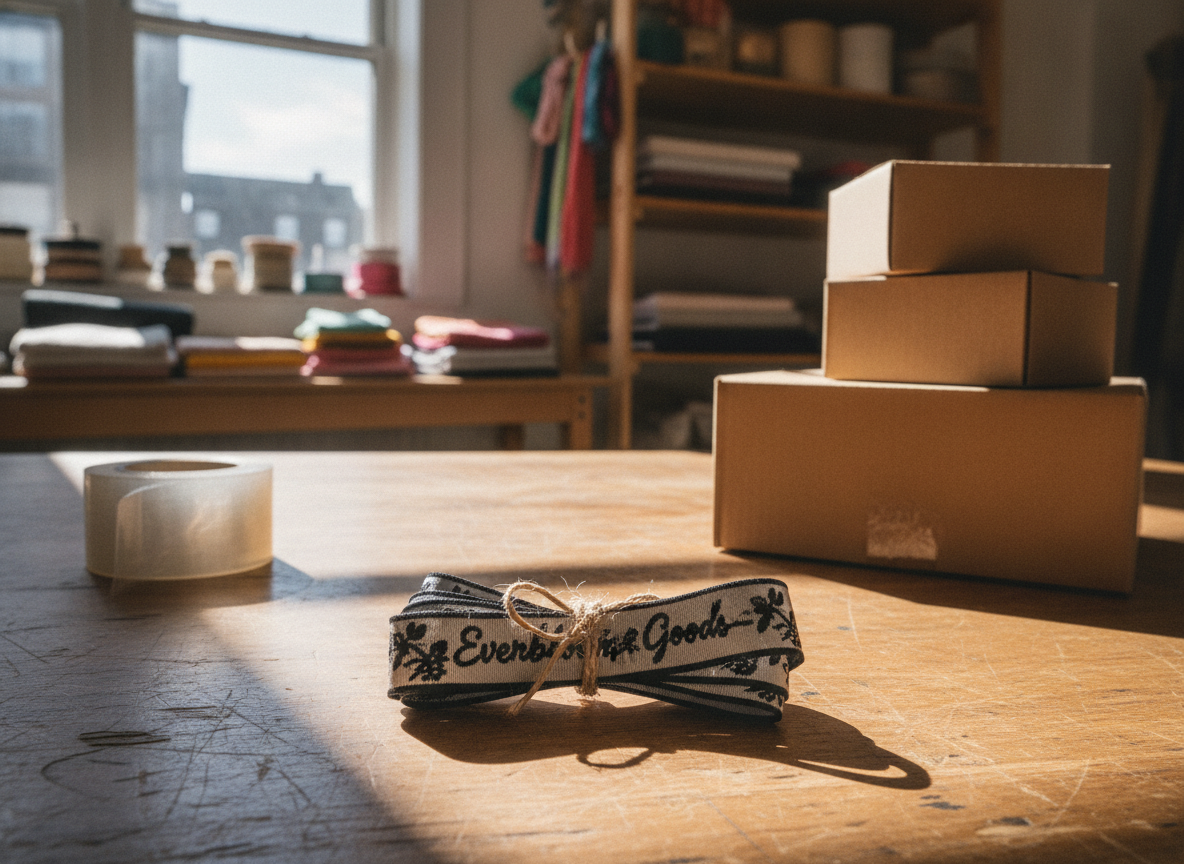
When evaluating damask vs satin woven labels quality, several critical factors come into play. Understanding these differences helps you make an informed decision for your brand. Both types offer superior quality compared to printed alternatives, yet they cater to different aesthetic and functional needs. Let's explore the key distinctions:
- Detail Reproduction: Damask excels in capturing fine details and small text due to its tight, dense weave. If your logo has intricate elements, thin lines, or very small lettering, damask will offer crisper, more legible results. Satin, conversely, might slightly soften these details due to its smoother, less dense surface weave.
- Texture and Feel: Damask labels typically have a soft, almost velvety texture that feels substantial and smooth against the skin. Satin labels, on the other hand, boast a remarkably silky and lustrous finish, providing a distinct sensory experience. Your product's end-use and proximity to the skin should guide this choice.
- Sheen and Appearance: This is perhaps the most obvious difference. Damask labels tend to have a matte or subtle sheen, offering a sophisticated, understated look. Satin labels possess a pronounced, elegant luster, making colors pop and adding a touch of luxury. Consider your brand's overall aesthetic and the desired visual impact.
- Durability: Both are durable, but their weave structures affect this differently. Damask's high-density weave makes it inherently sturdy and resistant to fraying. While satin is also robust, its floating warp threads can theoretically be more susceptible to snagging if exposed to extreme friction over time.
- Cost: Generally, damask labels, with their higher thread count and intricate weaving process, can be slightly more expensive than satin labels. However, pricing varies significantly based on order volume, size, and specific finishing options.
Ultimately, the best choice depends on your specific product and brand identity. Do you prioritize razor-sharp detail and a soft, refined feel, or a vibrant, luxurious sheen with a smooth touch? Carefully considering these aspects helps define the ideal damask vs satin woven labels quality for your particular application.
Making Your Decision: Practical Advice
Choosing between damask and satin woven labels involves more than just a preference for shine or texture. It requires a thoughtful assessment of your brand's identity, product application, and target audience expectations. First, consider your logo and overall design complexity. If your brand features a highly detailed emblem, small lettering, or intricate patterns, damask's superior ability to render fine lines makes it an excellent choice. Its tight weave ensures every detail remains crisp and clear. Conversely, if your brand relies on bold, block colors or a minimalist design where a luxurious sheen can elevate the aesthetic, satin may be more suitable. The vibrant luster of satin can make simpler designs truly pop.
Next, think about where the label will be placed on your product. For items worn directly against the skin, such as underwear, children's apparel, or delicate fabrics, the soft, smooth feel of a damask label is often preferred for comfort. Satin also offers a smooth touch, but its sheen might be less crucial in an internal application. If the label serves as an external branding element, such as on a bag, a hat, or the cuff of a jacket, the visual impact of satin's lustrous finish could be a significant advantage. It immediately signals a premium feel. Furthermore, always remember to consult guidelines such as those from the FTC's labeling requirements for textile products, especially for care labels.
Finally, your budget and desired brand perception play crucial roles. While damask may sometimes carry a slightly higher price point due to its dense weave, the perceived value it adds through detail and softness can be invaluable. Satin, meanwhile, offers an undeniable touch of elegance and visual luxury. Consider your competitive landscape and how you want your brand to be perceived. For emerging brands or those with smaller production runs, guidance from resources like the Etsy Seller Handbook can provide practical advice on branding and label selection. Many reputable label manufacturers, like HiLabels, offer samples and expert consultations to help you weigh these factors. We understand the intricacies involved in creating custom labels that perfectly align with your brand's vision and product needs, ensuring optimal damask vs satin woven labels quality for every project.
Frequently Asked Questions (FAQ)
Here are some common questions about damask and satin woven labels:
Q: Which type of woven label is softer: damask or satin?
A: Generally, damask labels are considered softer due to their higher thread count and dense weave, which creates a very smooth and pliable fabric. Satin labels are also smooth and soft, but their primary characteristic is a lustrous sheen rather than a dense, soft handfeel.
Q: Can I achieve photographic detail with damask or satin labels?
A: Neither damask nor satin woven labels are ideal for reproducing photographic detail. Woven labels create designs using individual threads, which cannot capture the subtle gradients and continuous tones of a photograph. For photographic quality, printed labels or specialized heat transfers are better options. However, damask offers far greater detail for intricate line art and small text than satin.
Q: Are damask and satin labels suitable for all types of garments?
A: Yes, both damask and satin labels are versatile and suitable for most garments. Damask is often preferred for items worn directly against the skin due to its softness. Satin is excellent for adding a touch of luxury and sheen, making it popular for formal wear or premium accessories. The best choice depends on the specific aesthetic and tactile requirements of your product.
Q: How do I ensure the colors on my woven label match my brand's colors?
A: To ensure accurate color matching, always provide your label manufacturer with Pantone Matching System (PMS) color codes. This industry-standard system allows for precise color reproduction across different materials and production processes, guaranteeing consistency for your brand.
Choosing the right woven label is a pivotal decision for your brand's image and product integrity. Whether you prioritize the intricate detail and soft touch of damask or the luxurious sheen and smooth elegance of satin, each option brings distinct advantages. Carefully consider your design's complexity, your product's application, and your brand's desired perception. For over 30 years, HiLabels has offered European loom quality woven labels, care labels, patches, zipper pulls, and ribbons. We assist businesses in making these crucial choices. Explore our full range of custom label solutions and discover how to elevate your brand's presentation. Visit hilabels.com today to begin creating your perfect woven labels.


