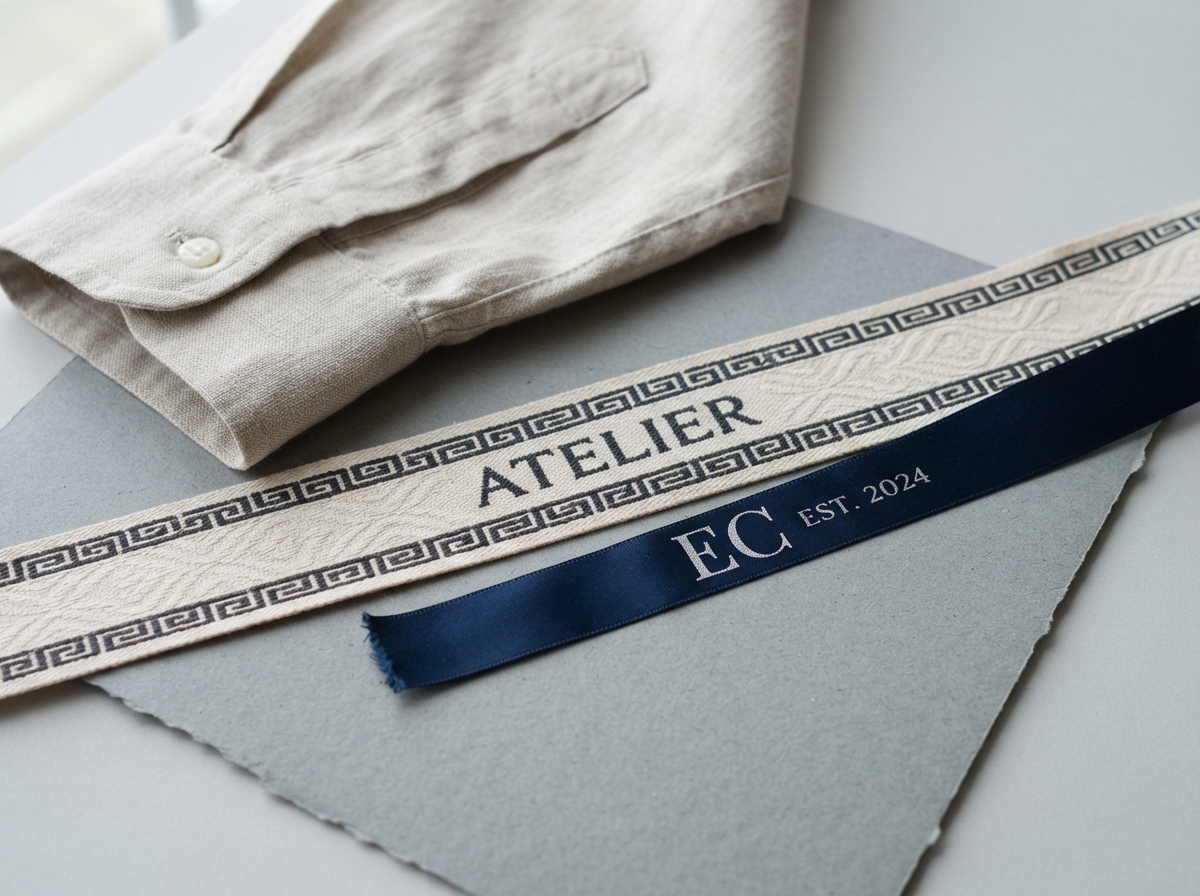
Small details often define the difference between a mass-produced garment and a curated brand experience. If you are looking for a reliable woven ribbon manufacturer, you already understand that custom trims act as the signature of your work. These versatile elements do more than secure a package or finish an edge. They communicate your values, aesthetic, and attention to detail directly to your customer.
Brands frequently use ribbons to create a cohesive look that extends from the garment itself to the final unboxing moment. Whether you incorporate them as functional drawstrings, decorative edge accents, or sophisticated internal bindings, the right material choice makes a lasting impact. Designers often experiment with textures, colors, and weaves to ensure the product feels as premium as it looks. Before committing to a specific design, consider how the fabric interacts with your primary textiles to ensure long-term durability and comfort.
Choosing the Right Partner
Selecting the best woven ribbon manufacturer requires looking beyond simple pricing. You need a partner capable of executing complex jacquard weaves that hold their shape over time. A professional mill will provide samples that allow you to test how the ribbon drapes against your base fabrics. When evaluating potential vendors, examine their consistency in color matching and their ability to handle intricate patterns.
Furthermore, technical standards are vital for apparel longevity. You should verify that your provider adheres to safety regulations, such as the OEKO-TEX STANDARD 100 certification for textiles tested for harmful substances. High-quality production ensures that your branding remains vibrant even after repeated laundering. If you are unsure about the required durability for your specific items, review the AATCC, the association behind textile test methods for colorfastness, shrinkage, and washing, to understand the benchmarks your trim should meet.
Creative Ways to Integrate Ribbon
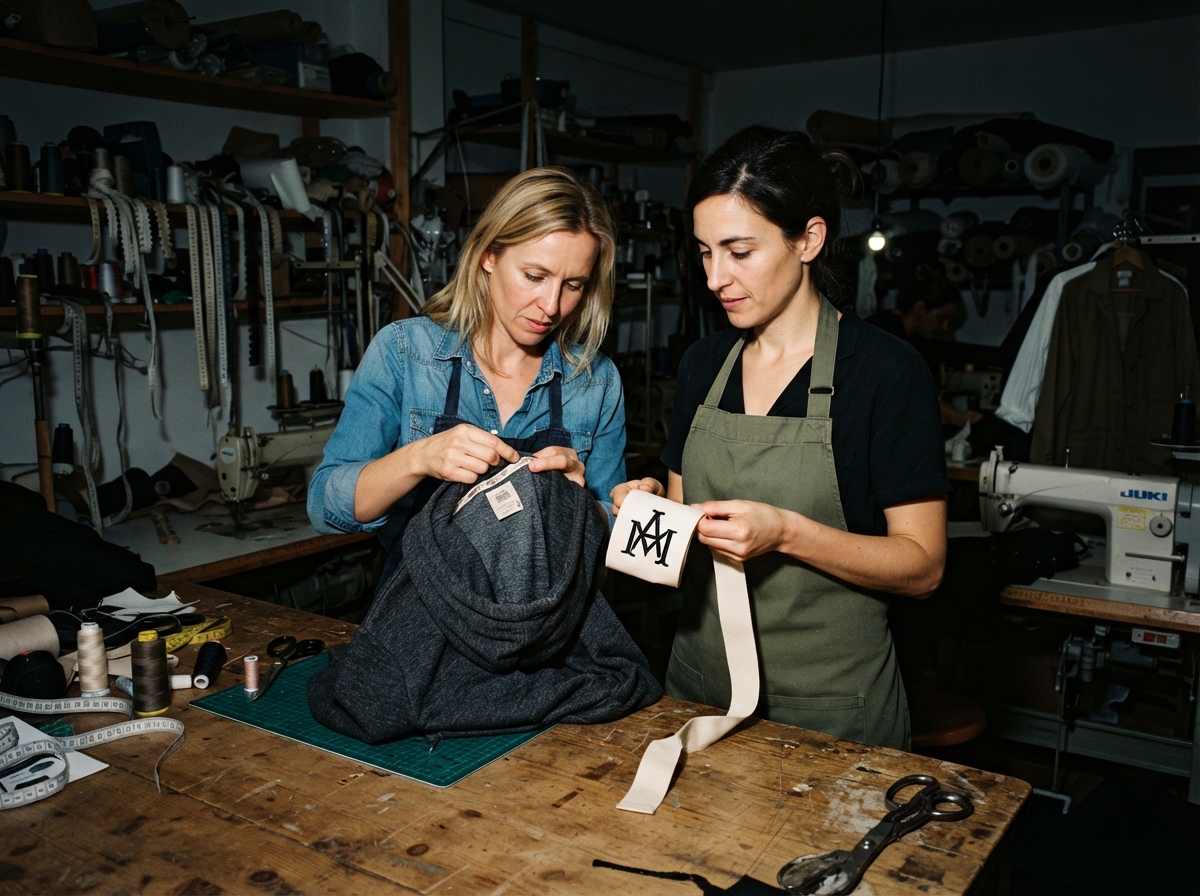
Many brands limit themselves to using ribbon only as a decorative add-on. However, you can use these trims strategically to solve design problems or enhance functionality. For instance, incorporating a branded ribbon into a hoodie drawstring adds a professional touch that elevates the entire piece. Additionally, using ribbon as an internal hem finish prevents fraying while offering a hidden pop of color or branding that surprises the user.
Consider how the texture of your ribbon aligns with your brand story. A soft, light taffeta might suit a delicate evening wear line, while a sturdy, dense twill tape feels more appropriate for rugged outerwear. If you are developing a product range, consistency is key. You might apply the same ribbon style across multiple garments to create a visual through-line that customers instantly recognize.
Managing Brand Compliance and Safety
As you scale your business, staying informed about industry regulations becomes essential. Every brand must ensure that its physical labeling meets legal requirements for fiber content and origin. You can consult the FTC guidance on complying with the Care Labeling Rule for washing, drying, and care instructions to ensure your ribbons and other trims do not inadvertently violate federal standards. Keeping your documentation organized prevents costly re-designs later in your production cycle.
Additionally, protecting your visual identity is crucial. If you create a unique logo or pattern for your ribbon, consider the registration process. You can explore the USPTO trademark basics, for protecting a brand name or logo that appears on labels, to ensure that your custom designs remain exclusive to your business. Investing in these administrative steps early prevents future confusion and guards the value of your brand equity.
Key Takeaways for Your Brand
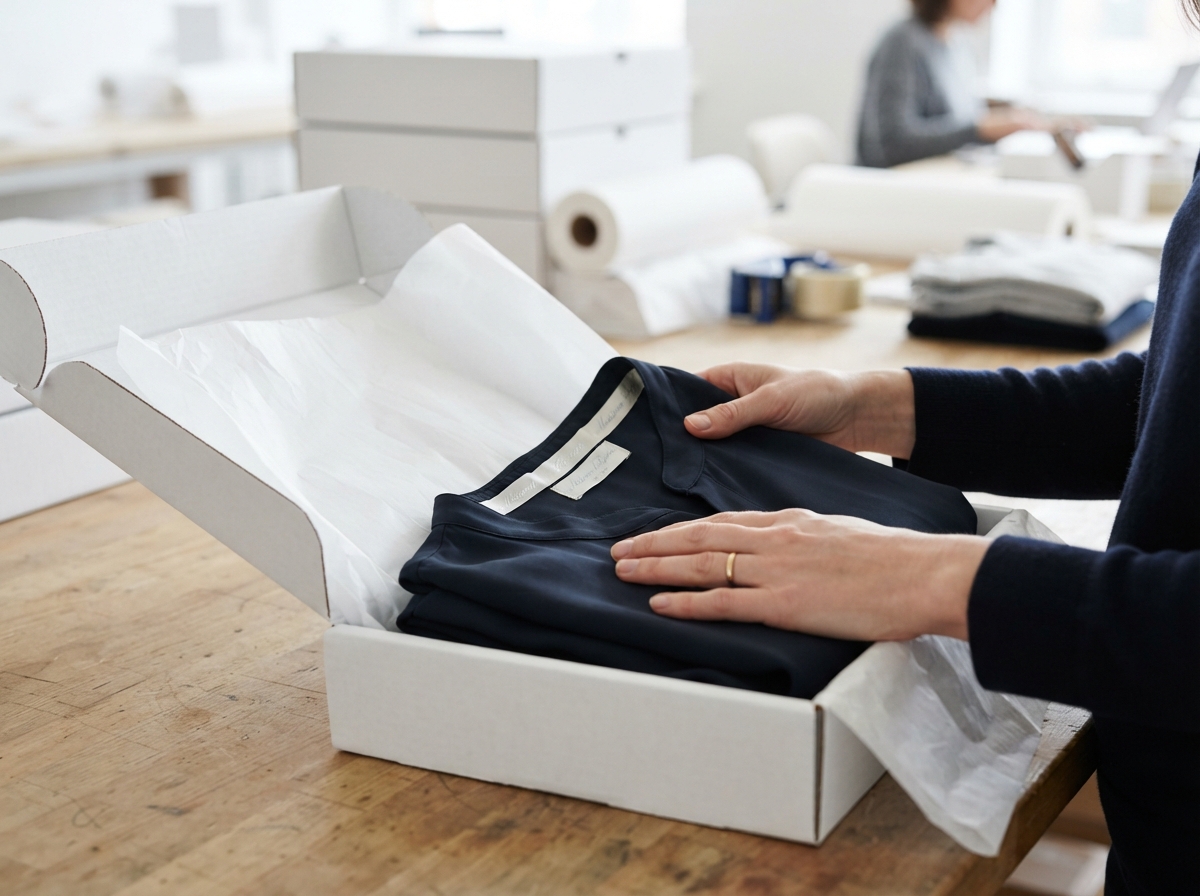
Success in apparel branding relies on a blend of aesthetics and compliance. First, choose a high-quality woven ribbon manufacturer that supports your vision through durable, high-density weaving techniques. Second, integrate your trims in ways that add actual utility rather than just decoration. Finally, keep current with regulatory guidelines to protect your business and your customers. By following these steps, you transform simple fabric into a powerful branding tool that resonates with your audience.
If you are ready to explore custom solutions for your clothing line, you can find more information about our expertise and services at https://hilabels.com to help refine your brand identity.
Frequently Asked Questions
What is the difference between printed and woven ribbon? Woven ribbons use thread to build the design, resulting in high durability and a luxury texture. Printed ribbons use ink, which may fade or wear off over time compared to the structural integrity of a woven finish.
Can I use custom ribbon for care instructions? Yes, many brands use woven ribbons as part of their care labeling system. However, ensure the material is compatible with the garment's wash requirements and meets local textile fiber identification rules.
How do I ensure my ribbon design stays consistent? Working with an experienced manufacturer allows you to maintain strict color and weave specifications. Consistent yarn sourcing is the most important factor in keeping your branding uniform across different production runs.


