
Streetwear culture thrives on individuality and authenticity. Brands use unique elements to make their clothing stand out. Among these, iron on woven patches for streetwear offer an unparalleled way to add texture, detail, and a touch of rebellious flair to garments. These patches provide durable branding and intricate designs. However, successful application is crucial. A poorly attached patch can ruin an otherwise perfect piece. This article explores the most effective methods for attaching these popular embellishments, ensuring they stay put through every wash and wear.
Many designers underestimate the importance of proper patch application. They often believe a simple home iron is sufficient. In reality, achieving a professional, long-lasting bond requires more precision and sometimes additional techniques. We will delve into heat-seal technology. We also cover the benefits of combining methods. You will learn how to create durable, high-quality streetwear items.
The Appeal of Iron On Woven Patches for Streetwear Aesthetics
Streetwear is more than just clothing. It represents a lifestyle, an attitude, and a community. Brands in this space constantly seek ways to convey their unique identity. Iron on woven patches offer a perfect solution. They provide a tactile quality that printed designs cannot match. The woven texture adds depth and a premium feel. This enhances the garment's overall aesthetic value.
These patches are also incredibly versatile. Designers use them on jackets, hoodies, jeans, hats, and bags. They can represent a brand logo, a graphic design, or a subtle motif. The weaving process allows for fine details and vibrant colors. This makes them ideal for intricate streetwear designs. Furthermore, they offer superior durability compared to embroidered patches. Woven patches resist fraying and fading, even with frequent washing and wear. This longevity is essential for streetwear. Consumers expect their clothing to withstand daily use and express their style for a long time.
HiLabels understands the specific needs of streetwear brands. We produce custom woven patches with European loom quality. This ensures exceptional detail and robust construction. Our patches help your designs truly pop. They add that distinctive touch streetwear enthusiasts crave. Elevate your brand with patches that embody both style and substance. You can find more details on custom woven patches for your apparel line here.
Mastering Iron On Woven Patches for Streetwear Attachment
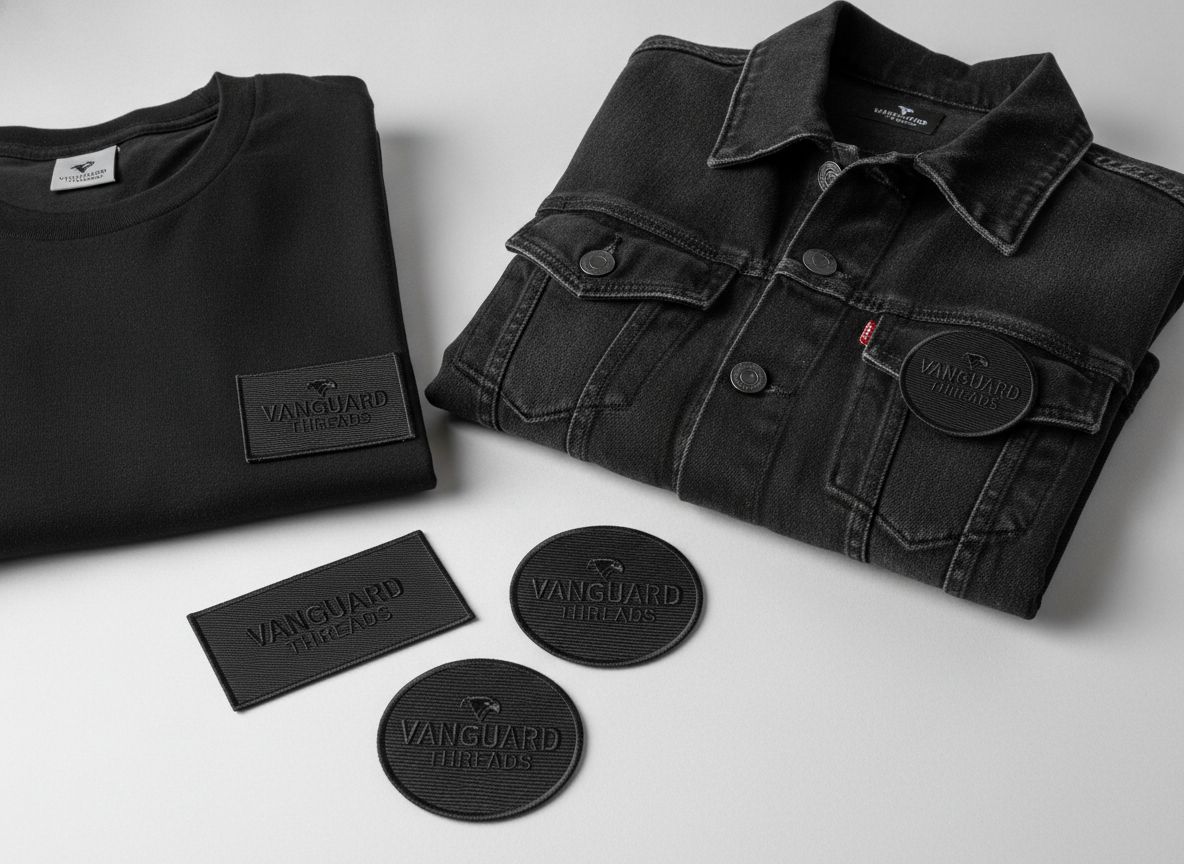
The core of applying iron on woven patches for streetwear lies in understanding the heat-seal adhesive backing. This specialized backing activates with heat. It creates a strong bond between the patch and the fabric. However, not all heat-seal adhesives are created equal. High-quality patches use a robust hot-melt adhesive. This ensures a consistent and lasting attachment.
Proper preparation is key to success. Always start with a clean, dry garment. Any dirt, oil, or lint on the fabric can interfere with the adhesive bond. Pre-wash the item if necessary, but avoid fabric softeners. These can leave residues that weaken the bond. You must also consider the fabric type. Cotton, denim, and polyester blends generally work well with iron-on patches. Delicate fabrics like silk or rayon, or heat-sensitive materials, are often not suitable for direct heat application. Always test heat on an inconspicuous area of the garment first.
The Importance of Even Heat and Pressure
Achieving a secure bond depends on consistent heat and adequate pressure. An ordinary household iron can sometimes work for very small patches on forgiving fabrics. However, it often delivers uneven heat and insufficient pressure. This results in patches that peel or lift over time. For professional-quality application, especially for a streetwear brand, a heat press is indispensable. Heat presses provide uniform heat distribution and precise, powerful pressure. This combination ensures the adhesive fully melts and penetrates the fabric fibers. Consequently, it creates a bond that truly lasts.
Best Attachment Method 1: The Reliable Heat Press
A heat press offers the most consistent and durable application for iron on woven patches for streetwear. This method guarantees professional results. It prevents common issues like bubbling or peeling edges. Investing in a quality heat press is highly recommended for any brand regularly applying patches.
Here is a step-by-step guide for using a heat press:
- Pre-heat the Press: Set your heat press to the recommended temperature. This usually ranges between 300-350°F (150-175°C), depending on the patch adhesive and fabric. Consult your patch supplier's guidelines.
- Prepare the Garment: Lay the garment flat on the heat press platen. Ensure it is smooth and wrinkle-free. A quick pre-press for 5-10 seconds removes moisture and creases.
- Position the Patch: Carefully place your woven patch in the desired location. Use heat-resistant tape to hold it in place if needed, especially for intricate placements.
- Apply Pressure: Cover the patch with a Teflon sheet or parchment paper. This protects both the patch and the press. Lower the heat press. Apply firm, even pressure for 15-20 seconds. The exact time depends on the adhesive type.
- Cool Down and Check: Lift the heat press. Allow the garment and patch to cool completely before handling. This cooling period is crucial for the adhesive to set. Gently test the edges of the patch to ensure a secure bond. If any part lifts, re-press for a shorter duration.
Consider the garment's fiber content when setting your heat press. Polyester or blended fabrics may require lower temperatures to prevent scorching. Always prioritize the longevity and appearance of your finished product. Many online resources, such as the Shopify blog, offer valuable insights into garment decoration techniques for small businesses.
Best Attachment Method 2: The Secure Stitch-Down Approach
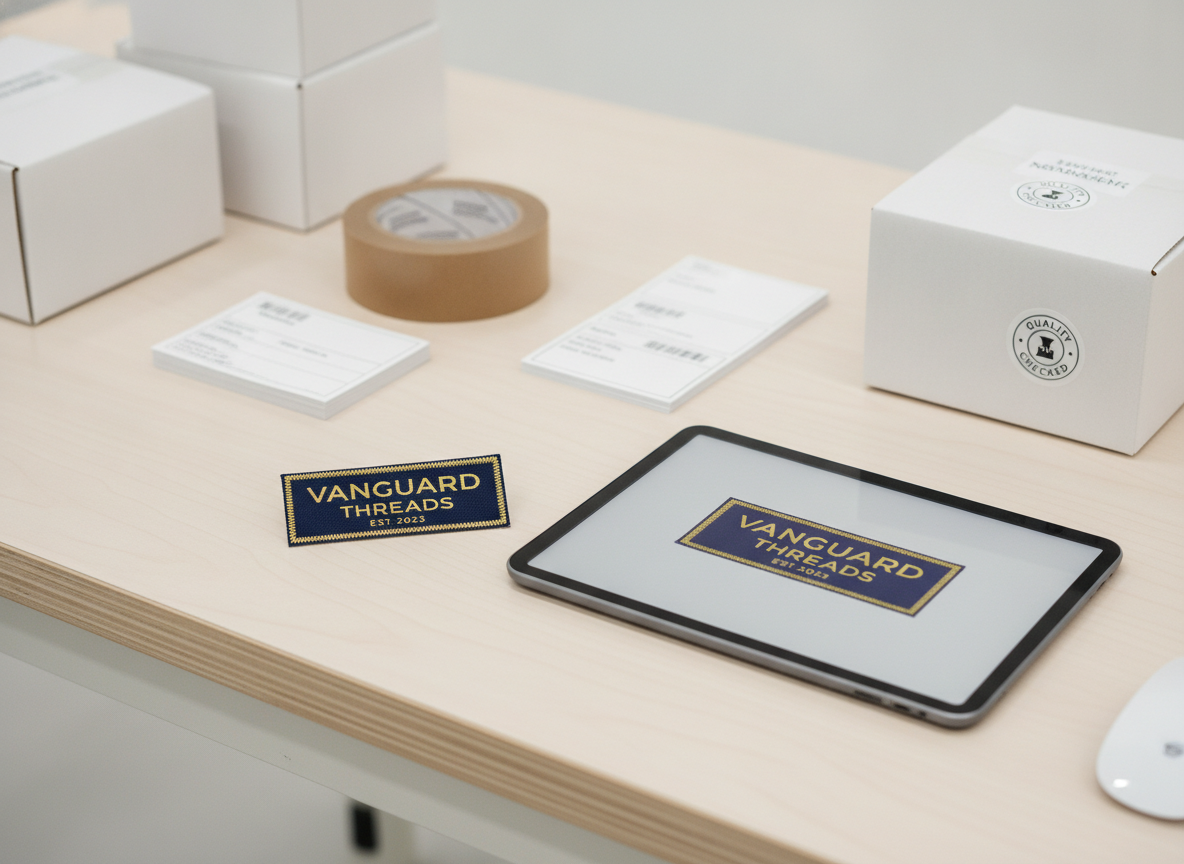
While iron-on adhesives provide convenience, sewing offers the ultimate security. This is particularly true for high-wear items or garments that will undergo frequent, rigorous washing. For certain iron on woven patches for streetwear, combining heat application with sewing creates an almost indestructible bond. This hybrid method is ideal for premium streetwear pieces.
Hand Sewing vs. Machine Sewing
You have two primary options for sewing patches: hand sewing or machine sewing.
- Hand Sewing: This method offers precision and control. It works well for irregularly shaped patches or when you want a specific aesthetic. Use a strong needle and a durable thread that matches or contrasts with the patch border. A simple whip stitch or running stitch around the edge creates a secure attachment. Hand sewing is time-consuming but offers a handcrafted look.
- Machine Sewing: Machine sewing provides speed and consistency. It is perfect for larger batches of garments. Use a zigzag stitch or a straight stitch close to the patch edge. A zigzag stitch offers more flexibility and durability. Ensure your needle is appropriate for the fabric thickness. Use a thread color that complements your patch and garment. Always backstitch at the beginning and end to secure the threads.
For fabrics prone to stretching, like certain knits, consider stabilizing the area behind the patch. You can use a lightweight fusible interfacing. This prevents puckering and ensures a smooth application. The goal is always to achieve a clean, professional finish that enhances the garment's design. The Etsy Seller Handbook offers practical advice for small-batch garment makers on finishing techniques.
Hybrid Methods and Long-Term Durability
For the absolute best results with iron on woven patches for streetwear, a hybrid approach often proves superior. Apply the patch first using a heat press to create an initial, strong bond. This prevents the patch from shifting. It also ensures it lies perfectly flat. Then, follow up with a machine stitch around the perimeter. This second step provides mechanical reinforcement. It prevents any edges from peeling over time. This method is especially beneficial for heavy-duty outerwear, bags, or items that will endure significant stress.
Considering long-term durability is essential for streetwear brands. Your customers expect products that last. A robust attachment method contributes significantly to perceived quality. Educate your customers on proper garment care. This extends the life of their patched items. Advise them to wash garments inside out. Use cold water and a gentle cycle. Tumble dry on low or air dry. These simple steps help maintain both the garment and the patch's integrity. High-quality patches, like those from HiLabels, are designed to endure. Our European loom quality ensures vibrant colors and structural integrity wash after wash.
Troubleshooting Common Patch Application Issues
Even with the best intentions, issues can arise during patch application. Knowing how to troubleshoot them saves time and materials. One common problem is a patch failing to stick properly. This often points to insufficient heat, pressure, or application time. Re-evaluate your heat press settings. Ensure you are applying enough downward force. Sometimes, a thicker fabric requires slightly more time for the adhesive to activate fully. For specific guidance on textile standards and testing, organizations like the AATCC provide valuable resources.
Another issue is adhesive showing through the fabric or around the patch edges. This usually means you used too much heat or applied pressure for too long. Reduce the temperature slightly or shorten the press time. Always use a protective sheet. This helps contain any excess adhesive. If a patch appears bubbled or wrinkled, it could be due to moisture in the garment or uneven pressure. Pre-pressing the fabric removes moisture. Ensuring the garment is perfectly flat before applying the patch helps prevent wrinkles. Paying attention to these details significantly improves your success rate.
Frequently Asked Questions About Iron On Woven Patches for Streetwear
- Can I use a regular home iron for iron on woven patches?
- While a home iron can work for small patches on stable fabrics, it often lacks the consistent heat and strong, even pressure of a heat press. For professional, long-lasting results, especially for streetwear, a heat press is highly recommended. Patches applied with a home iron may peel or lift over time.
- What fabrics are best suited for iron on woven patches?
- Cotton, denim, and durable polyester blends are generally excellent choices. These fabrics can withstand the heat required to activate the adhesive. Avoid delicate materials like silk, rayon, or certain synthetics that are prone to melting or scorching under high heat. Always test on an inconspicuous area first.
- How do I ensure my patch stays on after washing?
- For maximum durability, use a heat press for initial application. Then, sew around the edges of the patch with a sewing machine or by hand. This hybrid method provides mechanical reinforcement to the adhesive bond. Always wash garments inside out in cold water on a gentle cycle, and air dry if possible.
- Can I remove an iron on patch once it's applied?
- Removing an iron-on patch can be challenging and may damage the fabric or leave adhesive residue. If the patch was only heat-pressed, carefully applying heat and gently peeling may work. If sewn, you must carefully snip the stitches. It is generally best to consider placement permanent before application.
- How do HiLabels woven patches differ in durability?
- HiLabels woven patches are crafted using European loom quality. This process ensures high-density weave, superior thread strength, and robust heat-seal adhesives. This results in patches that resist fraying, fading, and general wear and tear more effectively than standard patches. They provide long-lasting quality for streetwear apparel.
Crafting high-quality streetwear with durable embellishments sets your brand apart. Understanding the best attachment methods for iron on woven patches for streetwear is a vital skill. Whether you opt for the precision of a heat press, the security of sewing, or a combination of both, meticulous application ensures your patches stand the test of time. Ready to elevate your designs with custom woven patches that embody exceptional craftsmanship? Explore the possibilities for your next collection at hilabels.com.


