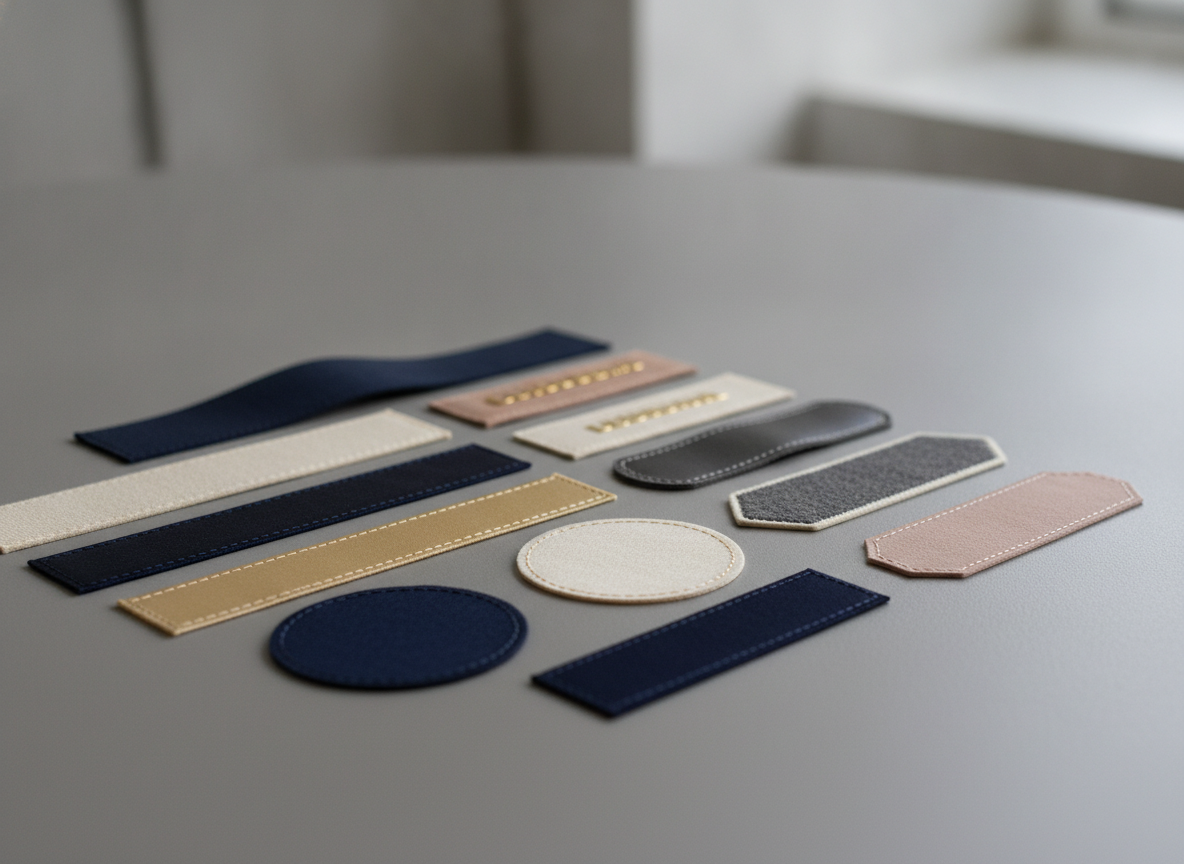
In the dynamic world of fashion and apparel, more than just fabric and design tell a product’s story. Brands communicate critical information, establish identity, and ensure compliance through effective labeling. Understanding the various labels used in textile industry is paramount for any brand aiming for success and longevity.
These small, often overlooked, elements hold immense power. They guide consumer decisions, inform them about product care, and fulfill legal obligations. For brands, labels are not merely functional attachments; they are miniature billboards, legal documents, and vital components of the customer experience. Consequently, mastering textile labeling transforms a simple garment into a comprehensive brand statement.
The Indispensable Role of Textile Labels for Brands
Textile labels fulfill a multifaceted role within the apparel industry. They bridge the gap between manufacturer and consumer, offering crucial details while reinforcing brand identity. Brands often find that investing in high-quality, well-designed labels pays significant dividends in market perception and customer loyalty.
First, labels act as primary information carriers. They inform consumers about fabric composition, country of origin, and essential care instructions. Without these details, customers would struggle to maintain their purchases correctly, leading to dissatisfaction. Clear, concise information on a label therefore builds trust and reduces product returns.
Furthermore, labels serve as powerful branding tools. They provide a tangible touchpoint for a brand's aesthetic and values. A thoughtfully designed main label, for example, conveys professionalism and attention to detail. It differentiates a product from competitors on a crowded retail shelf. Brands effectively leverage labels to communicate their unique story and vision.
Finally, legal and regulatory compliance hinges on accurate labeling. Governments worldwide mandate specific information on textile products, primarily for consumer protection. Failing to meet these standards invites fines, product recalls, and significant reputational damage. Brands must prioritize compliance, ensuring every label meets required specifications.
Understanding Different Types of Labels Used in the Textile Industry
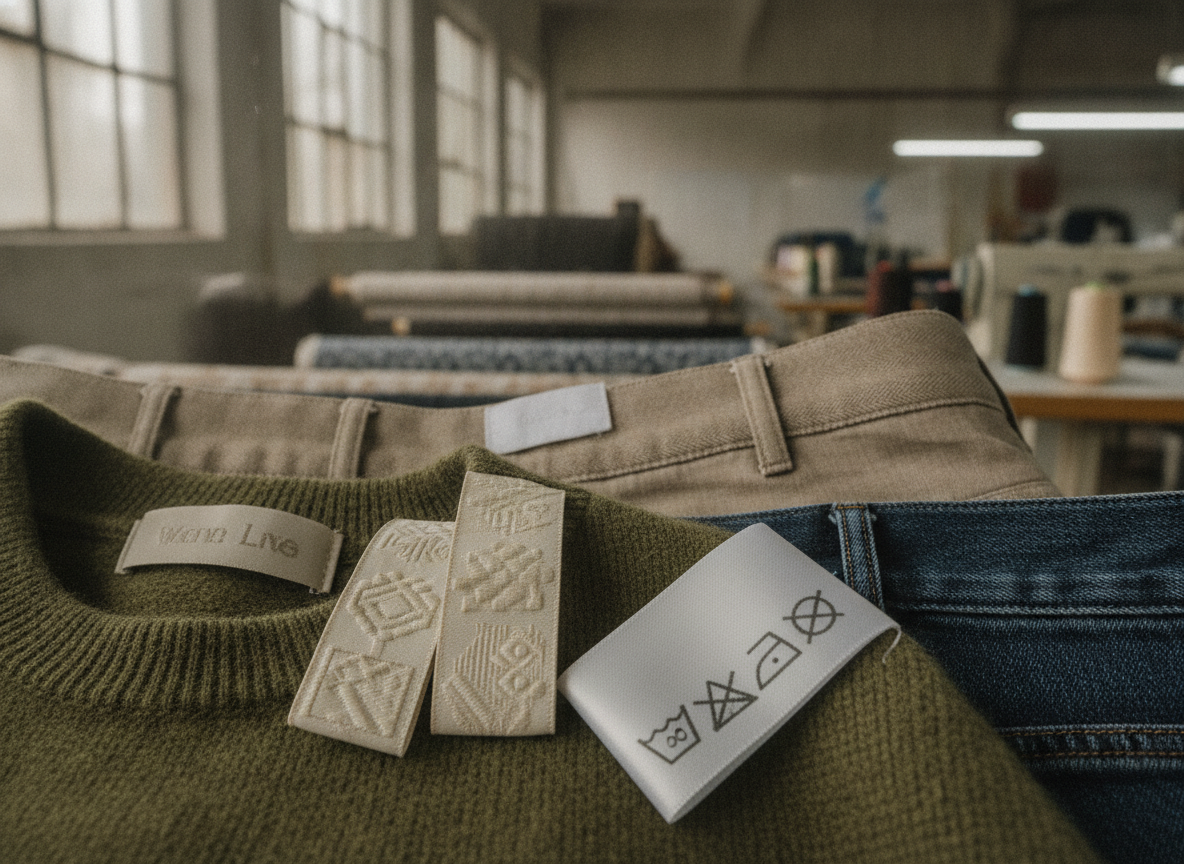
The textile industry utilizes various label types, each serving distinct purposes and offering unique advantages. Brands choose specific labels based on product type, target market, branding strategy, and budget. Knowing these differences helps in making informed decisions for your product line.
Woven Labels: These represent the pinnacle of quality and durability in textile labeling. Manufacturers weave designs directly into the fabric using fine threads. This process creates a luxurious, tactile finish that withstands countless washes without fading or fraying. For superior tactile quality and enduring brand presence, many premium brands trust companies like HiLabels, which crafts woven labels with European loom quality. They are ideal for main brand labels, size labels, and signature tags where longevity and a premium feel are crucial.
Care Labels: These provide essential instructions for product longevity. They inform consumers how to wash, dry, iron, and bleach the garment. Additionally, care labels usually include fiber content (e.g., 100% cotton, 60% polyester/40% rayon) and country of origin. Regulatory bodies mandate care labels in most markets; therefore, their accuracy is non-negotiable. Often, brands combine care instructions with fiber content and country of origin on a single label for efficiency.
Printed Labels: Offering a more cost-effective solution, printed labels apply designs directly onto fabric or a synthetic material. They suit high-volume production and products requiring less tactile emphasis. Printed labels are versatile, allowing for intricate designs and gradient colors. However, they may fade or crack over time with repeated washing and wear compared to their woven counterparts.
Patches and Tags: Beyond internal labels, brands often utilize external patches and hangtags for branding and decorative purposes. Embroidered patches, for instance, add a rugged or artisanal touch to denim, outerwear, or accessories. Hangtags provide supplementary product information, pricing, and brand messaging at the point of sale, offering a temporary but impactful branding opportunity.
Zipper Pulls and Ribbons: While not labels in the traditional sense, these accessories offer additional branding opportunities. Custom zipper pulls subtly reinforce brand identity on jackets, bags, or other items. Similarly, branded ribbons enhance packaging, tying together garments or adding a decorative element to merchandise. Consequently, they contribute significantly to the overall brand experience.
Legal Compliance and Industry Standards for Textile Labels
Navigating the legal landscape of textile labeling is critical for any brand operating in the global market. Adherence to specific regulations protects consumers and safeguards your business from legal repercussions. Different regions impose varying requirements, compelling brands to understand and apply relevant standards.
In the United States, the Federal Trade Commission (FTC) enforces the Care Labeling Rule, which mandates that textile products carry clear and accurate care instructions. This rule helps consumers make informed purchasing decisions and properly maintain their garments. It requires manufacturers to provide full care instructions that apply to all components of the product. Additionally, the FTC's Textile Fiber Products Identification Act requires labels to disclose fiber content and country of origin.
European Union regulations, such as the EU Textile Labelling Regulation (No 1007/2011), similarly require clear identification of fiber composition. These rules ensure transparency and fair trade practices across member states. Furthermore, many countries also require manufacturers to indicate the country where the product was "Made In," preventing consumer deception and supporting local industries.
Non-compliance carries significant risks. Brands can face substantial fines, product recalls, and severe damage to their reputation. Therefore, meticulous attention to detail in label content and placement is not just good practice; it is a legal imperative. Brands must stay updated on changing regulations and ensure their supply chain consistently meets these standards. For more details on U.S. regulations, refer to the FTC's guidance on the Care Labeling Rule.
Choosing the Right Label for Your Product

Selecting the appropriate labels for your textile products involves several strategic considerations. The best choice balances aesthetic appeal, functionality, durability, and cost-effectiveness. Brands make decisions based on their product's nature, target market, and overall brand identity.
First, evaluate your product type. A luxury silk scarf, for instance, benefits from a soft, high-definition woven label that complements its delicate fabric. Conversely, a rugged workwear jacket might use a bolder, more robust woven label or even an embroidered patch for durability and character. Activewear often utilizes printed labels to avoid irritation during movement, prioritizing comfort above all else.
Next, consider your target audience. Do they prioritize sustainability? Then, opt for labels made from recycled materials or organic cotton. Is your audience budget-conscious? Printed labels offer a cost-effective solution without compromising essential information. Understanding consumer preferences significantly influences label material and style choices.
Furthermore, branding goals play a crucial role. Does your brand aim for a minimalist aesthetic? A discreet, high-quality woven label with a simple logo achieves this effectively. If your brand is vibrant and playful, a colorful printed label or a custom patch might better represent its personality. The label extends your brand's narrative beyond the product itself.
Finally, assess your budget and production volume. Custom woven labels, while offering superior quality, typically have higher minimum order quantities and per-unit costs compared to printed labels. Brands must weigh these financial implications against their desired brand image and product pricing strategy. Ultimately, the right label enhances the product’s value and appeals to its intended market.
Elevating Your Brand with Strategic Label Design and Quality
Labels transcend mere functionality; they are powerful tools for brand elevation. Strategic design and uncompromising quality in the labels used in textile industry can significantly enhance a brand’s perceived value and leave a lasting impression on consumers. This meticulous approach turns a simple tag into a testament to brand excellence.
Consider your label design as an extension of your product’s aesthetic. The choice of font, color palette, and logo placement on the main label contributes significantly to the overall brand identity. A well-designed label makes a product feel more premium, even before a customer touches the fabric. It suggests that attention to detail extends throughout the entire manufacturing process.
Moreover, the physical quality of the label itself speaks volumes. A scratchy, poorly cut, or quickly fading label undermines the quality of the garment it adorns. In contrast, a soft, finely woven label, crafted with precision, enhances the wearer’s experience. Our three decades of experience at HiLabels, crafting labels for discerning brands, confirm that superior label quality significantly enhances consumer perception. This commitment to quality resonates with customers, fostering loyalty and positive word-of-mouth.
Brands can also leverage labels for storytelling. A small brand narrative or a unique “Made With Love” message on an inner label adds a personal touch. Consumers increasingly value transparency and authenticity; consequently, labels provide a perfect canvas for sharing your brand’s journey or commitment to ethical practices. By combining thoughtful design with high-quality materials, brands transform labels from necessary components into compelling marketing assets.
Ultimately, a holistic approach to label design and quality is indispensable. It reflects a brand’s dedication to excellence in every detail. This strategic investment not only meets compliance requirements but also elevates the entire brand experience for the customer.
Frequently Asked Questions About Textile Labels
Q: What is the most important information to include on a textile label?
A: Brands must include fiber content, country of origin, and clear care instructions. Additionally, your brand logo and size are crucial for identification and marketing.
Q: Are woven labels more durable than printed labels?
A: Generally, yes. Woven labels integrate the design directly into the fabric, making them highly resistant to fading, cracking, and fraying, even after numerous washes. Printed labels can degrade over time.
Q: How do I ensure my labels comply with international regulations?
A: Research the specific textile labeling laws for each country where you sell your products. Often, this involves consulting governmental trade websites or industry associations. Working with experienced label manufacturers helps ensure compliance.
Q: Can labels improve my brand's sustainability image?
A: Absolutely. Using labels made from organic cotton, recycled polyester, or other eco-friendly materials demonstrates a commitment to sustainability. Transparent messaging about these materials on the label further reinforces this image.
Q: Where should I place labels on a garment?
A: Main brand labels usually go at the neck or waistband. Care labels are often found on side seams or at the back near the hem. Size labels can be integrated with the main label or placed separately for clear visibility.
Discover the impact custom labels have on your brand’s narrative and product integrity. Whether you need durable woven labels, compliant care labels, or distinctive patches, crafting the perfect label begins with understanding your needs. Visit HiLabels.com today to explore how our European loom quality and decades of expertise can bring your vision to life.


