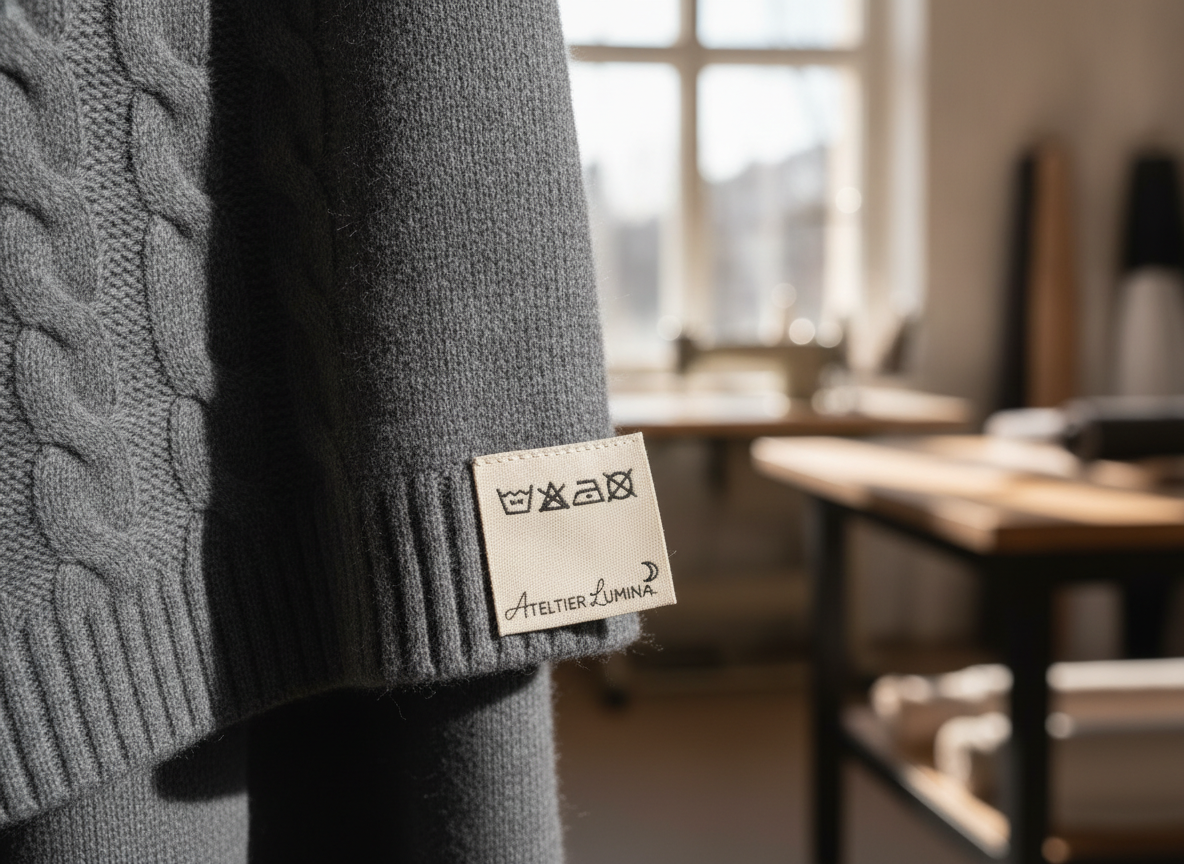
In the vibrant world of fashion, countless details contribute to a garment's story and its journey into a consumer's hands. Amidst the fabric choices, design elements, and stitching, one small but mighty component often gets overlooked: the care label. Many wonder, what are care labels and why do they hold such significance? These seemingly simple tags, usually tucked away inside a piece of clothing, serve a crucial purpose for both consumers and fashion brands. They communicate vital information, ensuring the longevity of a garment while also protecting the brand's integrity and complying with essential regulations.
Understanding the role of care labels extends far beyond basic laundry instructions. They are a silent contract between brand and consumer, offering guidance, ensuring safety, and upholding quality standards. For any fashion brand aiming for success and longevity, a comprehensive grasp of care labels is not just beneficial; it is absolutely indispensable.
Understanding What Are Care Labels: Beyond Basic Laundry
Care labels are small tags or printed areas attached to textile products. They provide essential information about the garment's composition and recommended care methods. Typically, these labels include details such as fiber content, country of origin, and a series of standardized symbols indicating washing, bleaching, drying, ironing, and professional cleaning instructions. Brands often also include their logo or other branding elements on these labels.
For consumers, care labels act as a roadmap. They guide users on how to properly maintain their clothing, preventing damage, shrinking, or fading. Following these instructions carefully preserves the garment's appearance and extends its lifespan. For instance, a delicate silk blouse requires different handling than a robust cotton tee. The care label clarifies these differences, helping consumers make informed decisions about their laundry routine.
Moreover, care labels protect brands from potential liability. Accurate information ensures consumers cannot claim improper care instructions led to garment damage. These labels also reinforce a brand's commitment to quality and transparency. They represent a direct communication channel, fostering trust and repeat business. Ultimately, the meticulous detail put into a care label reflects positively on the entire brand.
The Legal and Ethical Imperative of Care Labels
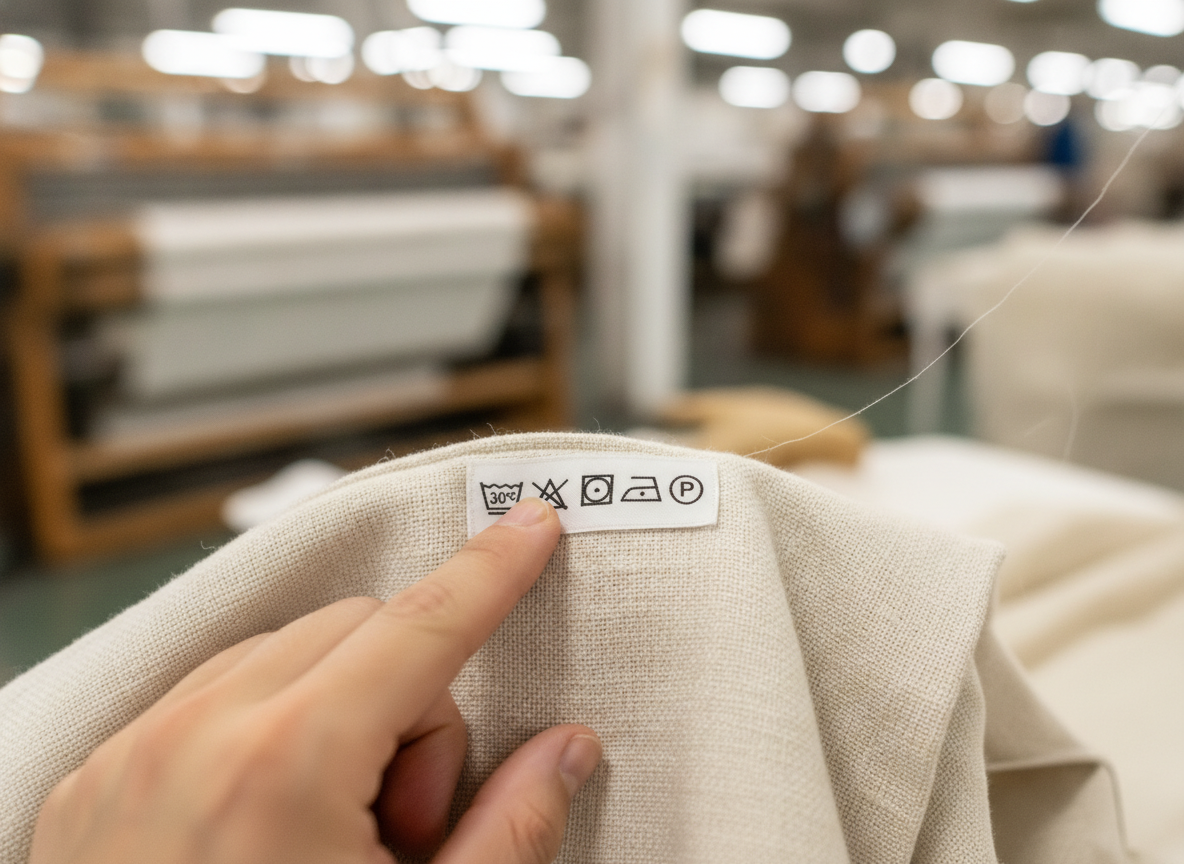
Fashion brands operate within a framework of legal requirements concerning product labeling. In the United States, for example, the Federal Trade Commission (FTC) mandates specific disclosures on textile and wool products. This includes fiber content, country of origin, and a clear set of care instructions. Similar regulations exist globally, such as those within the European Union, which demand adherence to specific care symbols and language requirements. Brands must prioritize accuracy and completeness to avoid legal repercussions, including fines, product recalls, or damage to their reputation.
Meeting these regulatory standards is not merely about avoiding penalties; it reflects a brand's ethical responsibility toward its customers. Consumers have a right to know what they are buying and how to properly care for it. Misleading or incorrect care information can lead to damaged garments, frustration, and a loss of consumer trust. Therefore, an ethical brand ensures its care labels are always precise and easily understandable, empowering customers to make the best choices for their purchases. You can explore detailed guidelines from authorities like the FTC for labeling requirements to ensure full compliance.
Furthermore, proper care labeling supports sustainability efforts. When consumers can properly care for their clothes, garments last longer, reducing waste and the need for frequent replacements. This aligns with a growing consumer demand for environmentally conscious brands. Consequently, accurate care labels contribute significantly to both legal compliance and a brand's broader ethical and sustainable practices.
Decoding Care Symbols: A Universal Language
Care labels communicate critical information through a universal system of symbols. This standardized iconography transcends language barriers, ensuring that a garment's care instructions are understood globally. Mastering these symbols is essential for both consumers and brands. The system typically features five basic symbols, each representing a primary care aspect:
- Wash Tub: Indicates washing method, temperature, and cycle (e.g., hand wash, machine wash, delicate cycle).
- Triangle: Pertains to bleaching instructions (e.g., do not bleach, non-chlorine bleach only).
- Square: Details drying methods (e.g., tumble dry, line dry, flat dry).
- Iron: Specifies ironing temperature and whether ironing is allowed.
- Circle: Provides instructions for professional textile care, such as dry cleaning.
Each main symbol often includes additional lines or dots that further refine the instruction. For example, dots inside the iron symbol indicate temperature, while lines underneath the wash tub suggest a gentle cycle. Brands must select the correct symbols that accurately reflect the garment's fiber content and construction. Using incorrect symbols can lead to consumer confusion or, worse, irreversible damage to the product, tarnishing the brand's reputation. Accurate symbol usage ensures consumers maintain the garment as intended, preserving its quality.
Crafting Effective Care Labels for Your Brand's Success
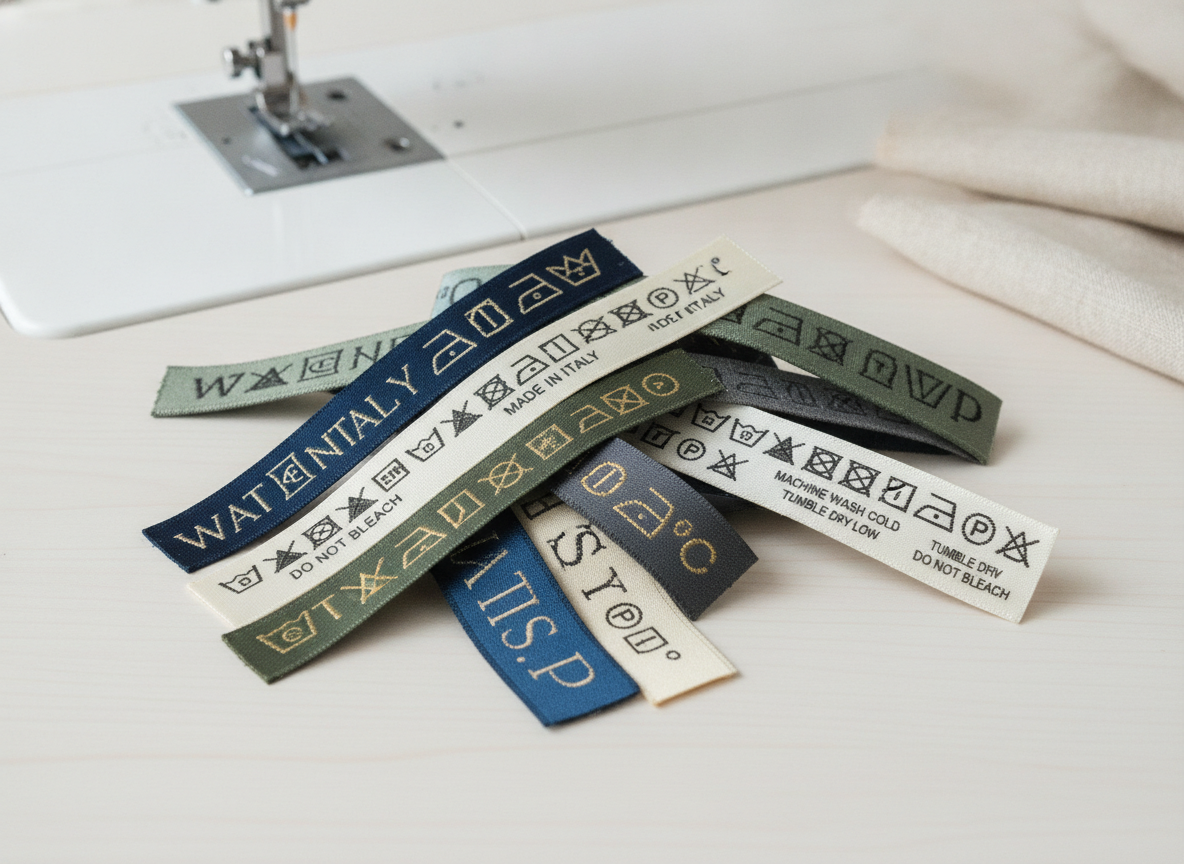
Designing effective care labels involves more than just selecting the right symbols; it requires careful consideration of readability, durability, and brand integration. A well-designed care label should be legible, clear, and able to withstand repeated washes without fading or fraying. Brands typically choose between various label types, with woven care labels being a popular choice for their superior quality and longevity. Unlike printed labels which can fade over time, woven labels ensure the care instructions remain clear and intact throughout the garment's life.
When creating your care labels, think about the end-user experience. Is the information easily accessible? Does the label irritate the skin? These small details significantly impact customer satisfaction. Consider the overall aesthetic too; a high-quality care label, even if hidden, reinforces the premium feel of your brand. HiLabels offers custom care labels crafted with European loom quality, ensuring both durability and a refined finish. Their expertise helps brands produce care labels that meet all regulatory standards while also enhancing the garment's perceived value.
Common mistakes brands make include using too small a font, selecting low-quality materials that degrade quickly, or failing to update labels for new fabric blends. Avoid these pitfalls by investing in durable, clearly printed or woven labels. Remember, your care label is a silent ambassador for your brand; ensure it communicates quality and professionalism at every touchpoint.
Beyond Compliance: Care Labels as a Branding Opportunity
While compliance with regulations forms the primary function of care labels, smart fashion brands recognize their potential as a subtle, yet powerful, branding tool. Care labels provide an often-overlooked space for reinforcing your brand identity and enhancing the overall customer experience. Instead of seeing them merely as a mandatory requirement, view them as miniature billboards for your brand's ethos and attention to detail.
Consider incorporating your brand's logo, a unique brand message, or even a QR code linking to your website or a sustainability statement. For instance, a brand committed to eco-friendliness might include a brief message about sustainable care practices on the label. A minimalist brand might opt for a sleek, understated label design that mirrors its main aesthetic. These small touches contribute significantly to a cohesive brand narrative and help differentiate your products in a competitive market. Furthermore, using premium materials for your labels, such as those crafted with European loom quality, immediately signals a commitment to excellence. This attention to detail resonates with customers, affirming their decision to invest in your brand.
High-quality, well-designed care labels demonstrate a brand's professionalism and its dedication to every aspect of the product. They quietly communicate a brand's values, contributing to a premium perception and strengthening customer loyalty. Ultimately, care labels evolve from simple instruction tags into integral components of a brand's identity and its relationship with consumers.
Conclusion
Care labels are far more than just laundry instructions; they are indispensable elements in the fashion industry. They serve as critical tools for consumer education, legal compliance, and brand reinforcement. Fashion brands must understand what are care labels and their multi-faceted role to succeed in today's market. By providing clear, accurate, and durable care information, brands protect their reputation, comply with regulations, and empower consumers to extend the life of their cherished garments. Ultimately, investing in quality care labels reflects a brand's commitment to excellence and its customers.
Frequently Asked Questions About Care Labels
Q1: What information must a care label include?
A1: Care labels typically must include fiber content, country of origin, and clear care instructions (washing, bleaching, drying, ironing, and professional care symbols).
Q2: Are care labels legally required for all clothing?
A2: Yes, in most countries, including the United States and European Union, textile products sold to consumers must carry a care label that adheres to specific regulations regarding content and format.
Q3: Why are care symbols used instead of text instructions?
A3: Care symbols provide a universal language that transcends different spoken languages. This ensures clarity and consistency for consumers worldwide, regardless of their native tongue.
Q4: Can I put my brand logo on a care label?
A4: Absolutely! Many brands use care labels as an additional opportunity for branding. You can include your logo, brand name, or even a subtle message alongside the mandatory care instructions.
Q5: What happens if a care label is incorrect?
A5: Incorrect care labels can lead to consumer complaints, garment damage, and potential legal issues for the brand, including fines or product recalls. Always ensure accuracy and adherence to regulations.
Ready to enhance your garments with professional, durable care labels? Discover the possibilities and get started on your custom care label order today by visiting HiLabels.com. Our team is ready to help you create labels that meet your brand's specific needs and uphold the highest quality standards.


