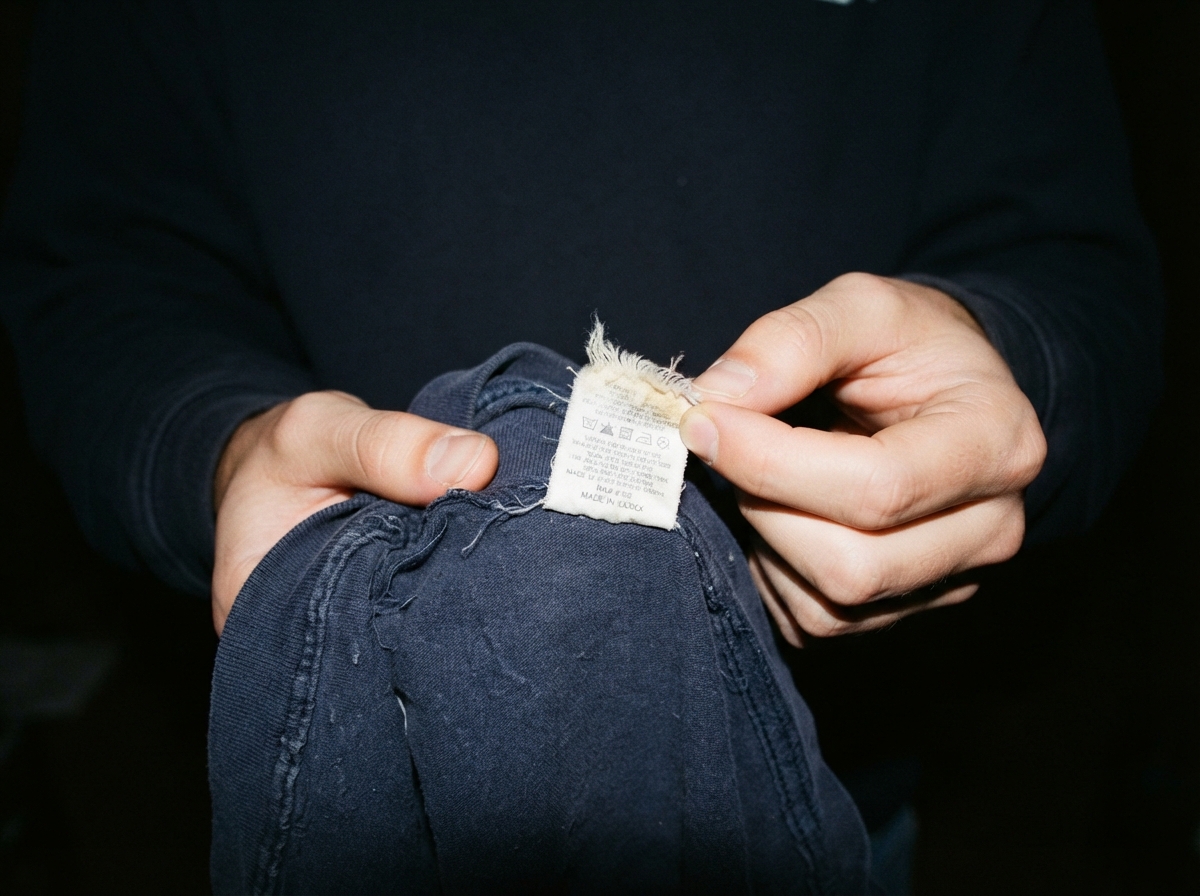
Navigating the complex world of apparel regulations can feel overwhelming for new designers and seasoned manufacturers alike. You might often wonder what information must be included on clothing care and origin labels? Providing clear, accurate details on your garments helps customers make informed choices while keeping your business legally compliant. Proper labeling protects your brand reputation and ensures that consumers know exactly how to maintain their new clothing items.
Understanding Regulatory Requirements for Apparel
Federal agencies maintain specific standards for textile labeling to protect consumers from misleading information. When you research what information must be included on clothing care and origin labels, you will quickly find that the Textile and Wool Acts serve as the primary legal foundation. The Federal Trade Commission offers comprehensive FTC guidance on fiber content, country of origin, and manufacturer identity labeling to help you navigate these rules. Every garment sold in the United States must clearly display the fiber composition, the country of origin, and the identity of the manufacturer or a registered identification number.
Furthermore, fiber content labels must list each fiber that constitutes five percent or more of the total weight. You must present these materials in order of predominance by weight. If your item contains wool, stricter rules apply to ensure accuracy for the consumer. In addition to these fiber requirements, you must accurately state the country where the product was manufactured. You cannot use vague terms; the origin must reflect where the substantial transformation of the product occurred.
Mandatory Care Instructions for Fabrics
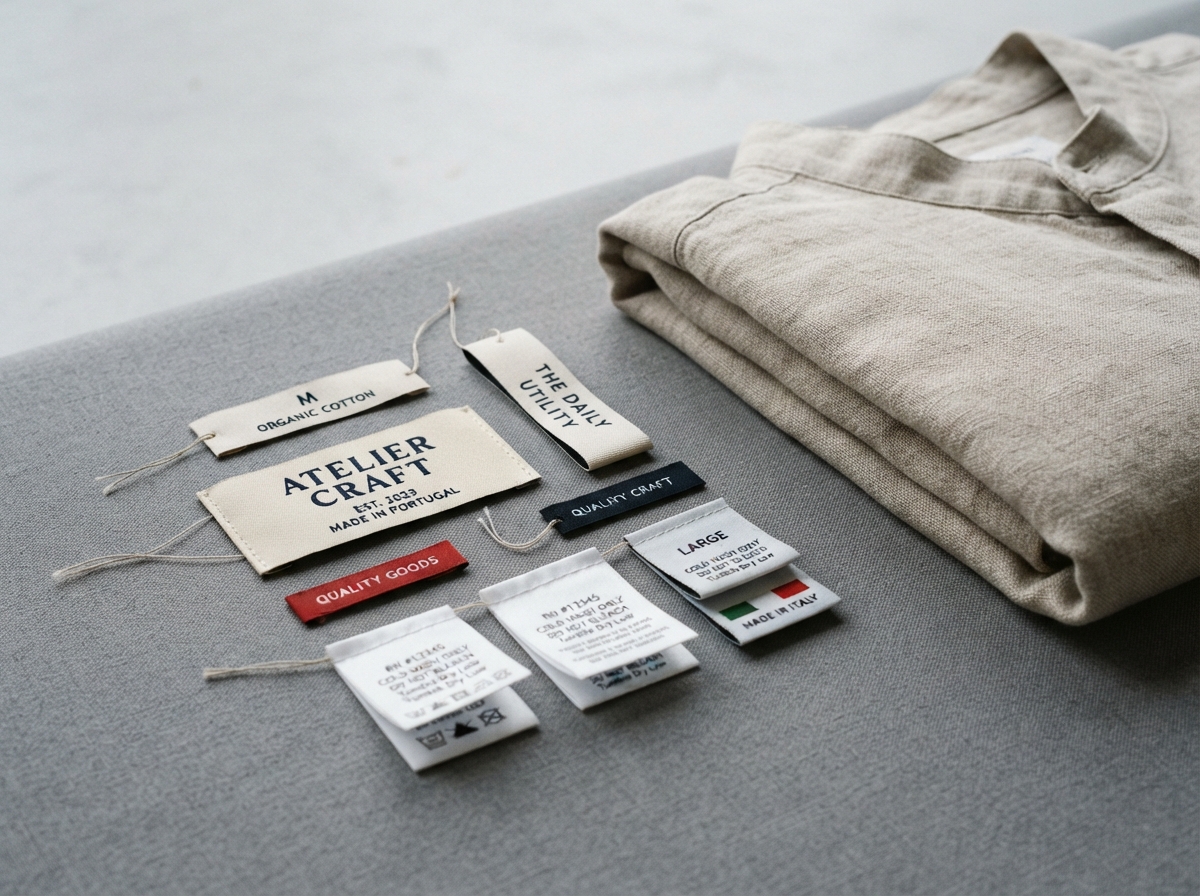
Beyond fiber and origin, clothing care labels represent a critical component of the consumer experience. The Care Labeling Rule mandates that manufacturers provide accurate, permanent instructions for the regular care of the garment. You should reference the FTC's care labeling guidance to confirm your instructions meet federal standards. These labels must specify if an item requires dry cleaning or if it can be washed safely at home.
When you provide washing instructions, you must cover the full process. Include details on washing temperatures, bleach usage, drying methods, and ironing requirements. For brands selling internationally, symbols are highly effective because they transcend language barriers. Many global manufacturers align their labels with ISO standards for textile care symbols to maintain consistency across various markets. Consistency in your labeling ensures that customers do not ruin their garments through incorrect maintenance.
Strategic Placement and Label Durability
The placement of your labels matters just as much as the content itself. Regulators require that care instructions remain attached and legible throughout the useful life of the garment. You should sew these labels into a permanent location, such as the neck or side seam, to ensure they do not detach easily. Designers often choose custom care labels that blend durability with comfort. High-quality materials ensure that the text does not fade or fray after multiple wash cycles, which is essential for long-term customer satisfaction.
Additionally, if your garment features complex trims or mixed materials, you must provide enough information to cover every component. If a care method could harm a specific trim, you must warn the consumer clearly. Think of your labels as a user manual for your clothing. By choosing robust, clear, and durable materials for your tags, you build trust with your audience. Many brands find that investing in high-quality labeling solutions from HiLabels helps them maintain this standard of clarity.
Common Pitfalls and How to Avoid Them

Many brands accidentally overlook the requirement for a Registered Identification Number, also known as an RN. This number identifies the company responsible for the garment and simplifies the process of meeting disclosure requirements. If you do not have an RN, you must list your full legal business name on the label. Never guess your fiber percentages or cleaning instructions, as inaccurate information can lead to legal issues or customer dissatisfaction. Always verify your materials through lab testing if you have any doubt about the exact fiber breakdown.
Furthermore, avoid using abbreviations that consumers might not understand. While standard symbols are excellent, keep your text clear and concise. If you provide care instructions, make sure they match the actual testing results of your fabric. If you are ever uncertain, consult the official textile care labeling regulation to ensure your labels meet every specific legal mandate. A well-informed approach saves time and prevents costly recalls later in your production cycle.
FAQ
Do I have to include care instructions on every single garment? Most textile garments require permanent care labels. However, some items, such as hosiery or certain hats, might be exempt from specific requirements.
Can I use symbols instead of written English on my labels? The law requires instructions to be in English. While you can use symbols to support your instructions, you should include written text to ensure full compliance for domestic sales.
What happens if the fiber content of my fabric changes? You must update your labels immediately. Selling a garment with a label that misrepresents the fiber content is a violation of federal law.
Should I include the country of origin in a specific language? For U.S. sales, you must state the country of origin in English. Ensure the text is conspicuous and easy to find for the consumer.
Are you ready to create durable, compliant labels that reflect your brand quality? Visit HiLabels today to explore our range of professional textile labeling solutions designed to help your brand stand out while staying fully compliant with industry standards.


