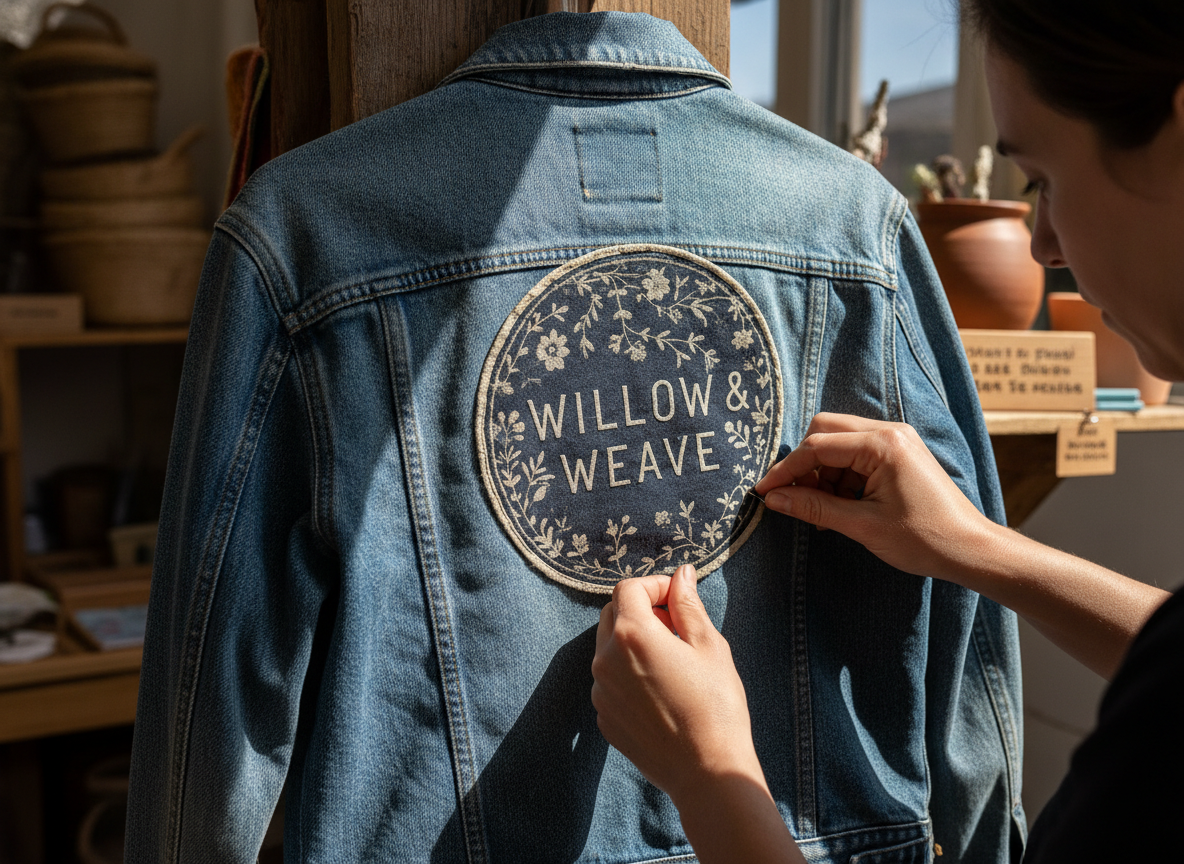
Navigating the world of custom patches often presents a critical choice for designers and brands. You need to decide whether a woven vs embroidered patch best suits your product. Both options offer distinct visual appeals and tactile experiences. However, their differences in construction, detail, and durability significantly impact their application.
Understanding these nuances helps you make an informed decision for your brand's identity and product aesthetics. We will explore the characteristics of each type, providing practical insights into when and why you might choose one over the other. This guide ensures your custom patches perfectly complement your vision.
Understanding Embroidered Patches: The Classic Choice
Embroidered patches are perhaps the most recognizable type of custom badge. People often associate them with classic uniforms, sports teams, and motorcycle clubs. Manufacturers create these patches by stitching thread onto a fabric backing. This process gives them a raised, textured appearance.
The stitching technique involves various types of embroidery, most commonly satin stitch or merrowed borders. These methods create a distinct, three-dimensional effect. Consequently, embroidered patches possess a substantial feel. The density of the thread and the depth of the stitching make them highly tactile. They also convey a sense of traditional craftsmanship.
Historically, hand embroidery was a time-consuming art. Modern embroidered patches, however, benefit from advanced machinery. Computerized embroidery machines precisely execute intricate designs. This technology allows for greater consistency and efficiency in production. Despite this automation, the fundamental aesthetic remains faithful to its traditional roots. Therefore, many brands still prefer their timeless look.
When considering design, embroidered patches excel with bolder graphics and text. The nature of the stitching limits very fine details. Small text or intricate gradients can become lost or appear pixelated. Generally, a larger patch area allows for better resolution of design elements. You can choose from various thread colors, adding vibrancy to your patch. The backing fabric is usually a twill, felt, or denim. This choice provides a stable base for the embroidery. Common applications include corporate apparel, military insignia, and promotional items. They offer a durable and recognizable branding solution.
Delving into Woven Patches: The Modern Alternative
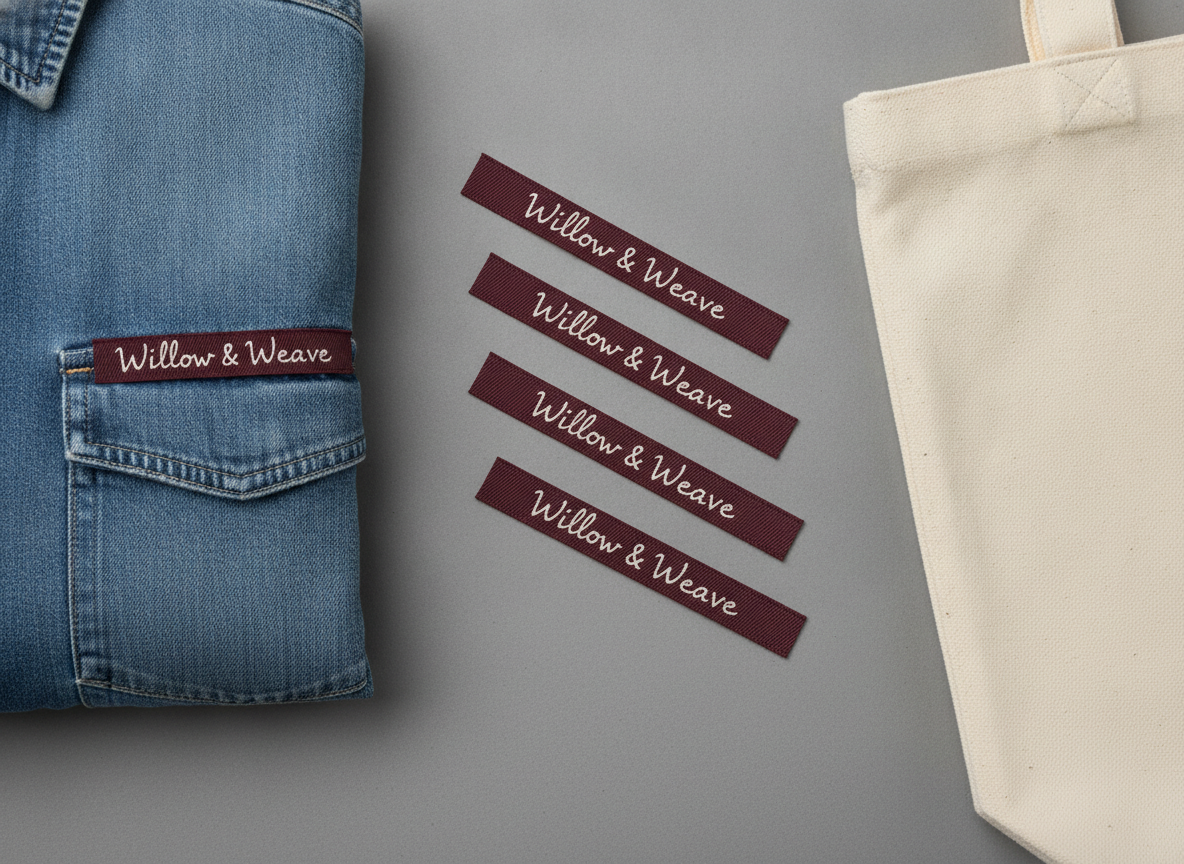
Woven patches offer a sleek, refined alternative to their embroidered counterparts. Manufacturers create these patches on a loom, similar to how they produce woven labels or fabric. Consequently, the design is woven directly into the fabric itself. This differs significantly from embroidery, where thread is stitched onto a separate backing material. This method allows for a much flatter and smoother finish.
The weaving process uses thinner threads and a tighter weave. This enables superior detail resolution. Brands can reproduce small text, intricate lines, and complex gradients with remarkable clarity. For example, recreating a photograph or a highly detailed logo becomes possible with woven patches. They offer a high-definition aesthetic that traditional embroidery struggles to achieve. Many designers appreciate this capability. They find it opens up new creative possibilities for their branding. For more information on precise textile reproduction, the Fashion Institute of Technology offers valuable resources on textile design and technology at fitnyc.edu.
Moreover, woven patches often feel lighter and more flexible than embroidered ones. Their smooth surface makes them comfortable against the skin. This characteristic proves particularly important for patches sewn onto clothing. The edges can be laser-cut or merrowed. Laser cutting provides clean, crisp edges for intricate shapes. Merrowing offers a classic, durable border. The choice depends on the desired final aesthetic and application. Often, brands choose a heat-cut edge for a very clean, low-profile finish.
Durability is another strong suit for woven patches. Because the design is an integral part of the fabric, it resists fraying and fading well. The tight weave helps prevent threads from snagging. This makes them ideal for items subject to frequent washing or heavy wear. Therefore, many outdoor gear brands and performance apparel companies opt for woven patches. They maintain their appearance over time, ensuring your brand message endures. HiLabels uses European loom quality, delivering exceptional precision and longevity for all woven products, including custom patches.
Woven vs. Embroidered Patch: A Direct Comparison
When comparing a woven vs embroidered patch, several key differences emerge. These distinctions influence both the visual outcome and the practical application of your custom patches. Understanding these points helps you align your choice with your specific brand needs and design objectives.
Firstly, consider the level of detail each patch type can achieve. Embroidered patches utilize thicker threads, limiting their ability to render fine lines or small lettering. The stitches create a textured, somewhat pixelated effect. Consequently, designs with intricate details or tiny fonts might appear less distinct. Woven patches, conversely, employ much finer threads. This allows for exceptional clarity and high-definition reproduction. You can achieve very sharp lines, small text, and detailed gradients. For logos with fine print or complex graphic elements, woven patches often provide a superior visual result.
Secondly, the tactile feel and thickness differ significantly. Embroidered patches have a raised, three-dimensional texture. The thread sits atop the backing fabric, giving them a noticeable thickness and a rugged, traditional feel. This makes them stand out physically from the garment. Woven patches, however, integrate the design directly into the fabric structure. They are flatter and smoother to the touch. This makes them more flexible and less obtrusive. For items where comfort against the skin or a low profile is essential, woven patches often prove more suitable.
Thirdly, consider durability and longevity. Both types are robust, but their wear characteristics vary. Embroidered patches can sometimes experience thread pulls or snagging over time due to their raised surface. While generally durable, extremely heavy use might affect their appearance. Woven patches, with their integrated design and tighter weave, tend to be highly resistant to fraying and fading. The design remains intact even after repeated washing and rigorous activity. This makes them an excellent choice for workwear, outdoor gear, and children's clothing. Furthermore, the manufacturing process for woven patches often involves a greater thread count, contributing to their robustness.
Finally, the overall aesthetic varies. Embroidered patches evoke a classic, handcrafted, and often sporty or uniform-like appeal. They project a sense of heritage. Woven patches offer a more modern, refined, and sophisticated look. They present a sleek, almost printed appearance due to their high detail capabilities. Your brand's desired image should guide this aesthetic choice. Therefore, weigh these factors carefully when deciding between a woven vs embroidered patch.
Choosing Your Patch: Factors to Consider
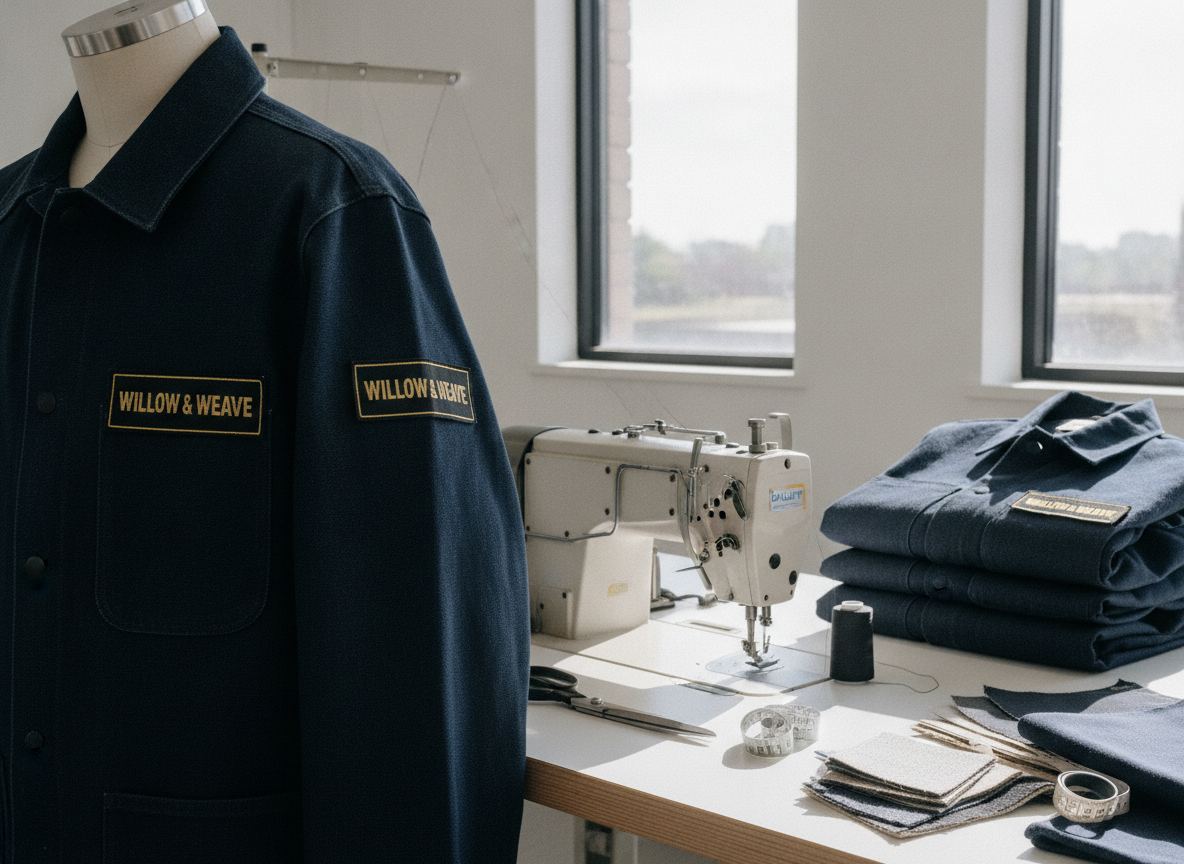
Making the right choice between a woven vs embroidered patch involves evaluating several key factors. Your final decision should align with your brand identity, product application, and budget. Here, we outline the primary considerations to guide your selection process effectively.
- Design Intricacy: Does your logo or artwork feature very fine lines, tiny text, or intricate details? If so, woven patches are almost always the better choice. Their finer thread and tighter weave allow for exceptional clarity and precision. Embroidered patches are better suited for bolder designs with fewer small elements. They handle solid shapes and larger text more effectively.
- Desired Texture and Feel: Do you prefer a raised, textured, and traditional feel? An embroidered patch delivers this tactile quality. It adds a tangible dimension to your product. For a smooth, flat, and modern finish, choose woven patches. They offer greater flexibility and a less obtrusive presence, which can be crucial for comfort on garments worn directly against the skin.
- Durability and Longevity: Consider the intended use of your product. Will it undergo frequent washing, rough handling, or extreme conditions? Woven patches generally exhibit superior resistance to fraying, fading, and snagging. This makes them ideal for high-wear items like sports uniforms, outdoor gear, or workwear. Embroidered patches are durable but might show more signs of wear over prolonged, intense use.
- Patch Size: For very small patches, achieving clear detail with embroidery can be challenging. Woven patches maintain clarity even at smaller sizes due to their fine thread count. However, for very large patches, the substantial feel of embroidery can be impressive. Consider how the patch size influences the readability and impact of your chosen design.
- Budget: The cost per patch can vary based on several factors, including size, complexity, and order quantity. Generally, the initial setup costs for both patch types can be similar. However, the per-unit price might shift based on design density and thread count. Always request quotes for both types to compare pricing for your specific project. Small batch creators, for example, often find helpful pricing guidance through resources like the Etsy Seller Handbook.
- Application Method: Both woven and embroidered patches can be applied using various methods: sew-on, iron-on, or adhesive-backed. Ensure your chosen patch type is compatible with your preferred application process. Consider the fabric of your product and how the patch will integrate.
By thoughtfully assessing these factors, you can confidently select the patch type that best enhances your brand and product. This careful consideration ensures a successful and impactful final result.
Practical Applications and Examples
Understanding the theoretical differences between a woven vs embroidered patch becomes much clearer with practical examples. Different industries and product types naturally lean towards one style over the other, based on their specific needs and desired aesthetics. Let's look at some real-world applications.
**Embroidered Patch Examples:**
Consider sports team uniforms. Their patches often feature bold team logos and numbers. The raised texture of an embroidered patch provides a classic, athletic look. It gives a sense of tradition and robust quality. Similarly, military and public service uniforms frequently use embroidered patches for insignia. These patches need to convey authority and stand up to tough conditions. Their substantial feel and durability are highly valued. Motorcycle clubs also favor embroidered patches. They attach these patches to leather vests and jackets. The patches add to the rugged, classic biker aesthetic. Furthermore, many outdoor and adventure brands use embroidered patches for their gear. These applications require patches that can endure harsh environments while projecting a classic, adventurous spirit. For example, a hiking backpack often features a large, durable embroidered emblem.
Woven Patch Examples:
On the other hand, fashion labels often choose woven patches for a more refined and contemporary appeal. A high-end streetwear brand might use a woven patch to display a detailed logo with fine lettering on a jacket sleeve. The patch's flat, smooth finish integrates seamlessly with the garment. This provides a premium, understated look. Similarly, for product lines requiring precise brand representation, such as tech accessories or promotional merchandise, woven patches are excellent. Their ability to reproduce intricate graphics ensures brand consistency across various small items. Think about a small, detailed emblem on a laptop bag or a cap. Furthermore, HiLabels offers custom woven patches that are perfect for intricate designs. These patches are ideal for designers who demand sharp detail for their brand. They are also suitable for artists needing their complex artwork reproduced accurately. The quality of European looms ensures an outstanding finish every time.
The choice between a woven vs embroidered patch often boils down to the specific visual impact and functional requirements of your project. If you are creating a collectible item with fine art, the woven patch's detail might be indispensable. If you aim for a bold statement with a traditional feel, an embroidered patch works wonders. Both types offer unique advantages; therefore, selecting the right one enhances your product's overall appeal and branding message. The Craft Industry Alliance discusses various aspects of product branding for small businesses at craftindustryalliance.org.
Making Your Decision and Partnering with Experts
Ultimately, your choice between a woven vs embroidered patch should reflect your brand's unique identity and the specific needs of your product. Consider the desired aesthetic, the level of detail in your design, the tactile experience you want to offer, and the patch's intended application. There is no universally "better" option. Instead, the ideal patch is the one that most effectively brings your vision to life.
If you prioritize intricate details, a sleek finish, and a modern aesthetic, woven patches are an excellent choice. They offer unparalleled clarity for small text and complex artwork. Conversely, if you prefer a classic, raised texture and a more traditional, robust appearance, embroidered patches will serve your purpose well. They provide a timeless feel and a noticeable presence.
Partnering with an experienced manufacturer like HiLabels simplifies this decision-making process. We bring over 30 years of expertise in crafting custom woven labels, patches, and other textile trims. Our team understands the nuances of European loom quality production. We can guide you through the selection process, offering insights into how each patch type will translate your specific design. We help you achieve the perfect custom patch, ensuring it meets your brand's high standards. Our commitment to precision and quality ensures your custom patches make a lasting impression.
Frequently Asked Questions (FAQ)
Q1: Can I get both woven and embroidered elements on a single patch?
A1: Generally, patches are either entirely woven or entirely embroidered. Combining both techniques on a single patch is uncommon due to their different production methods. However, some manufacturers can achieve hybrid looks by using different thread types or densities within an embroidered patch to mimic woven effects or vice versa. Discuss your specific design needs with a patch specialist.
Q2: Do woven patches cost more than embroidered patches?
A2: The cost comparison between woven vs embroidered patches is not always straightforward. Factors like design complexity, number of colors, size, and order quantity heavily influence pricing. While woven patches often require more intricate loom setups, their finer thread use can sometimes balance costs. Always get a detailed quote for both types for your specific project.
Q3: Which patch type is better for outdoor use?
A3: Both types offer good durability. However, woven patches often show slightly superior resistance to fraying and snagging over long periods of heavy outdoor use and frequent washing. Their smooth, integrated design reduces the chances of threads catching. This can make them a marginally better choice for extreme outdoor gear. Ensure any patch used outdoors is treated for UV resistance and water repellency if necessary.
Q4: How do I choose the best backing for my custom patch?
A4: The best backing depends on your application. Sew-on backings are the most durable and permanent. Iron-on backings offer convenience for home application but are less permanent, especially after repeated washing. Adhesive backings are suitable for temporary applications or display purposes. For high-quality garments or items needing long-term durability, sew-on is always recommended. Always consider the fabric of the item the patch will attach to.
Crafting the perfect custom patch involves thoughtful consideration of many elements. Whether you choose the textured appeal of an embroidered patch or the sleek detail of a woven one, HiLabels is here to help. We guide you through every step. Explore our extensive range of custom patches and other high-quality textile embellishments. Visit hilabels.com today to start your design journey and bring your branding vision to life.


