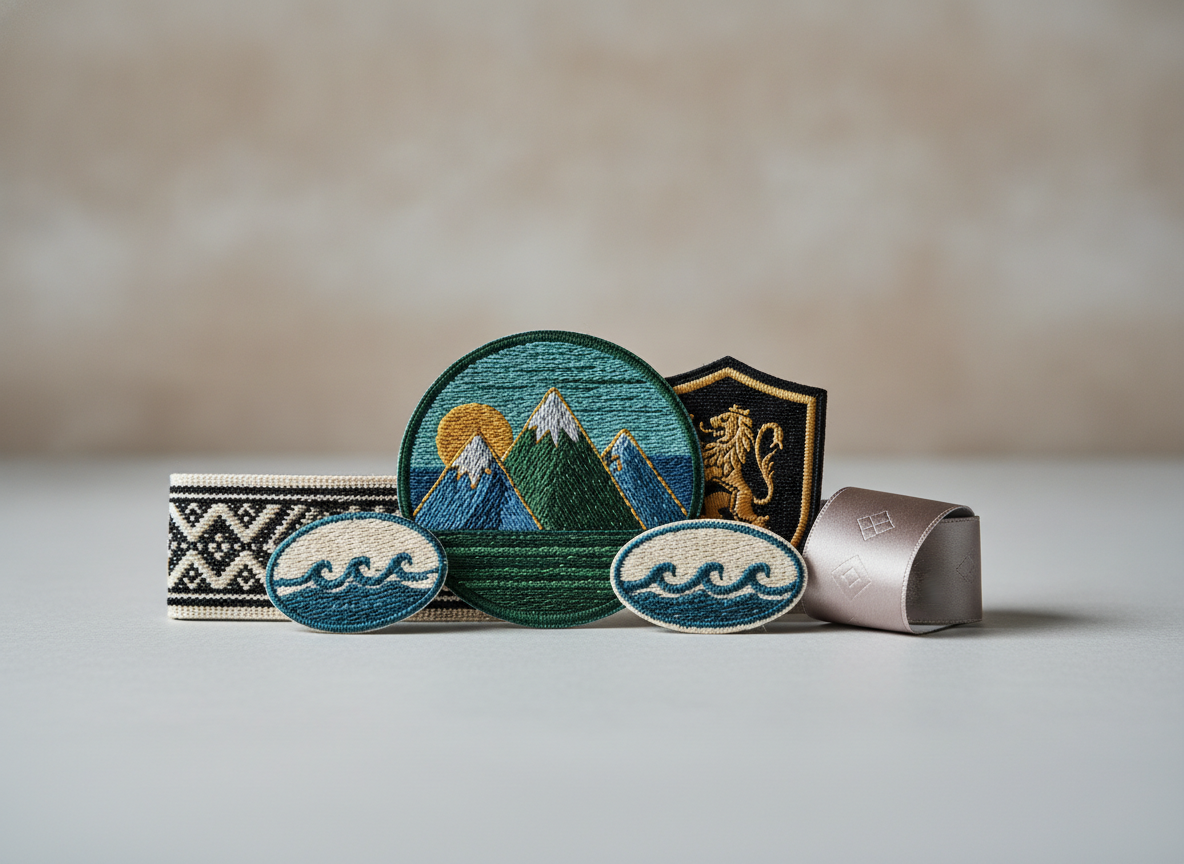
Across industries, custom embroidered patches offer a unique blend of heritage, texture, and personalization. From fashion lines to corporate branding and promotional merchandise, these versatile embellishments effectively convey messages and enhance aesthetics. Therefore, understanding the nuances of creating and applying high-quality embroidered patches is crucial for any brand aiming to make a lasting impression.
Embroidered patches provide a tactile and vibrant way to represent your brand, team, or message. Their durable nature ensures longevity, furthermore, their intricate stitching adds a dimension that printed alternatives often lack. This comprehensive guide explores everything you need to know about incorporating these distinctive items into your apparel and merchandise strategy, ensuring your brand stands out with authentic flair.
The Enduring Appeal of Embroidered Patches
For centuries, embroidery has served as a powerful form of expression, adorning everything from royal garments to military uniforms. Today, embroidered patches continue this rich tradition, offering a tangible connection to craftsmanship and quality. They evoke a sense of authenticity and belonging, making them highly desirable for consumers seeking unique, personalized items. Consequently, brands leverage this appeal to foster loyalty and create memorable products.
Think about classic denim jackets embellished with vibrant patches, or sports team jerseys proudly displaying their emblem. These examples highlight the visual impact and cultural significance that patches carry. Moreover, modern manufacturing techniques allow for incredible detail and color vibrancy, making embroidered patches more versatile than ever before. They are not merely decorations; instead, they serve as miniature artworks that communicate identity and values. Many businesses, schools, and organizations consistently choose patches for their ability to deliver a premium, handcrafted look that resonates with their audience.
Beyond aesthetics, the durability of quality embroidered patches makes them a practical choice. They withstand repeated washing, wear, and exposure to the elements far better than many other embellishment options. This resilience means your branding remains intact and vibrant for the long haul, thereby extending the life of your apparel and merchandise. When you invest in high-grade materials and European loom quality, as offered by HiLabels, you ensure that your patches meet these exacting standards, providing lasting value to your customers.
Choosing the Right Embroidered Patch Style

Selecting the ideal embroidered patch style involves considering several factors, including your design's complexity, desired texture, and budget. Different embroidery percentages and backing options significantly influence the final look and feel of your patches. Understanding these variations helps you make informed decisions that align with your brand's vision.
Embroidery Percentage and Border Types
The embroidery percentage refers to the amount of patch surface covered by thread. A 50-75% embroidery coverage typically leaves some twill fabric visible in the background, offering a classic, textured appearance. This option often suits simpler designs or those that benefit from a distinct background color. Alternatively, 75-100% embroidery coverage means nearly the entire patch surface is stitched, resulting in a dense, premium feel with rich color saturation. This provides a more luxurious finish and works well for intricate designs.
Furthermore, the border type plays a crucial role in the patch's overall aesthetic and durability. A merrowed border, characterized by a thick, stitched edge, offers a clean, traditional look and prevents fraying. This is excellent for standard shapes like circles, squares, and rectangles. Conversely, a die-cut or laser-cut border creates a custom shape that precisely follows the contours of your design. This option delivers a modern, sleek appearance and is perfect for intricate outlines or unique branding elements. Consequently, combining the right embroidery percentage with the appropriate border style allows for extensive customization, ensuring your embroidered patches truly reflect your brand.
Backing Options for Versatility
The backing of your embroidered patches dictates how you will attach them to apparel or merchandise. Selecting the correct backing ensures ease of application and long-term adherence. Here are the most common options:
- Sew-On: This is the most traditional and durable method. Patches without any special backing are designed to be sewn directly onto fabric. They offer maximum longevity and are ideal for items that experience heavy use or require permanent attachment, such as uniforms or outdoor gear. Professional sewing ensures a secure, flat application.
- Iron-On: Featuring a heat-activated adhesive on the back, iron-on patches offer a convenient, semi-permanent solution. They are popular for quick application to T-shirts, bags, and casual wear. However, for best results and maximum durability, a few stitches around the edge can reinforce the adhesion, especially on frequently washed items. Always follow specific temperature and pressure guidelines for optimal bonding.
- Velcro: Patches with Velcro backing provide ultimate versatility. They allow for easy attachment and removal, which is perfect for tactical gear, interchangeable branding on uniforms, or seasonal merchandise. This option provides flexibility, enabling users to swap out patches as needed, thus offering a dynamic branding solution.
- Adhesive/Peel & Stick: These patches feature a pressure-sensitive adhesive, making them ideal for temporary applications or promotional events. They are great for one-time use on items like event badges or non-apparel merchandise where a permanent bond is not required. However, they typically offer less durability than sew-on or iron-on options.
Choosing the right backing significantly impacts both the application process and the lifespan of your embroidered patches. Therefore, consider your product's intended use and your target audience's preferences before making a selection.
Design Considerations for Your Embroidered Patches
Crafting an effective design for your embroidered patches requires careful attention to detail, as the medium has specific capabilities and limitations. Unlike print, embroidery translates designs into thread and stitch patterns, meaning some elements may need simplification. Here, we outline key considerations to ensure your patch design translates beautifully and effectively.
Simplifying for Stitching
Firstly, simplicity often yields the best results with embroidered patches. Fine lines, small text, and intricate gradients can be challenging to replicate accurately with thread. Therefore, designers often simplify logos by reducing the number of colors, thickening thin lines, and enlarging small details. Moreover, while gradient effects are difficult to achieve smoothly, skilled digitizers can create effective color transitions using closely packed thread colors or specific stitch patterns.
Consider your patch size as well. Larger patches can accommodate more detail, whereas smaller ones demand a more minimalist approach. A good rule of thumb is to ensure that any text is at least 3-4mm tall to remain legible after stitching. Additionally, avoid complex backgrounds if they detract from the main design element. A clean, bold design often has the greatest impact and ensures your message remains clear. HiLabels, for example, often guides clients through this process, advising on how to adapt intricate artwork for optimal embroidery results, ensuring European loom quality shines through.
Color and Thread Choices
Color selection for embroidered patches is another critical design aspect. Thread colors are vibrant and long-lasting, but the available palette may differ slightly from screen colors. Therefore, it is wise to consult a thread color chart to ensure accurate color matching for your brand's guidelines. Most embroidery companies offer an extensive range of thread colors, including standard polyester, metallic, and neon options, providing ample creative freedom.
Furthermore, the type of thread can also influence the patch's appearance. Polyester thread is the most common due to its durability, colorfastness, and resistance to shrinking. Rayon thread, on the other hand, offers a silkier sheen but may be less durable. Metallic threads add sparkle and flair, perfect for special accents or luxurious branding. When selecting colors, consider contrast for readability and how the colors will appear against the base fabric of the patch itself. A thoughtful color palette enhances the patch's visual appeal and ensures brand consistency. For a deeper understanding of color in textiles, consider resources like the Smithsonian Magazine's articles on textile history, which often touch upon material and dye considerations.
Application Methods: Attaching Your Embroidered Patches

Once you have your custom embroidered patches, the next step is securely attaching them to your chosen apparel or merchandise. The method you use largely depends on the patch's backing and the item it will adorn. Proper application ensures both longevity and a professional finish.
Sewing On Patches for Durability
Sewing is undeniably the most secure and permanent method for attaching embroidered patches. This approach is highly recommended for items that will undergo frequent washing, heavy wear, or rough conditions, such as work uniforms, backpacks, and outdoor gear. You can hand-sew patches for a traditional touch or use a sewing machine for speed and precision. For machine sewing, select a sturdy thread color that matches either the patch border or the garment. Use a zig-zag stitch or a straight stitch close to the edge of the patch, ensuring it catches both the patch and the fabric securely. This method provides superior durability, consequently making your patches an integral part of the garment.
Ironing On Patches for Convenience
Iron-on patches offer a convenient, quicker application option, popular for casual wear like T-shirts, hoodies, and denim. These patches come with a heat-activated adhesive backing. To apply, position the patch on your garment, place a pressing cloth (like a thin towel or parchment paper) over it, and apply firm, even pressure with a hot iron for about 20-30 seconds. Allow the patch and fabric to cool completely before handling. For best results, consider ironing from the backside of the garment as well, if feasible. While iron-on patches are convenient, their adhesive bond can weaken over time or with repeated washing. Therefore, for truly permanent attachment on items that will see extensive use, reinforcing the edges with a few hand stitches is always a smart choice.
Caring for Your Embroidered Patches
Proper care extends the life and maintains the vibrant appearance of your embroidered patches. While patches are generally durable, specific washing and drying techniques help preserve their integrity and prevent damage to both the patch and the garment it adorns.
Firstly, always check the care instructions for the garment itself, as this may dictate the washing method. When washing items with embroidered patches, turning the garment inside out before placing it in the washing machine minimizes friction and protects the patch's stitching. Furthermore, using cold water and a gentle cycle helps prevent colors from fading and adhesives from loosening. Avoid harsh detergents or bleach, which can degrade thread quality and cause discoloration. For garments with delicate patches or those attached with iron-on backing, hand washing in cool water is often the safest approach, ensuring gentle handling.
Regarding drying, air-drying is consistently the best option for preserving embroidered patches. High heat from tumble dryers can cause threads to shrink, distort the patch shape, or weaken iron-on adhesive bonds. If air-drying is not feasible, use the lowest heat setting on your dryer and remove the garment as soon as it is dry. Never iron directly on an embroidered patch; instead, iron around it or place a pressing cloth over the patch if direct ironing is unavoidable. By following these simple care guidelines, your custom embroidered patches will continue to look sharp and vibrant for years to come, consistently showcasing your brand with pride. For custom patch orders or to explore design options, visit the HiLabels patches page.
FAQs About Embroidered Patches
What is the typical lifespan of an embroidered patch?
The lifespan of an embroidered patch largely depends on its quality, application method, and care. High-quality patches, especially those with sewn-on backings, can last for many years, often as long as the garment itself. Iron-on patches may have a slightly shorter lifespan for their adhesive bond, though proper care and reinforcement can extend their durability.
Can I iron-on patches to any fabric?
While iron-on patches are versatile, they are not suitable for all fabrics. Materials like nylon, rayon, or delicate silks can be damaged by the high heat required for iron-on application. Natural fibers such as cotton, denim, and blends usually work best. Always test a small, inconspicuous area of the fabric first or opt for sew-on patches for delicate or synthetic materials.
How do I get a custom embroidered patch quote?
Obtaining a custom embroidered patch quote typically involves submitting your design, desired size, quantity, and preferred backing option to a manufacturer. Reputable companies like HiLabels offer online quote request forms where you can upload your artwork and specify your requirements. They then provide a detailed quote based on these specifications. You can easily request a quote through their contact page.
Are embroidered patches washable?
Yes, most embroidered patches are washable. However, it is crucial to follow proper care instructions to maintain their quality. Wash garments with patches inside out in cold water on a gentle cycle, and always air-dry them if possible. Avoid harsh detergents or high heat in dryers, as these can cause damage or reduce the lifespan of the patch.
Embroidered patches offer a fantastic opportunity to enhance your brand's presence on apparel and merchandise. Their enduring appeal, tactile quality, and versatility make them a smart investment for any business or organization. By carefully considering style, design, and application, you create custom pieces that truly resonate with your audience. Ready to bring your vision to life? Explore your custom patch options and discover the difference European loom quality makes at HiLabels.com.


