Interlocking Zipper Pulls for Travel Bags: How They Work
For travel bags, the smallest hardware often determines whether a zipper feels secure, quick to use and ready for heavy handling. Interlocking zipper pulls are designed so two zipper pulls meet and connect, align or nest together when the bag is closed. That simple mechanical detail can make a suitcase, duffel or backpack easier to secure without making the opening awkward.
They are not magic anti-theft devices, and they do not replace a strong zipper, reinforced fabric or smart packing habits. Their value is more practical: they bring both zipper sliders into one controlled point, give a lock or tie a cleaner place to sit and help the user see immediately whether the main compartment is fully closed.
What interlocking zipper pulls are
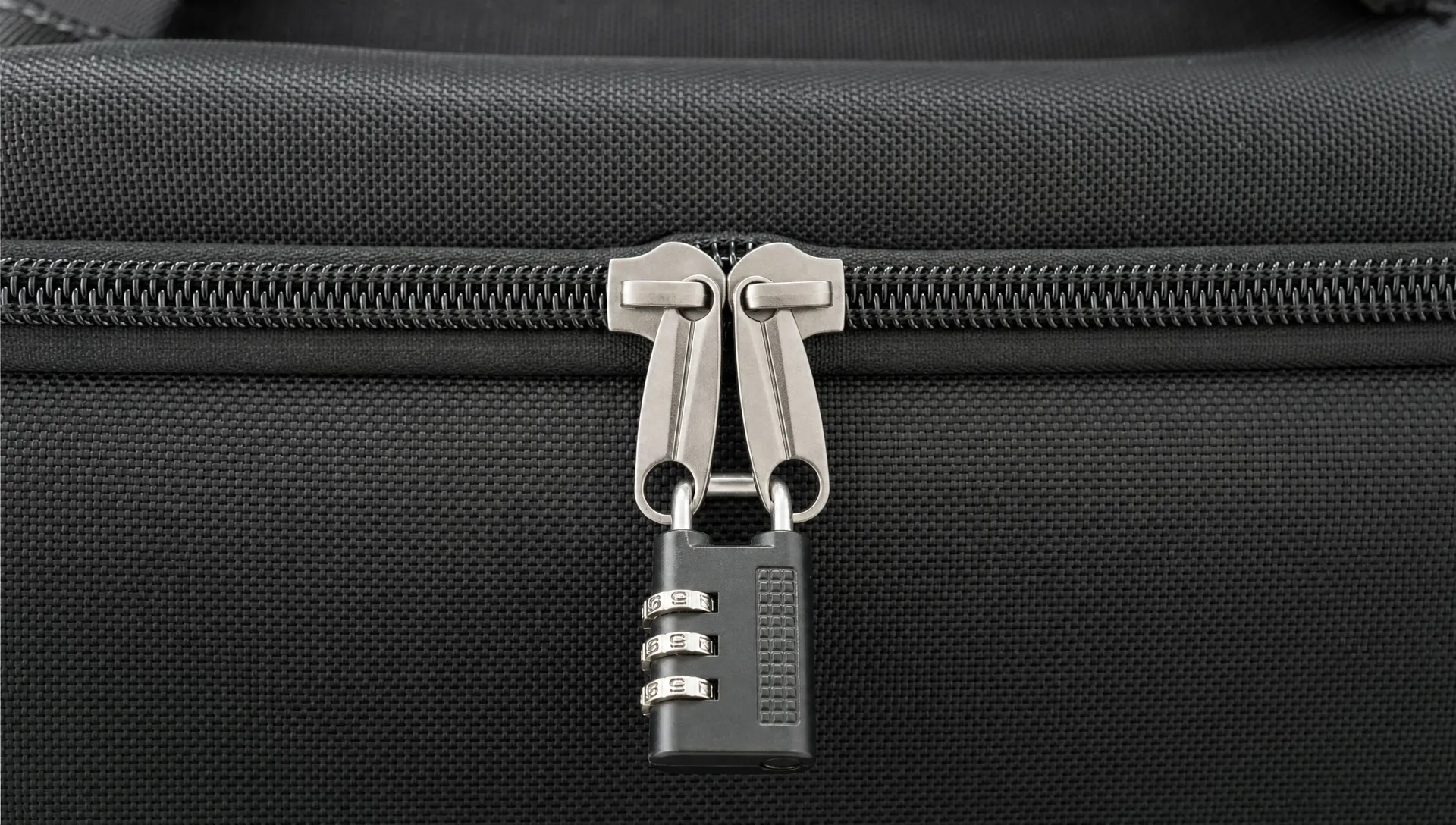
Interlocking zipper pulls are paired pull tabs that work together at the end of a two-slider zipper. Instead of two independent tabs dangling side by side, the pulls are shaped so they overlap, hook, nest or align when the sliders meet. Many designs include matching openings so a small lock, cable tie or security seal can pass through both pulls at once.
This type of pull is most common on luggage, travel backpacks, gear bags, laptop bags and some outerwear pockets. It works best on compartments where two zipper sliders close toward the center, because the mechanism depends on the pulls meeting in a predictable position.
The basic components
A travel zipper system has more than one part. The pull is only the part your hand touches, but its performance depends on the slider, chain, attachment point and surrounding fabric.
| Component | What it does | Why it matters for travel bags |
|---|---|---|
| Zipper chain | The teeth or coil that opens and closes | A weak chain can fail even if the pulls are strong |
| Slider | Moves along the chain to open or close the zipper | Two sliders must meet cleanly for the pulls to align |
| Pull tab | The handle attached to the slider | Shape, grip and hole placement affect lockability |
| Attachment loop | Connects the pull tab to the slider | Must resist twisting, pulling and repeated movement |
| Lock or tie point | The aligned opening through both pulls | Creates the interlocking function when the bag is closed |
How they work on a travel bag
The mechanics are straightforward. A two-slider zipper closes when both sliders are moved toward each other, usually at the top or center of the bag opening. In practice, interlocking zipper pulls make that meeting point more controlled because each pull has a complementary shape or opening that lines up with the other.
Once the sliders meet, the user overlaps or aligns the pulls. A small travel lock, carabiner, cable tie or tamper-evident seal can then pass through both holes. If someone tries to move one slider away from the other, the lock or tie prevents the pulls from separating. The zipper may still be vulnerable to force, but casual opening becomes harder and more visible.
Common interlock patterns
The exact mechanism depends on the design. Some pulls simply have matching holes that sit on top of each other. Others use a tongue-and-slot form, a ring-and-hook form or two mirrored shapes that nest together. The best choice depends on the bag’s use, the expected lock size and how easily the traveler needs to open the compartment.
For travel use, interlocking zipper pulls should also be easy to operate with one hand. If the tabs require too much fussy alignment, users may stop using the security feature. Good design finds a balance between positive engagement and everyday convenience.
Why this hardware improves security and access
A well designed set of interlocking zipper pulls helps prevent the most basic problem with two-slider luggage zippers: the sliders drifting apart or being pulled open quickly. When both pulls are held together, the opening point is consolidated into one place, which makes the closure easier to check before boarding, checking a bag or leaving luggage in a hotel room.
This matters because most travel bag security is about deterrence and visibility, not absolute protection. A determined thief can damage fabric, force a zipper or cut weak hardware. Still, a locked or sealed pair of pulls can discourage opportunistic access and show whether the main compartment has been disturbed.
If you are comparing this approach with other lock-ready options, HiLabels has a broader guide to locking zipper pulls for travel bags and backpacks that covers related pull styles and security considerations.
A note on air travel locks
For checked luggage, many travelers use TSA-recognized luggage locks so security officers can open bags when inspection is required. The TSA guidance on locks explains that officers may need to open baggage during screening. If you are designing or sourcing travel bags, the pull openings should leave enough room for common lock shackles without forcing the tabs out of position.
Convenience is part of the security
Security hardware fails when it is annoying to use. The traveler who has to fight a tiny pull hole or twist the tabs into alignment every time will eventually leave the bag unsecured. Interlocking pulls work best when the shape naturally guides the two tabs into place.
That same visibility helps with access. On a multi-compartment backpack, the user can quickly identify the main opening, check whether it is closed and feel the pull without looking closely. HiLabels also explains how zipper details can turn zipper hardware into a practical branding detail while improving grip and compartment recognition.
| Pull style | Best for | Main advantage | Main limitation |
|---|---|---|---|
| Matching hole pulls | Suitcases, duffels, backpacks | Simple lock alignment | Depends on hole size and placement |
| Nesting shape pulls | Premium travel bags | Clean look and guided closure | Requires precise shape design |
| Ring style pulls | Bags used with gloves or quick access | Easy grip and visible lock point | Can swing more than flat tabs |
| Molded soft pulls | Outdoor or casual travel bags | Comfortable grip and color options | May need reinforcement for lock use |
Design choices that make interlocking zipper pulls reliable
When a brand is specifying interlocking zipper pulls, the design should start with the bag’s actual use case. A carry-on used weekly by business travelers has different needs than a lightweight pouch, a school travel backpack or an outdoor duffel. The pull has to feel right in the hand, fit the slider and survive repeated motion.
Material and durability
Metal pulls often give a premium feel and can hold tight tolerances for holes, rings and nested shapes. They are a strong option for luggage, laptop bags and higher-end accessories. Rubber or soft PVC style pulls can add grip and color, but the locking point may need a metal eyelet or reinforced attachment if the pull is expected to carry security loads.
Thickness matters. A pull that is too thin can bend or feel cheap, while a pull that is too heavy may slap against the bag, scratch finishes or make noise in transit. The attachment loop also needs attention because a strong pull attached to a weak slider loop will not perform as intended.
Shape, grip and logo placement
A travel pull should be large enough to find quickly but not so large that it catches on conveyor belts, overhead bins or straps. Rounded corners are useful because bags are constantly grabbed, compressed and dragged against other surfaces. If the pull includes a logo, the mark should not interfere with the lock opening or weaken the narrowest part of the tab.
Custom branding works best when the hardware still behaves like hardware. A logo cutout may look attractive, but it should not create stress points near the attachment hole. Raised, debossed or woven brand details can be more durable than overly complex cut-through shapes, depending on the material.
Attachment and compatibility
The pull has to match the slider. Before ordering custom hardware, check the slider’s loop size, wire thickness, direction of pull and clearance when the zipper reaches the closed position. The two pulls should meet without forcing the sliders to sit crooked or under tension.
If you are replacing parts on an existing bag rather than designing a new product, review the slider first. HiLabels has a practical guide on how to install a zipper pull securely that explains how to check the slider, choose an attachment style and test the finished pull.
When to choose this style for a product line
Choose interlocking zipper pulls when the bag has a main compartment that benefits from visible closure and occasional lock use. They are especially useful on products where customers expect travel-ready features, such as carry-ons, packing cubes, duffels, camera bags, work backpacks and gear organizers.
They are also a smart choice for brands that want the zipper area to feel more intentional. A standard pull may function well, but paired hardware can make a bag look more complete when the two tabs meet. That matters in product photography, retail displays and unboxing moments because the closed zipper becomes part of the design language.
Best-fit product categories
- Luggage and carry-ons: The central zipper closure often needs a clean lock point and a durable hand feel.
- Travel backpacks: Users benefit from quick compartment checks and better grip on crowded flights or commutes.
- Duffel bags and gear bags: Larger openings need pulls that are easy to find and strong enough for frequent tugging.
- Tech and camera bags: A visible joined closure can help protect high-value contents from casual access.
When another pull may be better
This style is not always necessary. A small cosmetic pouch, inner pocket or low-risk compartment may not need an interlocking mechanism. If the zipper has only one slider, a different pull type will make more sense unless the bag includes a separate anchor point for a lock.
For fashion-first accessories, a decorative pull may be the better choice if security is not a customer priority. For extreme outdoor use, the best answer may be a glove-friendly ring pull, a cord pull with a molded end or another oversized grip that prioritizes access over lockability.
How to evaluate samples before production
Before committing to a full run, test interlocking zipper pulls on the actual bag body, not just in isolation. Close the zipper several times from different angles, then lock or tie the pulls together using the type of accessory the customer is likely to use. Watch for twisting, scraping, misalignment and any stress on the slider.
A simple sample test should answer three questions. Does the pull align naturally when the zipper is closed? Does a common travel lock fit without forcing the tabs? Does the hardware still feel comfortable after repeated use? If the answer is no to any of these, adjust the hole size, tab length, attachment method or material before production.
Brands should also check how the pulls look when the bag is full. A zipper can behave differently when the compartment is packed, especially on soft duffels and backpacks. Testing under realistic tension is one of the easiest ways to avoid a design that looks good on a flat sample but feels awkward in the real world.
Frequently Asked Questions
Are interlocking zipper pulls the same as locking zipper pulls? They are closely related, but not always the same. Interlocking designs focus on how two pulls meet or align. Locking designs focus on restricting movement, often with a lock, clip or built-in mechanism.
Do they make a travel bag theftproof? No. They improve deterrence and tamper visibility, but a zipper, fabric panel or weak slider can still be forced. They are best viewed as one useful security detail within the whole bag design.
Can they be used with any zipper? They work best with two-slider zippers where both sliders close toward each other. Single-slider zippers usually need a separate anchor point or a different lock-ready solution.
What material is best for travel bags? Metal is often preferred for premium luggage and heavy-use bags because it can feel sturdy and hold precise shapes. Soft molded pulls can work well for grip and color, provided the attachment and lock point are reinforced for the intended use.
Can brands customize this type of pull? Yes. Pull shape, material, color, finish and logo placement can often be customized, but the design should preserve grip, alignment and lock clearance.
Build better travel bag details with HiLabels
The right zipper pull can make a travel bag feel more secure, easier to use and more polished. HiLabels helps brands create custom woven labels, patches, ribbons, care labels and zipper pulls with a fast online ordering process, artwork upload options and personalized customer service.
If you are developing travel bags or upgrading an existing product line, explore custom branding details from HiLabels and create hardware that supports both function and brand recognition.


