Locking Zipper Pulls for Travel Bags and Backpacks
A good travel bag has to do more than carry belongings. It needs to open smoothly at security, protect essentials in crowded places, survive repeated handling, and still look like it belongs to your brand. That is why locking zipper pulls matter so much on travel bags and backpacks.
A locking zipper pull is not a magic theft-proof device, but it is a smart upgrade. It can help keep compartments closed, make tampering less convenient, and give travelers a simple way to add a small padlock, cable lock, or interlocking zipper system. For brands, it also turns a functional detail into a signal of quality.
Below, we will break down how locking zipper pulls work, where they make the biggest difference, what materials and designs to consider, and how to choose pulls that feel secure without frustrating the person using the bag every day.
What Is a Locking Zipper Pull?
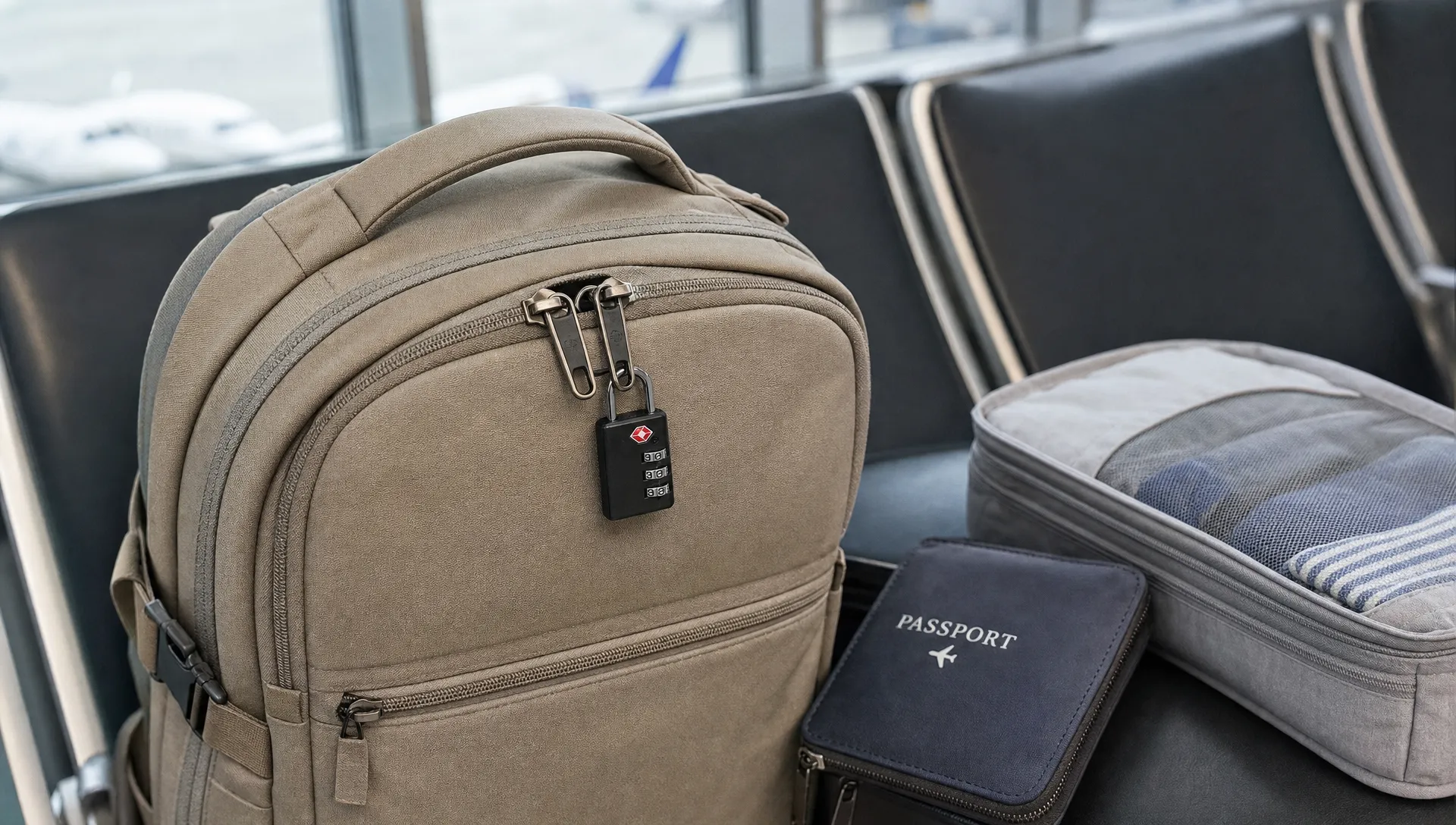
A locking zipper pull is a zipper tab, puller, or pull attachment designed to help secure a zipper opening. In travel bags and backpacks, this usually means one of three things: two zipper pulls can be locked together, the pull has a hole for a small lock, or the zipper system uses a slider that holds the pull in place when it is not being moved.
It is useful to separate “locking” from “lockable.” A locking zipper slider may have a built-in mechanism that resists movement unless the pull tab is lifted. A lockable zipper pull usually has a hole, loop, or interlocking shape that accepts an external lock. Many travel products use lockable pulls because they are simple, flexible, and compatible with common luggage locks.
For a backpack, lockable pulls are often enough. They allow travelers to secure the main compartment during commuting, hostel stays, airport lines, or day trips. For checked luggage, the lock and zipper construction matter even more, since bags may be handled roughly and inspected during travel. The Transportation Security Administration notes that passengers may lock checked baggage, although officers may need to open it during screening, which is why many travelers choose TSA-compatible locks for checked bags.
Why Locking Zipper Pulls Are Useful on Travel Bags and Backpacks
Travel creates moments when bags are out of sight, pressed against crowds, stored overhead, or left in shared spaces. A locking zipper pull adds friction to casual access. That friction can be enough to discourage quick opportunistic opening, especially on external pockets.
Just as important, locking pulls help prevent accidental opening. Zippers can creep open when a backpack is packed tightly, tossed into a trunk, or dragged under an airplane seat. A pull that connects to a second pull, a D-ring, or a small lock helps keep the compartment closed until the user intentionally opens it.
For brands, the benefit is both practical and emotional. A traveler may not analyze every stitch on a bag, but they notice when zipper pulls feel solid, align cleanly, and work with their lock. Those small interactions shape the perceived quality of the whole product.
Common use cases
Locking zipper pulls are especially valuable on:
- Main compartments of travel backpacks and carry-on bags
- Laptop and tablet compartments
- Passport, wallet, and document pockets
- Camera bags and gear packs
- Commuter backpacks used in crowded transit
- Outdoor bags with pockets that can snag or open during movement
Not every pocket needs a locking feature. A quick-access water-resistant pocket or side stash pocket may be better with a simple grip pull. The goal is to place security where it helps, not make every interaction slower.
Locking Pulls vs Standard Pulls: What Changes?
The difference is more than a hole in the tab. A well-designed locking zipper pull has to balance grip, strength, clearance, and compatibility with the zipper slider.
A standard pull is primarily about opening and closing. It may be decorative, branded, ergonomic, or easy to grab with gloves. A locking pull must do those things while also supporting a lock or secure connection point.
| Feature | Standard zipper pull | Locking zipper pull |
|---|---|---|
| Primary purpose | Grip and everyday access | Grip plus added security |
| Common placement | Any pocket or compartment | Main compartments and valuables pockets |
| Design priority | Comfort, style, visibility | Strength, hole placement, lock clearance, durability |
| Best for | Apparel, pouches, casual bags | Travel bags, backpacks, laptop bags, luggage |
| Potential downside | Less security | Can be bulkier if poorly designed |
The best locking zipper pulls do not feel like an afterthought. They are shaped so the lock sits naturally, the pull does not twist awkwardly, and the user can still open the bag quickly when it is not locked.
Types of Locking Zipper Pull Designs
There are several ways to make a zipper pull more secure. The right choice depends on the bag style, the zipper layout, and the level of convenience your customer expects.
Pulls with lock holes
This is the most common style for travel bags. Each zipper pull has a hole sized to accept a small luggage lock or cable lock. When two sliders meet, the user passes the lock through both pull holes.
This design is simple, familiar, and cost-effective. It works well for carry-ons, travel backpacks, packing cubes, and laptop compartments. The key design detail is hole placement. If the hole is too close to the edge, the pull can feel weak. If it is too far from the edge, some locks may not fit easily.
Interlocking zipper pulls
Interlocking pulls are shaped so two pullers nest, overlap, or align before a lock is added. This can make the closure feel cleaner and more intentional. It can also reduce rattling because the two pullers sit together instead of dangling separately.
This option is useful for premium travel bags where the hardware is part of the visual identity. The design needs precise spacing because the pulls must meet neatly when the zipper sliders close.
Loop or cord-assisted locking pulls
Some backpacks use cord, webbing, or flexible pull extensions attached to the metal slider. These may include a loop that can be clipped to another pull or secured with a small carabiner-style lock. This approach can be lightweight and easy to grip, especially on outdoor or casual travel bags.
However, soft materials must be chosen carefully. A cord loop is comfortable, but it may not provide the same tamper resistance as a metal tab. If the locking point is soft, consider whether it is meant for true security or simply for keeping zippers from drifting open.
Auto-lock zipper sliders
Some zipper sliders use a locking mechanism inside the slider itself. The pull tab must be lifted to move the slider, and when released, the slider resists movement. This can help prevent zipper creep, especially on garments, cases, and certain bag compartments.
Auto-lock sliders are helpful, but they are not the same as using an external lock. For travel security, many bags combine a lockable pull design with durable zipper tape and strong stitching.
Materials That Work Best for Locking Zipper Pulls
Because locking pulls may be tugged, twisted, and loaded through a small hole, material matters. The pull must handle repeated force without bending too easily or creating sharp edges that damage the lock, zipper slider, or fabric.
Metal is a popular choice for lockable travel zipper pulls because it feels durable and supports clean branding details. Zinc alloy, stainless steel, and aluminum are common in bag hardware, each with different weight, finish, and strength characteristics. If you are comparing hardware options for a product line, HiLabels has a helpful guide to how metal zipper pulls upgrade bags, jackets, and gear.
Rubber, silicone, TPU, and woven fabric can also work well when the locking function is handled by a separate slider or metal insert. These materials improve grip and can add color, but the lock contact point should still be strong enough for the intended use.
For backpacks, the best material is often the one that matches the customer’s environment. A city commuter may prefer a sleek matte metal pull. A hiking traveler may prefer a larger textured pull that is easy to grab with cold or wet hands. A children’s travel backpack may need lightweight, smooth-edged pulls that are secure but not overly heavy.
Design Details That Make a Locking Zipper Pull Better
Small design choices can decide whether a locking zipper pull feels premium or annoying. Before finalizing a custom pull, evaluate how it behaves in real use.
The pull should be large enough to grip but not so large that it catches on straps, airport bins, or clothing. Its edges should be smooth, especially around the lock hole. If the pull is metal, the finish should resist scratching and corrosion. If it is coated or painted, the coating should be suitable for repeated contact with keys and locks.
Hole size is one of the most important details. A very small hole may look refined, but it can reject common luggage locks. A very large hole may weaken the visual balance or create unnecessary movement. The best approach is to test with the type of lock your customers are likely to use.
Also consider sound. Metal pulls can rattle, especially when two lockable pulls sit together. A slightly thicker profile, interlocking shape, rubberized accent, or carefully placed pull extension can reduce noise while preserving security.
If durability is the top priority for a backpack collection, it is worth reviewing broader selection factors such as pull length, attachment style, and daily wear. This guide on how to pick backpack zipper pulls that last covers those fundamentals in more depth.
Security Expectations: What Locking Zipper Pulls Can and Cannot Do
A locking zipper pull improves security, but it should be described honestly. Most zipper-based bags are not safes. A determined thief with tools can damage fabric, force a zipper, or cut a soft pull. The main benefit is deterrence, organization, and control.
For travelers, that is still meaningful. A locked main compartment is harder to open casually in a crowd. A secured laptop pocket is less likely to gap open during a commute. A lockable zipper also gives peace of mind in shared rooms, buses, trains, and cafes.
Travel security works best as a layered system. A traveler might combine lockable zipper pulls with smart packing habits, RFID-blocking document storage, luggage tracking, and awareness in public spaces. For broader protection when leaving a home or business unattended during a trip, professional security providers such as Locked Safe Holland can help travelers think beyond the bag itself.
For brands, the key is to avoid overpromising. Use language like “lockable,” “tamper-resistant,” “helps secure,” or “designed for added travel security” when appropriate. Those phrases set realistic expectations while still communicating value.
Branding Opportunities for Travel and Backpack Brands
Locking zipper pulls are highly visible touchpoints. A traveler may touch them dozens of times a day, which makes them ideal for subtle branding. A logo, icon, embossed mark, custom shape, or signature color can make the bag feel more complete.
Good branding on locking pulls should not interfere with function. Avoid placing raised artwork where it makes the pull uncomfortable. Keep the lock hole clean and easy to access. If the pull has a front and back, make sure the branding orientation still looks good when the pull hangs naturally.
For premium bags, custom hardware can also support product storytelling. A travel backpack with lockable pulls, woven labels, and coordinated patches feels more intentional than one with generic components. HiLabels offers custom woven labels, patches, ribbons, care labels, and zipper pulls, which makes it easier for brands to coordinate these details across a product line.
If you already have artwork, you can explore custom zipper pull options from HiLabels and align the pull design with the rest of your bag branding.
Installation and Compatibility Considerations
Even the strongest locking zipper pull will fail if it is paired with the wrong slider or installed poorly. Start by checking the zipper slider body, the bridge where the pull attaches, and the size of the existing opening. The pull should move freely without grinding against the slider.
For replacement pulls, split rings and small connector loops can be convenient, but they should be strong enough for travel use. For production bags, a more integrated attachment may look cleaner and reduce failure points. If the bag has two sliders that meet, both pulls should align well enough for a lock to pass through without forcing the zipper teeth out of position.
Before approving a design, test it in realistic conditions. Fill the bag, close the zipper under normal tension, attach a lock, carry the bag, and repeat the process many times. Check for scratches, bending, rattling, coating wear, and user frustration.
For hands-on guidance, HiLabels also explains how to install a zipper pull that stays secure, including what to check before attaching a replacement pull.
How to Choose the Right Locking Zipper Pull
A good choice starts with the bag’s purpose. A minimalist carry-on, a rugged travel backpack, and a school backpack with a laptop pocket may all need different pull designs.
Focus on the experience you want the user to have. Should the pull look sleek and premium? Should it be glove-friendly? Should it accept a small padlock? Should it reduce zipper noise while walking? Answering those questions will narrow the material, size, and attachment style quickly.
Use this simple checklist when evaluating options:
- Choose a lock hole size that works with common small luggage locks.
- Match the pull weight to the bag, so it feels durable without being bulky.
- Check that the edges are smooth around the hole and grip area.
- Test the pull with the actual zipper slider and zipper tape.
- Make sure branding remains readable when the pull hangs naturally.
- Confirm that the finish can handle repeated travel use.
When in doubt, prototype. A zipper pull may look perfect in a rendering, but the real test is how it feels when the traveler is rushing through an airport, opening a laptop pocket at a cafe, or locking a compartment in a hostel room.
Frequently Asked Questions
Are locking zipper pulls theft-proof? No. They are best understood as a deterrent and convenience feature. They can make casual access harder and help keep compartments closed, but they cannot stop every form of forced entry.
What is the difference between a locking zipper pull and a luggage lock? A locking zipper pull is the pull hardware or attachment point on the zipper. A luggage lock is the separate lock that passes through the pull holes or locking points.
Can I add locking zipper pulls to an existing backpack? Often, yes, if the zipper slider has a suitable attachment point and the replacement pull is compatible. Check the slider size, attachment method, and clearance before installing.
What material is best for lockable zipper pulls? Metal is often preferred for lockable travel pulls because it is strong and durable. Soft materials can work well for grip, but the actual locking point should be strong enough for the intended use.
Should every zipper on a travel backpack be lockable? Not necessarily. Lockable pulls are most useful on main compartments and valuables pockets. Quick-access pockets may be better with simple, easy-grip pulls.
Build Travel Bags That Feel More Secure and More Finished
Locking zipper pulls are small components with a big impact. They improve the way a bag feels in the hand, help travelers secure important compartments, and give brands another place to show care and craftsmanship.
If you are designing travel bags, backpacks, laptop cases, or gear pouches, consider the zipper pull early in the process. The right shape, material, finish, and lock compatibility can make the final product feel more trustworthy and complete.
HiLabels helps brands create custom labels, patches, ribbons, care labels, and zipper pulls with professional quality and a user-friendly ordering process. Start with the details your customers touch most, and make every opening and closing moment feel intentional.


