Zipper Hooks Explained: Uses, Types, and Attachment Tips
A smooth zipper depends on more than the teeth and slider. Zipper hooks are the small attachment pieces that connect a slider to a pull tab, cord, charm or branded accessory, helping users grip the zipper comfortably without stressing the slider. They are common on jackets, backpacks, luggage, pouches, uniforms and outdoor gear, yet they are often overlooked until a pull breaks, twists awkwardly or feels cheap in the hand.
What Are Zipper Hooks?
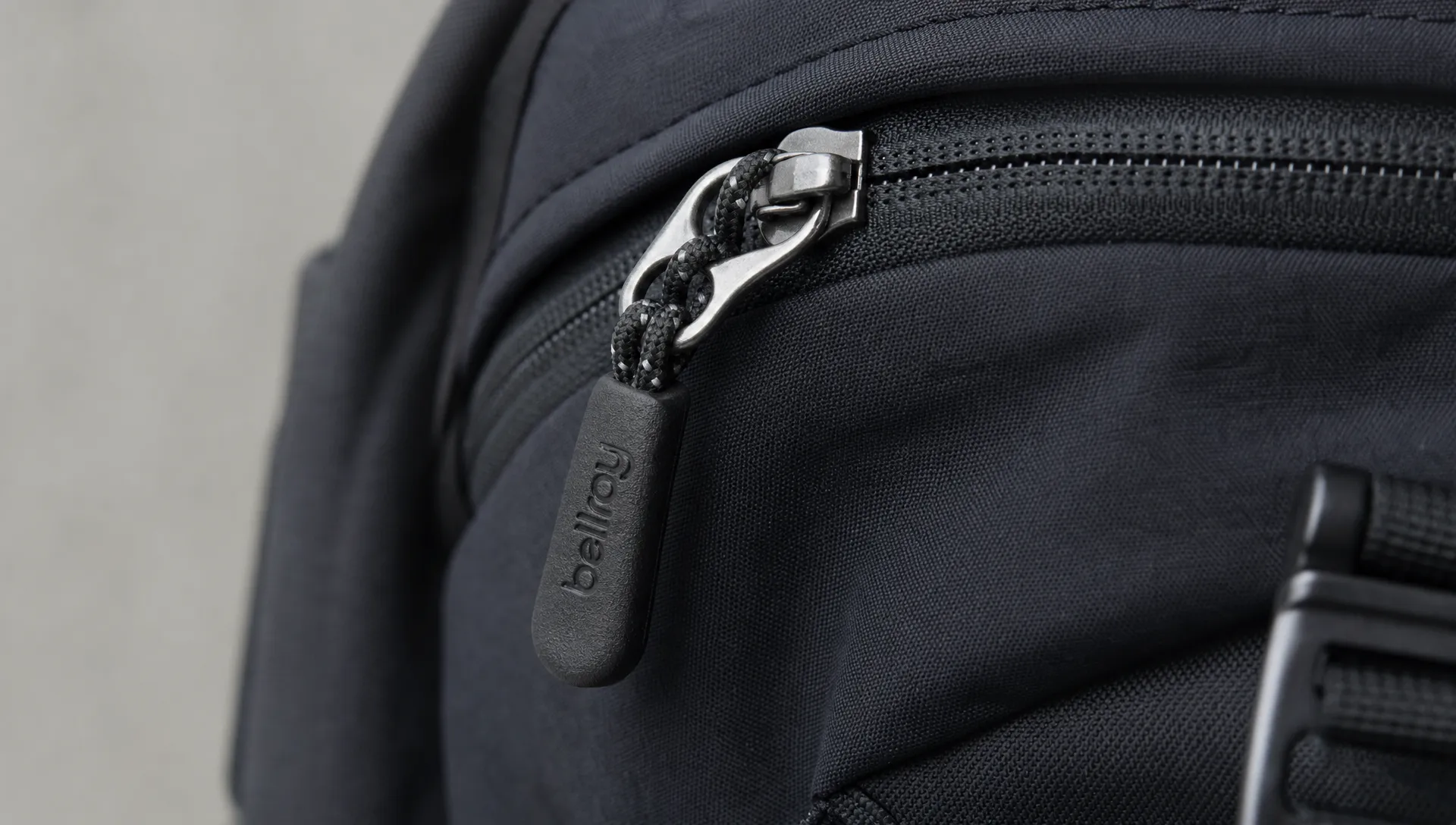
In simple terms, a zipper hook is a connector. It may be a small metal clasp, molded plastic loop, swivel clip, split ring or formed wire part that links the zipper slider to whatever the user actually pulls. The hook does not usually open or close the zipper teeth directly. That job belongs to the slider. Instead, the hook transfers hand force to the slider in a controlled way.
This small part matters because it changes how the zipper feels. A well-matched hook gives the user enough leverage, keeps the pull aligned with the slider and reduces strain on the slider’s bail, which is the tiny loop or bridge where the pull attaches. Poorly matched hardware can rattle, snag fabric, scrape coatings or pop loose under repeated use.
Most zipper hooks work best when they are chosen as part of the full zipper system, not as an afterthought. The slider size, fabric weight, product category and intended user all affect which hook style makes sense.
Where Zipper Hooks Are Used
Hooks show up anywhere a zipper needs better grip, visibility or customization. They are especially useful when the original slider pull is too small, difficult to use with gloves or not strong enough for daily handling.
Apparel and outerwear
On jackets, hoodies, vests and technical shells, hooks often connect the slider to a cord pull, rubber tab or branded metal pull. This makes the zipper easier to operate in cold weather, during sports or while wearing gloves. On children’s apparel, larger pulls can also make dressing easier, provided the part is securely attached and sized appropriately.
Bags, backpacks and travel goods
On bags and pouches, zipper hooks often carry more frequent pulling force than they would on a light garment. A backpack main compartment, cosmetics pouch or travel organizer may be opened dozens of times per day. The hook must handle repeated motion, side pulling and occasional overloading when the bag is packed tightly.
For heavier bag applications, many brands pair hooks with metal pull tabs or reinforced cord loops. If you are comparing hardware options for a premium bag line, HiLabels’ overview of metal zipper pulls is a useful companion to this guide.
Workwear, uniforms and gear
Uniforms, tactical pouches, tool bags and outdoor gear need hardware that is easy to locate and hard to lose. Hooks can hold longer pulls, high-contrast tabs or textured grips that help users find the correct compartment quickly. In these uses, durability usually matters more than decoration.
Main Hardware Types
The right hook type depends on how the product will be used, how much movement the pull needs and whether the pull should be removable. Some designs are made for clean, permanent assembly. Others are better for replacement parts or accessories that may be swapped out later.
| Hook type | Common use | Strengths | Watch out for |
|---|---|---|---|
| Split ring | Bags, pouches, replacement pulls | Simple, secure and widely available | Can scratch soft finishes if oversized |
| Lobster clasp | Charms, removable pulls, accessories | Easy to remove and replace | Spring quality matters for long-term use |
| Snap hook | Gear, bags, utility products | Strong grip and fast attachment | May look bulky on light apparel |
| Swivel hook | Bags, key pouches, accessories | Rotates to reduce twisting | Extra moving parts can add rattle |
| Formed wire hook | Jackets, small leather goods, minimalist designs | Low profile and clean appearance | Must be well formed to avoid opening |
| Molded plastic hook | Casual apparel, kids products, lightweight bags | Lightweight and color-friendly | Can crack under heavy force or cold conditions |
When choosing zipper hooks, match the connector to both the slider and the pull. A heavy hook on a tiny coil zipper can feel unbalanced, while a light plastic hook on a rugged duffel may fail before the zipper itself.
Materials, Finishes and Feel
Material choice determines how zipper hooks look, sound, age and perform. Metal options are common because they feel solid and can support premium finishes. Zinc alloy is often used for cast shapes and custom forms. Brass has a warm look and good corrosion resistance. Stainless steel is a strong choice where moisture, sweat or outdoor exposure are concerns.
Plastic hooks reduce weight and can be produced in many colors, which suits sportswear, children’s items and casual accessories. Nylon and acetal-style plastics are often chosen for functional parts because they resist everyday wear better than brittle decorative plastics. For high-friction or outdoor uses, avoid materials that become sharp, chalky or weak with UV exposure.
Finish also affects the product experience. A polished metal hook may look refined on a handbag but show scratches faster on trail gear. Matte, satin, black nickel, antique brass and painted finishes can align the hook with other trims, such as snaps, eyelets, buckles and logo plates. If your accessory brand is expanding into new markets, hardware sourcing is only one operational detail; founders building a UAE presence may also need UAE company setup and compliance support to keep the business side as structured as the product specification.
How to Attach Zipper Hooks Securely
Attachment starts with the slider. Before adding any hook, inspect the slider bail for cracks, bends, burrs or worn metal. If the bail is damaged, even the strongest hook may not stay attached. The hook should pass through the bail without forcing it open, scraping the slider coating or sitting at an awkward angle.
For a deeper installation walkthrough, HiLabels has a dedicated guide on installing a zipper pull securely, but the core checks are straightforward.
- Choose a hook opening that fits the slider bail without stretching it.
- Use smooth pliers or protected jaws when opening jump rings or formed wire hooks.
- Twist jump rings sideways instead of pulling the ends apart, which weakens the ring shape.
- Confirm that the pull can move freely from side to side without jamming against fabric.
- Test the zipper several times under normal pulling angles, not just straight outward.
Correctly fitted zipper hooks should feel secure but not rigid. A little movement helps the pull follow the user’s hand and reduces stress on the slider. Too much movement can create noise, tangling or snagging, especially on bags with multiple compartments.
Attachment mistakes to avoid
Do not use a hook that is much harder than the slider coating if the product will see constant motion. Over time, the hook can wear through plating or paint. Avoid forcing oversized hardware through a small bail, since that can crack or spread the slider loop. For lightweight garments, be cautious with heavy metal charms that swing while walking, as the repeated impact can weaken the slider.
Zipper Hooks for Branding and Product Design
For custom products, zipper hooks can carry more than function. They help define the product’s touchpoint, the part your customer handles every time they open a bag or jacket. Shape, color, texture and weight all send brand signals before the user even notices the label.
A minimalist outdoor brand might choose a matte black hook with a short cord pull. A boutique apparel label may prefer antique brass with a small engraved tab. A kidswear line may choose a light, colorful plastic connector with rounded edges. The right choice should fit the product’s use first, then support the visual identity.
This is also where custom trims work together. Woven labels, care labels, patches, ribbons and zipper hardware should feel like they belong to the same brand system. If you are planning a collection, it helps to review how zipper pulls support both function and branding before finalizing the hook style.
Ask these questions before approving a sample:
- Does the hook match the finish of other metal or plastic trims?
- Is the pull easy to grip for the intended user?
- Does the hook make unwanted noise during movement?
- Can the part survive washing, travel or outdoor exposure if the product requires it?
Troubleshooting Common Problems
If zipper hooks fail, the cause is usually mismatch, poor installation or weak base hardware. The hook may be fine by itself, but unsuitable for the slider size, fabric weight or pulling direction.
| Problem | Likely cause | Practical fix |
|---|---|---|
| Hook keeps opening | Thin wire, weak spring or wrong load rating | Switch to a stronger clasp, split ring or closed connector |
| Pull twists constantly | No swivel or poor alignment | Use a swivel hook or shorter pull length |
| Slider bail wears down | Hook is too hard, heavy or sharp | Choose smoother hardware and reduce pull weight |
| Pull feels difficult to grab | Hook and pull are too small | Add a longer tab, cord loop or textured grip |
| Hardware rattles loudly | Oversized metal parts or too many moving pieces | Use tighter sizing, cord pulls or rubberized elements |
Testing should imitate real use. Open the zipper with the product packed, worn or held the way a customer would use it. A zipper on an empty sample may feel fine, then become difficult once the bag is full or the jacket fabric is under tension.
Frequently Asked Questions
Are zipper hooks the same as zipper pulls? Not exactly. A hook is usually the connector between the slider and the pull, while the pull is the part the user grips. Some hardware combines both functions in one piece.
Can I replace a broken hook without replacing the zipper? Yes, if the slider bail is intact. Many broken hooks can be replaced with a split ring, clasp or compatible pull attachment. If the slider itself is cracked or bent, replace the slider or zipper component instead.
What material is best for heavy bags? Metal is often the better choice for heavy bags because it handles repeated force well. Stainless steel, brass and quality zinc alloy can all work, depending on the design, finish and exposure conditions.
Do zipper hooks work with cord pulls? Yes. Many cord pulls attach through a hook, ring or slider bail. The cord diameter, knot style and hook opening should be tested together so the cord does not slip, fray or bunch.
Build Better Details Into Every Product
Small trims can make a product feel reliable, polished and easy to use. When you choose the right connector, match it to the slider and test it under real conditions, the zipper becomes a stronger part of the customer experience.
HiLabels helps brands create custom woven labels, care labels, patches, ribbons and zipper pulls with a user-friendly online ordering process and personalized support. If you are developing apparel, bags or accessories, the right finishing details can turn a standard product into something customers remember.


