Wunderlabel Iron-On Labels: What to Compare Before Buying
If you searched for wunderlabel iron on labels, you are probably not just looking for a name tag. You are trying to decide whether an iron-on label is the right balance of convenience, durability and brand presentation for your garments. That choice depends less on the brand name and more on how the label will be used, washed, touched, stretched and seen.
Iron-on labels can be excellent for quick identification, uniforms, camp clothing, handmade gifts and some light branding needs. They are not automatically the best choice for every apparel product. Before buying, compare them against sew-in woven labels, printed care labels, patches and other custom branding options so you do not end up with labels that peel, feel bulky or underrepresent your brand.
How to compare wunderlabel iron on labels before you buy
The smartest comparison starts with the job your label needs to do. A label for a child’s jacket has a different purpose than a label on a premium knitwear line. One needs easy identification. The other needs to communicate quality every time the customer handles the garment.
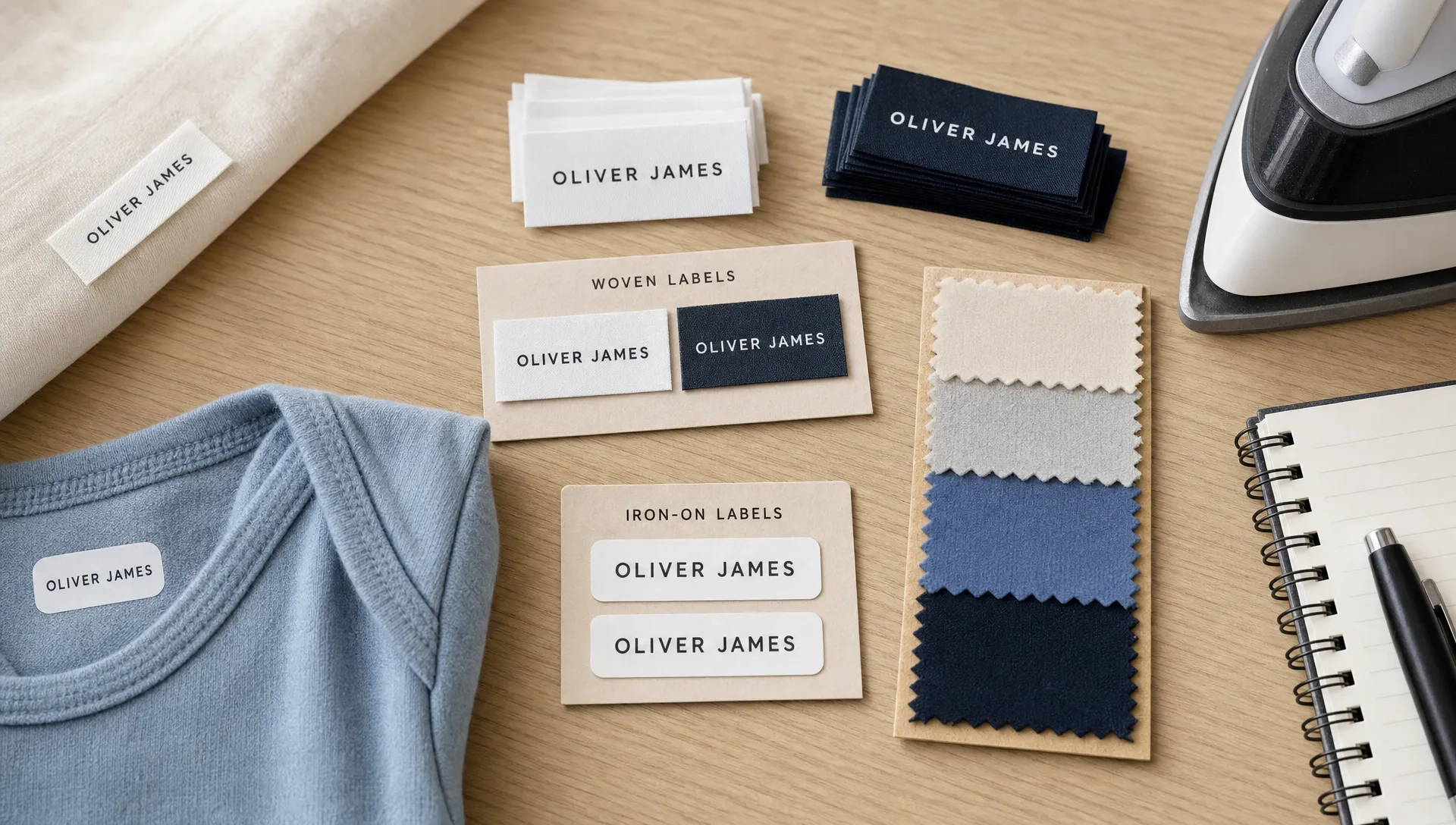
If the label is mainly functional, focus on adhesion, wash resistance and legibility. If it is part of your customer-facing branding, compare texture, finish, edge quality and how polished it looks next to the fabric. That is where iron-on labels and sew-in woven labels can lead to very different results.
A buyer comparing wunderlabel iron on labels should also check whether the label is intended for personal use, resale apparel or handmade products sold under a brand name. Selling finished garments often brings care, fiber and origin labeling considerations that a simple name label may not cover.
Check the fabric, adhesive and heat requirements
Iron-on labels work through a combination of heat, pressure, time and fabric compatibility. If one of those variables is wrong, the label may not bond cleanly or may start lifting after washing. This matters most on textured, stretchy, coated or heat-sensitive materials.
Cotton and many cotton blends are usually more forgiving than nylon, fleece, waterproof outerwear or delicate synthetics. A fabric that cannot tolerate a hot iron may not be a good candidate for a heat-applied label at all. Always check the garment care tag before applying any iron-on product.
When you compare wunderlabel iron on labels with other suppliers, look for clear instructions on temperature, pressing time, pressure, cooling and whether steam should be avoided. Vague application directions can turn a simple label purchase into trial and error, especially when you are labeling more than a few garments.
| What to compare | Why it matters | What to verify before buying |
|---|---|---|
| Fabric compatibility | Some fabrics resist heat or adhesive bonding | Approved fabric types and exclusions |
| Application method | Heat, pressure and time affect adhesion | Iron settings, press time and cooling instructions |
| Label edge finish | Edges can affect comfort and peeling | Whether edges are soft, sealed or likely to lift |
| Wash and dry guidance | Laundry stress is the real durability test | Washing temperature and dryer suitability |
| Removal expectations | Some labels are not meant to be removed cleanly | Whether removal may damage the garment |
Compare durability based on real use
A label that survives occasional wear may not survive weekly laundering, sports use or tumble drying. Durability is not just about whether the label stays attached. It also includes whether the text remains readable, the corners stay flat and the garment still feels comfortable.
For buyers choosing wunderlabel iron on labels for school uniforms, kids’ clothing or shared garments, wash frequency should be the first durability question. For small brands, the bigger question is whether the label still supports a professional impression after the customer has washed the garment many times.
If you sell apparel in the United States, care information is also more than a convenience. The Federal Trade Commission provides guidance on the Care Labeling Rule, which applies to many textile wearing apparel items. A decorative iron-on name label is not a substitute for a proper care label when regulations apply.
Think beyond peel resistance
Peeling is the obvious failure, but it is not the only one. Labels can crack, fade, curl at the corners or become uncomfortable against skin. If the label will sit at the neckline, waistband or side seam, comfort deserves as much attention as adhesion.
If your goal is long-term brand presentation, compare iron-on labels with sew-in options. HiLabels has a useful breakdown of printed cloth labels vs woven labels for apparel if you are deciding between surface detail, woven texture and garment durability.
Evaluate design limits before uploading artwork
A small label has limited space, so detailed artwork can lose clarity fast. Thin lettering, complex icons, delicate borders and low contrast color choices often look better on a screen than on a finished label. This is true whether the label is iron-on, woven or printed.
Before ordering wunderlabel iron on labels, reduce your design to the essentials. For personal labels, a name and phone number may be enough. For brand labels, a clean logo, readable type and strong contrast usually matter more than squeezing in a slogan, website and social handle.
Ask whether you can preview the label at actual size. A proof should help you judge spacing, type size and alignment before production. If you are using an online design tool, check how artwork is handled and whether uploaded files need a specific format or resolution.
Look past unit price and compare total value
The cheapest label is not always the lowest-cost choice once you include shipping, minimum order quantities, artwork limitations and replacement risk. If labels peel early or do not match your garment quality, you may spend more fixing the problem than you saved upfront.
If you compare wunderlabel iron on labels only by pack price, you may miss the details that affect the finished result. Look at whether the order includes proofing, whether custom artwork is supported, how many colors are allowed, what turnaround time is realistic and whether customer support can answer production questions.
For makers and apparel brands, consistency also has value. If you will reorder labels season after season, choose a supplier that can help you maintain sizing, colors and design continuity across future products.
| Cost factor | Why it affects value |
|---|---|
| Minimum order quantity | A low unit price may require more labels than you need |
| Artwork support | Poor file setup can lead to unclear or unusable labels |
| Proofing process | A clear proof helps catch mistakes before production |
| Shipping timing | Delays can affect launches, markets or customer orders |
| Reorder consistency | Stable specs help keep your branding uniform |
Know when an iron-on label is not the best fit
Sometimes the best decision after researching wunderlabel iron on labels is to choose a different label format. Iron-on labels are convenient, but convenience should not outweigh garment quality, compliance needs or the customer experience.
Sew-in woven labels are often a better fit for premium apparel, accessories, handmade goods and products where the label should feel integrated rather than applied. Printed care labels can carry wash instructions, fiber content and sizing information. Patches can create a visible brand moment on jackets, hats, bags or workwear.
If you are building a full labeling system, this guide to custom sewing labels every maker should consider can help you map out brand labels, size labels, care labels, hem labels and other useful pieces. For bolder exterior branding, HiLabels also covers what to evaluate in custom iron on patches.
Match the label to the placement
Placement changes the decision. Neck labels need softness. Hem labels can be more decorative. Care labels need enough room for readable information. Exterior patches need structure and visual weight.
A label that works on a cotton T-shirt may not work on a ribbed beanie, canvas tote or satin pouch. If you sell different product categories, you may need more than one label type rather than forcing one format onto everything.
A practical buying checklist
Keep this checklist nearby when reviewing wunderlabel iron on labels or any comparable custom label option. It will help you compare what matters before you place an order.
- Confirm the fabric type, heat tolerance and garment care instructions.
- Decide whether the label is for identification, branding, care information or decoration.
- Review application instructions for temperature, time, pressure and washing delay.
- Check design readability at the final label size, not only on a large screen.
- Compare total cost, including shipping, minimums, proofing and possible reorders.
- Consider whether a sew-in woven label, care label or patch would better match the garment.
This process is especially useful for small brands because labels are part of the product experience. Customers notice labels when they put on a garment, wash it, gift it or decide whether the item feels professionally made.
Frequently Asked Questions
Are wunderlabel iron on labels good for all fabrics? No. Iron-on labels depend on heat and adhesive, so they are not ideal for every fabric. Always check the garment care instructions and the label supplier’s compatibility guidance before applying them.
Do iron-on labels last as long as sew-in woven labels? It depends on the fabric, adhesive, application quality and washing routine. Sew-in woven labels are often preferred for long-term apparel branding because they are physically stitched into the garment.
Can I use an iron-on label as a care label? Usually, a dedicated care label is a better choice for apparel sold commercially. Care information must be readable and appropriate for the garment, and regulated products may need specific labeling details.
What should I compare besides price? Compare fabric compatibility, application instructions, design clarity, wash guidance, proofing, turnaround time and reorder consistency. These factors usually matter more than a small difference in unit price.
Build a label system that fits your products
Wunderlabel may be one option on your shortlist, but the right choice comes from matching the label to the garment, the user and the brand impression you want to create. For quick identification, iron-on labels can be practical. For polished apparel branding, sew-in woven labels, care labels, patches, ribbons and zipper pulls may create a more complete presentation.
HiLabels helps brands and makers create custom woven labels, care labels, patches, ribbons and other durable branding products online, backed by decades of label-making experience. If you are comparing options now, use the criteria above to decide what your garments truly need before you order.


