Custom Woven Clothing Labels for a Polished Brand Look
A polished garment is never built from one detail alone. Fabric, fit, stitching, packaging, photography, and customer service all contribute to how a buyer judges your brand. Still, one of the most memorable finishing touches is also one of the smallest: custom woven clothing labels.
A woven label sits directly on the product, which means it continues working long after the sale. It can reassure a first-time buyer, remind a repeat customer who made the piece, and turn a simple garment into something that feels considered, intentional, and ready for retail.
For apparel brands, designers, boutiques, handmade sellers, merch creators, and private-label businesses, the right label is not just a name tag. It is a brand signal.
Why woven labels make clothing look more finished
A garment without a label can feel unfinished, even if the sewing quality is excellent. A garment with a poorly designed label can feel inconsistent, even if the logo is strong. Custom woven labels solve both problems by creating a permanent, tactile, brand-aligned detail that feels integrated into the product.
Unlike temporary packaging, a woven label stays attached. It is seen when the customer puts the item on, folds it, washes it, gifts it, or resells it. That repeated exposure is valuable because it reinforces the brand in a natural way.
The texture of woven thread also adds depth. Instead of sitting on top of fabric like ink, the design is created by interlaced threads. This gives the label a refined look that works especially well for fashion, accessories, outerwear, children’s clothing, uniforms, home textiles, and premium merchandise.
A polished label communicates three things quickly:
- The brand pays attention to detail.
- The garment was made with intention.
- The product belongs to a recognizable collection or brand world.
That last point matters more than many growing brands realize. When every product carries the same visual identity, customers begin to associate your name with a specific level of quality.
What makes a custom woven clothing label look polished?
A polished label is not necessarily the most complicated label. In many cases, simple, balanced, and readable designs look the most professional. The goal is to translate your brand identity into thread without losing clarity.
Clear branding
Your label should make the brand name or logo easy to recognize at normal viewing distance. Fine lines, tiny slogans, and overly detailed illustrations can lose definition when woven. If your logo has small details, consider simplifying the artwork for the label while keeping the core brand shape intact.
This does not mean your label has to be plain. It means the woven version should be designed for its actual size and material. A one-inch neck label has different requirements than a large patch-style hem label.
Balanced colors
Color plays a major role in perceived quality. High contrast usually improves readability, while too many thread colors can make a small label feel busy. A polished brand label often uses a tight palette that matches the rest of the brand system.
For example, a minimalist womenswear brand might choose cream thread on a black background. A children’s brand may use brighter colors, but still needs enough contrast for the name to read clearly. A heritage workwear brand may prefer muted tones that feel durable and classic.
The right size and fold
A label should feel proportional to the garment. If it is too large, it can overpower the piece. If it is too small, the logo may become hard to read. Fold style also affects the final impression. Center-fold labels are common at the neckline or waistband, while straight-cut labels can work well on hems, bags, sleeves, and packaging.
If you are still refining the design, HiLabels has a helpful guide with tips for better custom design woven labels that covers practical choices like size, colors, and artwork simplification.
Comfortable placement
A premium-looking label should not irritate the wearer. Neck labels, waistband labels, side seam labels, and hem labels each create a different customer experience. A scratchy or awkwardly placed label can distract from the garment, no matter how beautiful it looks.
Before ordering in volume, think about how the garment will be worn. Activewear, baby clothing, and base layers may require softer placement decisions than outerwear or bags.
Design choices that affect the final brand impression
A good label design should support the garment rather than compete with it. Use the table below as a quick decision guide when planning custom woven clothing labels for a clean, professional look.
| Design choice | Polished approach | Common mistake to avoid |
|---|---|---|
| Logo detail | Use simplified artwork that remains recognizable when woven | Using tiny lines or complex gradients that cannot translate clearly |
| Color palette | Choose strong contrast and colors that match your brand system | Adding too many colors without improving readability |
| Label size | Match the scale of the label to the garment and placement | Choosing a size before testing how the logo reads |
| Fold style | Select a fold that fits the sewing location and use case | Picking a fold style only because it looks good in a mockup |
| Placement | Put the label where it adds value without discomfort | Placing labels where they rub, twist, or distract from the garment |
| Copy | Keep wording short, readable, and useful | Trying to fit a tagline, website, care details, and logo on one tiny label |
A polished label often comes from restraint. If the brand name, spacing, and thread contrast are strong, the label will usually feel more expensive than one overloaded with unnecessary details.
Matching the label to the garment type
The best label choice depends on what you sell. A premium hoodie, silk scarf, denim jacket, tote bag, and children’s pajama set all need different label decisions.
For higher-end apparel, a clean neck label or discreet hem label can reinforce elegance. For streetwear, a visible woven patch or side seam label can become part of the product’s identity. For handmade goods, a small woven sewing label can make the item feel more complete and gift-ready. For uniforms or hospitality apparel, consistency and durability may matter more than decorative detail.
Think about the customer’s first interaction with the product. If they discover your garment on a rack, the label may be seen only after purchase. If they receive it in an online order, the label becomes part of the unboxing and try-on experience. If the item is a gift, the label helps the recipient understand the maker and quality behind it.
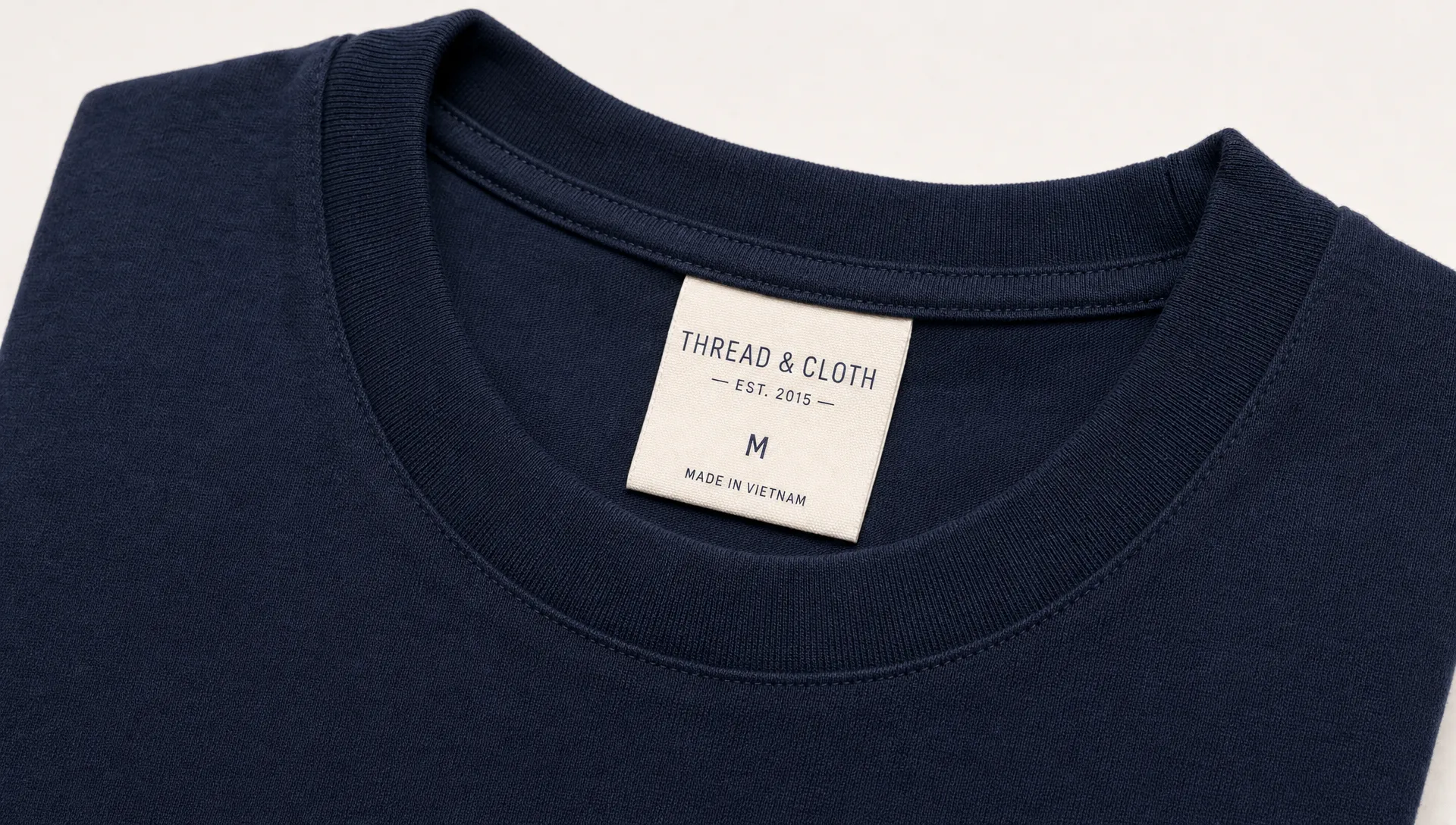
If your garment also requires fiber content, care instructions, or country-of-origin information, it is usually better to plan a separate care label rather than crowding your brand label. HiLabels offers care label options, which can help keep your main branding label clean while still supporting the practical information your product needs.
How woven labels support brand recognition after the sale
A custom woven label is a small brand asset with a long life. Packaging may be discarded, ads disappear, and social posts move down the feed, but the label remains attached to the item. That makes it one of the most efficient long-term brand reminders you can add to a garment.
This is especially useful for brands that rely on repeat purchases, word of mouth, wholesale accounts, pop-up shops, or social discovery. When a customer wears your product and someone asks where it came from, the label can help connect the garment back to your brand.
The same principle applies across the customer journey. Brand polish is cumulative. The thinking used by a growth marketing and innovation agency can apply here too: every customer touchpoint should reduce friction, build trust, and make the brand easier to remember. A woven label is one of those touchpoints, small but powerful.
Over time, consistent labels help your products feel like a collection rather than isolated pieces. That consistency can make your brand easier to recognize in photos, on retail shelves, in resale listings, and in customers’ closets.
Preparing your artwork before ordering
The quality of the final label starts with the artwork. Even a skilled weaving process depends on clear source files and realistic design choices.
Start by reviewing your logo at the actual label size. Print it on paper or view it on screen at scale. If the smallest text becomes hard to read, it will likely be difficult to weave cleanly. Remove details that do not contribute to recognition.
Next, decide what the label must accomplish. Is it purely for branding? Does it need a size marker? Will it be sewn into a neckline, side seam, sleeve, hem, pouch, or package? These decisions affect dimensions, fold, and application.
It also helps to prepare notes for production. Mention preferred colors, label orientation, fold style, placement, and any details that matter to your brand. If you are ordering labels with a logo for the first time, this guide on how to order woven labels with your own logo walks through the planning process in more detail.
Common mistakes that make labels look less professional
Most label problems come from trying to fit too much into too little space. A woven label is not a brochure. It does not need to tell the whole brand story at once.
Avoid these common issues when your goal is a polished brand look:
- Using text that is too small to read comfortably.
- Choosing low contrast colors that blur together.
- Adding decorative elements that compete with the logo.
- Selecting a label size before confirming garment placement.
- Forgetting how the label will feel against skin.
- Mixing too many label styles across one collection without a clear system.
Another mistake is treating labels as an afterthought. If you wait until the end of production, you may rush decisions that affect the final presentation. Plan your labels alongside trims, packaging, hang tags, and photography so the full brand experience feels cohesive.
Choosing a label partner for a polished result
A reliable label partner should make the process easier, not more confusing. Look for clear ordering steps, artwork upload options, customization choices, and support from people who understand how woven labels translate from screen to thread.
HiLabels brings more than 31 years of experience to custom woven labels, patches, ribbons, zipper pulls, and care labels. The online creation process lets brands choose details such as label type, application method, finish, size, colors, and design notes, while still offering personalized customer service when needed.
Superior craftsmanship also matters. Woven labels need clean edges, strong readability, durable threads, and consistent production quality. When your label is attached to every product you sell, it becomes part of your reputation.
Frequently Asked Questions
Are custom woven clothing labels better than printed labels? Woven labels are often chosen when brands want a textured, durable, premium-looking finish. Printed labels can work well for certain uses, especially when very detailed artwork or soft tagless applications are needed, but woven labels usually feel more substantial on apparel and accessories.
What size should my woven clothing label be? The best size depends on your logo, placement, and garment type. A neck label usually needs to be compact and readable, while hem labels, patches, or bag labels may have more room. Always test your artwork at the intended size before ordering.
Can I use my logo on a woven label? Yes. Most brands use their logo or wordmark as the main artwork. For the cleanest result, simplify small details, use strong contrast, and provide clear artwork files when placing your order.
Where should I place woven labels on clothing? Common placements include the neckline, waistband, side seam, sleeve, hem, and exterior patch locations. The right placement depends on whether you want the label to be discreet, visible, decorative, or purely functional.
Do I need a separate care label? Often, yes. If your garment needs care instructions, fiber content, size information, or compliance details, a separate care label can keep your main brand label clean and visually polished.
Give your garments a more polished finish
The right custom woven clothing label can make your product feel complete, professional, and memorable. It helps customers recognize your brand, reinforces quality, and turns a small sewn-in detail into a lasting part of the product experience.
If you are ready to create labels for your next collection, you can start with HiLabels’ custom woven clothing label configurator. Upload your artwork, choose your label details, and bring your brand’s finished look to life with durable woven craftsmanship.


